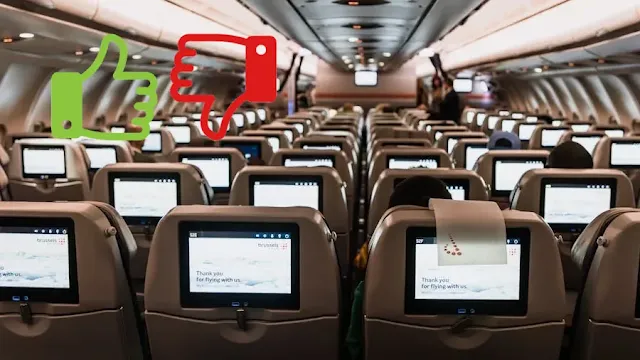
Airline Seat Selection Fees: Stop Falling for Greedy Tricks!

Do airlines charge for seat selection?

Last month, I booked a domestic IndiGo flight and was shocked to pay INR 800 extra just for a window seat. It felt like Indian airlines were squeezing every paisa out of passengers, and I was livid. It’s no secret that carriers like IndiGo, Air India, and others are getting greedier, slapping fees on basics like carry-ons and now seat selection. They lure you with low fares only to hit you with sneaky charges at checkout. This guide unmasks their deceptive tactics and equips you with strategies to outsmart these infuriating fees, so you can save money and avoid falling for their tricks on Indian domestic flights.

Last summer, I booked a flight and got hit with a $30 fee just to pick a window seat. It felt like airlines were nickel-and-diming me for every little thing, and I was furious. It’s no secret airlines are greedy, tacking on fees for basics like carry-ons and now seat selection. This guide exposes their sneaky tactics and shows you how to fight back against these infuriating charges.

What Are Seat Selection Fees?

Seat selection fees are a greedy ploy by airlines in India and the U.S., charging passengers to pick their seats in advance, especially in economy class. While U.S. airlines like Delta and United have dropped change or cancellation fees, seat fees are skyrocketing. In India, carriers like IndiGo and Air India charge INR 150–3,282 for preferred seats, using drip-pricing to advertise low fares before upselling at checkout. This infuriating tactic milks every last rupee or dollar from travelers. For insights on costly seats, see this Quora discussion.

Airline Seat Selection Fees on India Domestic Airlines

Indian domestic airlines have increasingly adopted seat selection fees, a frustrating tactic to boost revenue. Carriers like Air India, IndiGo, and SpiceJet charge for preferred seats, such as window, aisle, or extra-legroom options, with fees ranging from INR 100 to INR 3,282, depending on the seat type and route. Air India, for instance, charges INR 200 for window/aisle seats and up to INR 1,500 for emergency exit rows, while rear seats are often free. IndiGo starts at INR 150 for standard seats and INR 500 for extra-legroom options. Vistara offers free seat selection in business and premium economy but charges INR 500–1,000 for economy exit rows.

These fees, introduced widely after 2015 regulations relaxed, vary inconsistently, confusing passengers. Airlines justify this by claiming it allows lower base fares, but it feels like a greedy upsell, especially when free seats are available at check-in. To avoid fees, skip seat selection during booking, check in early online, or choose airlines like Vistara, which offer more free options. Social Media Posts highlight traveler frustration, with some accusing airlines like IndiGo of charging for previously free seats during web check-in, underscoring the need for savvy planning to dodge these costs.

How to Avoid Costly Seat Selection Fees

Don’t fall for the airlines’ tricks. Skip seat selection and let the airline assign you a seat at check-in for free. Alternatively, book with airlines that don’t charge for seats or use loyalty program status to waive fees. Timing matters—check in early to snag better seats without paying. Being flexible can save you from these greedy upcharges.

Airlines with Free or Low Seat Fees

Some airlines, like Southwest and JetBlue, often offer free seat selection, though policies vary. Others, like budget carriers, slap on hefty fees for even basic seats. Research airlines before booking to avoid getting fleeced. Choosing carriers with lower or no seat fees can keep your travel budget intact.

Choosing the Best Economy Seats

In economy class, seats near the front or exit rows offer perks like extra legroom or quicker exits, but they often come with higher fees or responsibilities. If you must pay, weigh the cost against the benefit. Otherwise, stick to free random assignments to avoid the airline’s greedy pricing games.

Frequently Asked Questions

What is a seat selection fee in flight?

A seat selection fee is an extra charge airlines impose to let passengers choose their seats in advance, often applied in economy class to boost profits.

Is it mandatory to pay for seat selection?

No, paying for seat selection is not mandatory. Passengers can skip it and get a randomly assigned seat at check-in, though preferred seats may cost extra.

Which airlines have free seating?

Airlines like Southwest and JetBlue often offer free seat selection, though policies vary. Check airline websites for current rules to avoid surprises.

What is free seating?

Free seating means passengers can choose their seats without extra charges, either during booking or at check-in, as offered by some airlines like Southwest.

Which seat is better in economy class?

In economy, seats near the front or exit rows offer more legroom or faster deplaning but often come with higher fees or responsibilities.

How can I avoid seat selection fees?

Avoid fees by skipping seat selection and accepting a random seat at check-in, flying airlines with free seating, or using loyalty program perks.

What are the best seats on a plane when flying economy?

Long-haul Economy Class Comparison Chart

Why Seat 11A Is the Luckiest Seat on a Plane After Air India Crash

Pros & Cons of Using a Hand Baggage vs. Checked Bag on India Flights

Cabin Baggage vs. Checked Bag on India Flights

Choosing between hand baggage and checked bags for flights within India can make or break your travel experience. On a recent trip from Delhi to Mumbai, I opted for just a carry-on to avoid the chaos of baggage claim. It was a breeze zipping through the airport, but I struggled to fit my souvenirs within the 7kg limit on the return leg. This guide breaks down the pros and cons of hand baggage versus checked bags on India flights, with insights into airline policies like Air India and practical tips to help you decide what’s best for your journey.

Pros and Cons of Hand Baggage

Hand baggage, or carry-on luggage, is stored in the cabin with you. Here’s a breakdown of its advantages and drawbacks:

Pros of Hand Baggage

  • Convenience: Access essentials like electronics or documents during the flight.
  • Time-Saving: Skip baggage claim and exit the airport faster.
  • Cost-Effective: Most airlines, including Air India, allow a carry-on (typically 7-8kg) at no extra cost.
  • Lower Risk: Keeping bags with you minimizes the chance of loss or damage, as discussed on Quora.

Cons of Hand Baggage

  • Size and Weight Limits: Strict rules (e.g., 55x35x25 cm, 7-8kg on Air India) limit what you can carry.
  • Security Restrictions: Liquids over 100ml and sharp objects are banned, complicating packing.
  • Limited Space: Overhead bins fill quickly, and you may be forced to gate-check your bag.

Pros and Cons of Checked Baggage

Checked baggage is stored in the aircraft’s cargo hold. Here’s what to consider:

Pros of Checked Baggage

  • More Space: Larger bags (up to 23kg on many airlines) accommodate clothes, gifts, or bulky items.
  • Less Hassle: No need to lug heavy bags through security or worry about overhead bin space.
  • Fewer Restrictions: Pack liquids, toiletries, or souvenirs without cabin restrictions, per Wikipedia.

Cons of Checked Baggage

  • Extra Fees: Budget airlines like IndiGo often charge for checked bags, increasing costs.
  • Time-Consuming: Waiting at baggage claim can delay your exit, especially at busy airports like Mumbai.
  • Risk of Loss: Bags may be delayed, lost, or damaged, a common concern on India flights.

Airline Policies for India Flights

Airlines in India, such as Air India, IndiGo, and SpiceJet, have specific baggage rules. Air India allows one carry-on (up to 8kg, 55x35x25 cm) and 20-23kg checked baggage on domestic flights, depending on the fare. IndiGo permits 7kg hand baggage and charges for checked bags (15kg base allowance). Always check airline policies, as enforcement of carry-on limits can be strict, especially with Air India. For details, visit airline websites or review India Baggage Rules.

Tips for Choosing Between Hand and Checked Bags

To make the best choice for your India flight, consider these tips:

  • Assess Your Trip: For short trips, a carry-on saves time and money. For longer trips, checked bags offer more space.
  • Check Airline Rules: Verify carry-on and checked baggage allowances on airlines like IndiGo to avoid fees.
  • Pack Smart: Keep valuables, electronics, and medications in your carry-on to avoid loss risks.
  • Use a Backpack: A backpack often qualifies as hand luggage, offering flexibility and comfort.
  • Plan for Security: Organize liquids (under 100ml) in a clear bag for quicker security checks.

Frequently Asked Questions

Is it better to fly with a carry-on or checked bag?

Carry-ons are better for short trips, offering convenience and cost savings. Checked bags suit longer trips or when carrying bulky items, but they may incur fees and delays.

Is it better to hand carry or check in baggage?

Hand carrying is ideal for quick travel and avoiding loss risks. Checking bags is better for larger loads or when you want fewer restrictions on liquids.

How strict is Air India with carry-on luggage?

Air India enforces a strict 8kg and 55x35x25 cm limit for carry-ons. Staff may weigh bags at check-in or the gate, so comply to avoid gate-checking.

What is the difference between cabin baggage and check-in baggage?

Cabin baggage (hand luggage) is stored in the overhead bin or under the seat, with strict size/weight limits. Check-in baggage goes in the cargo hold, allowing more space but with potential fees.

Is a backpack considered hand luggage?

Yes, a backpack is considered hand luggage if it meets airline size limits (e.g., 55x35x25 cm for Air India). Check specific airline rules before traveling.

Can You Check Bags to Your Final Destination on a Multi-City Flight?

How much worth of gifts can I bring to India

How much worth gifts can I take to India?
Gifts

Bringing gifts to India from an overseas trip is a heartfelt way to share your travels with loved ones. I’ll never forget my first trip back from Dubai, nervously approaching the customs counter at Delhi airport with a suitcase full of chocolates and perfumes, unsure if I’d exceeded the duty-free limit. To help you avoid such stress, this guide explains how much worth of gifts you can bring to India, including allowances for jewelry, personal items, and customs duties.

Duty-Free Allowance for Gifts

Indian customs regulations, outlined by the Central Board of Indirect Taxes and Customs (CBIC), allow travelers to bring goods, including gifts, up to a specified value without paying duties. As per the Baggage Rules, 2016, the duty-free allowances are:

  • Adults: Goods worth up to ₹50,000 (~$600 USD) for Indian residents returning after a trip abroad.
  • Children (up to 10 years): Goods worth up to ₹15,000 (~$180 USD).

These limits apply to personal items and gifts but exclude prohibited items like firearms or narcotics. According to Wikipedia’s customs duty page, such allowances prevent commercial imports under the guise of personal baggage.

Special Items and Duties

Jewelry and Precious Metals

Gold and silver jewelry can be included in the duty-free allowance, but excessive quantities may require declaration and attract duties. The India Baggage Rules note that male passengers can bring gold jewelry up to 20 grams (worth ₹50,000) and females up to 40 grams duty-free. Beyond this, duties apply at approximately 38.5%, as discussed in a Quora thread.

Alcohol and Tobacco

Travelers can bring 2 liters of alcoholic beverages and 100 cigarettes, 25 cigars, or 125g of tobacco duty-free, per the Delhi Airport customs guide. Excess quantities incur duties, typically 100-200% of the item’s value.

Duty-Free Alcohol on Connecting Flights in India

Electronics and High-Value Items

Items like laptops or cameras may exceed the duty-free limit if deemed beyond personal use. Duties on electronics can range from 28-45%, depending on the item. The Indian Embassy UAE guide recommends declaring high-value items to avoid penalties.

Tips for Packing Gifts

  1. Keep Receipts: Retain purchase receipts to prove the value of gifts, easing customs clearance.
  2. Limit Quantities: Avoid bringing large quantities of identical items (e.g., 20 watches), which may suggest commercial intent.
  3. Pack Accessibly: Place gifts in easily accessible parts of your luggage for potential customs inspections.
  4. Check Restrictions: Review prohibited items on the CBIC website to avoid confiscation.

Final Thoughts

Bringing gifts to India is straightforward with proper planning. Stick to the ₹50,000 duty-free limit, declare high-value items like jewelry, and keep receipts handy. Regularly check the Embassy of India or CBIC websites for updates to ensure a hassle-free customs experience. Happy gifting and safe travels!

Frequently Asked Questions

How much worth of gifts can I bring to India?

Indian residents can bring gifts worth up to ₹50,000 (~$600 USD) duty-free, while children up to 10 years have a ₹15,000 (~$180 USD) allowance, per CBIC rules.

How much worth of gifts can I take to India?

The same duty-free limits apply: ₹50,000 for adults and ₹15,000 for children under 10, covering gifts and personal items brought into India.

How much value can you bring back to India?

You can bring goods worth up to ₹50,000 duty-free as an adult, or ₹15,000 for children under 10, excluding prohibited items.

How much goods can I bring back to India?

Goods, including gifts, up to ₹50,000 for adults and ₹15,000 for children under 10 are duty-free. Quantities should reflect personal use.

What is the maximum amount to bring into India?

The maximum duty-free amount is ₹50,000 for adults and ₹15,000 for children under 10. Excess value incurs customs duties.

How much jewelry can I carry to India?

Males can bring 20 grams and females 40 grams of gold jewelry duty-free within the ₹50,000 limit. Excess jewelry faces a 38.5% duty.

What is the custom duty on personal items in India?

Personal items within the ₹50,000 limit are duty-free. Beyond this, duties range from 28-45% for electronics and 38.5% for gold jewelry.

What if My Luggage is 1 kg Overweight? How Much Does Excess Baggage Cost?

Overweight Luggage on India's Domestic Flights: What You Need to Know

Traveling across India's vibrant cities by air is both exciting and convenient, but luggage weight limits can catch travelers off guard. Imagine arriving at the airport for a flight from Delhi to Mumbai, only to discover your suitcase is 1 kg over the allowed limit. Last year, I faced this exact situation on an IndiGo flight, frantically repacking at the check-in counter to avoid a hefty fee. This guide explores what happens if your luggage is slightly overweight on domestic flights in India, how much 1 kg of excess baggage costs, and practical tips to manage it.

Understanding the Weight Issue

Most Indian airlines, such as Air India and IndiGo, set checked baggage limits at 15-20 kg for economy class on domestic flights. These rules ensure safety and efficiency in luggage handling. Exceeding the limit, even by 1 kg, can result in additional fees or the need to repack. According to Wikipedia's baggage allowance page, weight restrictions are strictly enforced to maintain aircraft balance and fuel efficiency.

Financial Implications

If your luggage is overweight, expect to pay excess baggage fees, which vary by airline and route. For instance, IndiGo charges approximately INR 400-500 per extra kilogram, while Air India may charge INR 250-500 per kg. A Reddit discussion highlights that fees can add up quickly, even for minor overages. Pre-booking extra baggage online is often cheaper than paying at the airport, where rates are higher.

Practical Tips and Solutions

Check Airline Policies Beforehand

Always review the baggage policy of your airline before packing. Websites like Vistara, SpiceJet, and Akasa Air provide detailed guidelines. For example, Air India Express and Alliance Air outline specific allowances and fees.

Weigh Your Luggage at Home

A digital luggage scale is a worthwhile investment. Weighing your bags at home allows you to adjust contents and avoid surprises at the airport. This simple step can save time and money.

Pre-book Extra Weight

If you anticipate exceeding the limit, pre-book extra baggage online. Airlines like IndiGo and Air India offer discounted rates for pre-purchased baggage allowances.

Repack or Reassess

If your luggage is slightly overweight, consider wearing heavier items like jackets or boots. Alternatively, redistribute items to your carry-on bag, ensuring it meets the airline’s size and weight limits (typically 7-10 kg).

Use Airport Facilities

Some airports offer repacking services or shops selling lightweight carry-on bags. If you’re over the limit, these facilities can help you reorganize your luggage to avoid fees.

Final Thoughts

Navigating overweight luggage on India’s domestic flights can be stress-free with preparation. By understanding airline policies, weighing your bags in advance, and exploring cost-saving options like pre-booking, you can avoid unexpected charges and enjoy a smoother travel experience. Whether flying with Star Air or another carrier, a little planning ensures your journey across India’s skies starts on the right note.

Frequently Asked Questions

What happens if my luggage is 1 kg overweight?

If your luggage is 1 kg over the limit, airlines typically charge an excess baggage fee, ranging from INR 250-500 per kg, depending on the carrier and route. Some may allow minor overages at their discretion, but this is rare.

Do airlines allow 1 kg overweight?

Most Indian airlines, like IndiGo and Air India, strictly enforce weight limits. A 1 kg overage usually incurs a fee, though staff may occasionally waive it for loyal customers or minor excesses. Check specific policies on airline websites.

How strict is checked baggage weight?

Checked baggage weight limits are strictly enforced to ensure aircraft safety and efficiency. Airlines use calibrated scales at check-in, and even small overages (e.g., 1-2 kg) often result in fees, as noted in a Quora discussion.

How much do I pay if my luggage is overweight?

Fees vary by airline. For example, IndiGo charges around INR 400-500 per kg, while Air India’s rates range from INR 250-500 per kg. Pre-booking extra baggage online can reduce costs compared to airport rates.

Are RC Toy Helicopters Banned in India? Understanding Regulations and Safety

Are RC Toy Helicopters Banned in India? A Guide for Hobbyists

Remote-controlled (RC) toy helicopters spark joy for hobbyists, letting you soar through the skies without leaving the ground. I still remember my first RC helicopter flight in a local park, the thrill of controlling its ascent marred only by my worry about whether it was legal in India. With regulations around drones and unmanned aerial vehicles (UAVs) tightening, many enthusiasts wonder: Are RC toy helicopters banned in India? This guide clarifies the legal status, safety considerations, and regulations for RC helicopters, toy drones, and planes.

Current Status of RC Toy Helicopters

RC toy helicopters are not banned in India and are widely available on platforms like Amazon India. Their availability suggests compliance with current regulations, allowing hobbyists to purchase and use them legally. However, as discussed on forums like RC India, import restrictions on certain RC devices may apply, particularly for advanced models with features like cameras.

Understanding the Regulatory Landscape

The Directorate General of Civil Aviation (DGCA) governs unmanned aerial vehicles in India under the Drone Rules, 2021. These rules primarily target drones and UAVs with advanced capabilities, such as cameras or commercial applications. RC toy helicopters, classified as nano drones (under 250 grams), are often exempt from strict regulations if flown below 15 meters and away from restricted areas like airports. According to Wikipedia’s UAV regulation page, nano drones face fewer restrictions globally, but local rules still apply. Hobbyists must check for updates, as regulations can evolve.

Safety Tips for RC Hobbyists

Know Where to Fly

Avoid flying RC toy helicopters near airports, government buildings, or crowded areas. The DGCA prohibits drone operations within 5 km of airports without permission. Open parks or private properties are safer choices.

Check Device Specifications

Ensure your RC helicopter is under 250 grams to qualify as a nano drone, exempt from registration. Models with cameras may face stricter scrutiny, as noted in a Quora discussion.

Stay Updated on Regulations

Regularly visit the DGCA website for the latest drone and RC device guidelines. Local authorities may impose additional restrictions, especially in sensitive areas.

Final Thoughts

RC toy helicopters remain legal in India, offering hobbyists a fun way to engage with aviation. By understanding DGCA regulations, choosing safe flying locations, and staying informed, you can enjoy your RC helicopter without legal hassles. Whether you’re a beginner or a seasoned enthusiast, a cautious approach ensures your hobby stays compliant and safe.

Frequently Asked Questions

Are RC toy helicopters banned in India?

No, RC toy helicopters are not banned in India. They are available for purchase on platforms like Amazon India, indicating compliance with regulations. However, certain import restrictions may apply.

Are toy drones banned in India?

Toy drones, especially nano drones under 250 grams, are not banned but must follow DGCA guidelines. They should be flown below 15 meters and away from restricted areas like airports.

Are RC planes illegal?

RC planes are not illegal in India, but they are subject to DGCA regulations. Nano-sized models (under 250 grams) face fewer restrictions, while larger or camera-equipped models may require permits.

Are RC helicopters safe?

RC helicopters are generally safe when operated responsibly in open areas, away from people and restricted zones. Always follow manufacturer guidelines and DGCA rules.

Are RC helicopters considered drones?

RC toy helicopters may be classified as nano drones if under 250 grams. They face lighter regulations compared to advanced drones with cameras or commercial uses.

Can I fly a toy drone?

Yes, you can fly a toy drone in India, provided it’s under 250 grams and flown in permitted areas like parks, away from airports and sensitive zones, per DGCA guidelines.

Is a toy helicopter a drone?

A toy helicopter may be considered a nano drone if it weighs less than 250 grams. It’s subject to DGCA rules but typically faces minimal restrictions for recreational use.

Carrying Baby Formula on Flights: Parent’s Guide

Can You Bring Formula on a Plane? A Stress-Free Guide for Traveling Table of Conte...