What Is Not Allowed to Bring in India? 7 Banned & Restricted Items 2026

Updated: April 21, 2026
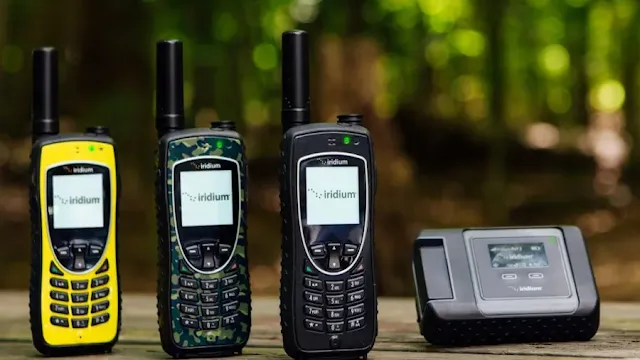
satellite phones
Quick Facts: What Is Not Allowed to Bring to India (2026)
  • Prohibited (never allowed): Narcotics, counterfeit currency, ivory, obscene material
  • Banned electronics: E-cigarettes, satellite phones (without permit), unregistered drones
  • Banned substances: CBD oil, cannabis products — even from legal countries
  • Restricted food: Fresh meat, dairy, fruits, vegetables, seeds
  • Alcohol limit: 2 litres duty-free (age 25+); dry states ban all alcohol
  • Weapons: Firearms, stun guns, pepper spray — require Arms Act licence
  • Penalty: Confiscation + fine up to 5× duty evaded + possible arrest
  • Authority: CBIC, BCAS, DGCA, Ministry of Home Affairs

Absolutely Prohibited Items in India

Some items are completely banned from import into India — no licence, permit, or duty payment can legalise them. If found at customs, they will be confiscated and you may face criminal prosecution under the Customs Act, 1962.

Zero Tolerance: Customs officers at Delhi, Mumbai, Chennai, and Kolkata airports use X-ray scanners, sniffer dogs, and random physical checks. Attempting to conceal prohibited items is treated as a serious criminal offence — not a misunderstanding.
CategoryExamplesPenalty
Narcotics & drugsHeroin, cocaine, cannabis, opiumNDPS Act — 10yr+ imprisonment
Counterfeit currencyFake INR or foreign notesCriminal prosecution
Obscene materialPornographic books, films (especially involving minors)IPC Section 292
Wildlife products (CITES banned)Ivory, shahtoosh, tiger skinsWildlife Protection Act
Counterfeit goodsFake branded products, pirated mediaIPR laws + Customs Act
E-cigarettes/vapesAll ENDS devices, e-liquidsPECA 2019 — fine + imprisonment
Certain chemicalsWeapon precursor chemicalsChemical Weapons Convention Act

Narcotics & Cannabis Products — Strictly Prohibited

India has zero tolerance for narcotics under the Narcotic Drugs and Psychotropic Substances (NDPS) Act, 1985. This includes not just illegal drugs but also many substances that are legal or medically permitted in other countries.

CBD Oil & Medical Cannabis: CBD oil, THC products, medical marijuana, and any cannabis-derived products are completely illegal in India — even if they are legally prescribed in your home country. Indian law does not recognise foreign medical exemptions for cannabis. Penalties under the NDPS Act include minimum 10 years imprisonment for commercial quantities.

If you are on prescription opioid painkillers, benzodiazepines, or other controlled substances, carry your original prescription, keep medications in original labeled packaging, and bring only the quantity needed for your trip. When in doubt, contact the Indian embassy before travel.

Wildlife & Animal Products — CITES Restrictions

India is a CITES signatory. Importing any product derived from protected wildlife — dead or alive — is subject to strict controls and is often completely prohibited.

Commonly Seized Items: Ivory products (including antiques), shahtoosh shawls (Tibetan antelope), tiger/leopard skin products, sea turtle shells, certain coral products, and taxidermied protected animals are all seized at Indian customs — regardless of where they were purchased or how old they are.

For importing live animals (pets), see our detailed guide: Importing Pets to India: 8 Must-Know Rules. All wildlife imports are regulated by the Ministry of Environment, Forest & Climate Change.

Weapons & Self-Defence Items

Bringing firearms, ammunition, or any items classified as weapons into India without the appropriate licence under the Arms Act, 1959 is a serious criminal offence.

Commonly Confiscated: Pepper spray and mace (classified as weapons), stun guns and tasers, certain folding/flick knives, realistic toy guns, and crossbows are frequently taken from travelers who didn't realise they were restricted in India.
ItemStatus in IndiaRequired Permission
Handguns / riflesRestrictedArms Act licence + MHA NOC
Air gunsRestrictedArms Act licence in most states
Pepper spray / maceRestricted / ProhibitedArms Act licence required
Stun guns / tasersProhibited without licenceArms Act licence required
KnuckledustersProhibitedNot permitted
Sporting firearmsRestrictedMHA NOC + sports federation cert

Always check the BCAS prohibited items list before packing anything that could be classified as a weapon.

Restricted Electronics — Need Prior Permission

DeviceStatusPermission Needed
Satellite phonesRestrictedDept of Telecommunications (DoT) permit
Drones / UAVsRestrictedDGCA import clearance + Digital Sky registration
Walkie-talkies / radio transmittersRestrictedWireless Planning & Coordination Wing licence
Night vision devicesRestricted / ProhibitedMHA permission — generally denied to civilians
Signal jammersProhibitedNot permitted under any circumstances
GPS trackersGenerally allowedDeclare if total value exceeds ₹75,000
Standard laptops/phones/camerasAllowedDeclare if total value exceeds ₹75,000
Drone Travelers: Apply for DGCA import clearance and Digital Sky registration at least 4–6 weeks before travel. Tourists caught flying unregistered drones face fines up to ₹25,000 and confiscation of the drone.

E-Cigarettes & Vapes — Completely Banned in India

India banned all Electronic Nicotine Delivery Systems (ENDS) under the Prohibition of Electronic Cigarettes Act (PECA), 2019. This covers e-cigarettes, vapes, e-cigars, e-pipes, e-hookahs, and any similar device or e-liquid refill.

No Exceptions: E-cigarettes are banned for import, sale, distribution, advertisement, and use in India. First-time offence: imprisonment up to 1 year and/or fine up to ₹1,00,000. Repeat offence: imprisonment up to 3 years and/or fine up to ₹5,00,000. Do not attempt to bring vapes to India.

Food & Agricultural Products — Restricted Items

Generally Allowed (personal quantities)
Restricted or Prohibited
  • Fresh fruits and vegetables
  • Fresh, frozen, or dried meat and poultry
  • Dairy products (milk, cheese, butter)
  • Seeds and live plants (need phytosanitary cert)
  • Soil, compost, or earth of any kind
  • Certain nuts and dried fruits (case by case)
Always Declare Food: Even commercially packaged food should be declared if you are carrying large quantities. Indian customs officers have discretion to inspect and confiscate food items that appear commercial in quantity. See: What Should Be Declared at Indian Customs?

Currency Restrictions

Foreign nationals cannot bring Indian Rupees (INR) into India. Indian residents can bring up to ₹25,000. Foreign currency cash above USD 5,000 must be declared. See the full rules in our FAQs on India Baggage Rules.

Items Not Allowed in Cabin Baggage on Indian Flights

Beyond customs restrictions, BCAS enforces specific rules on what cannot be carried in cabin baggage on Indian flights:

  1. Sharp objects: Scissors (blades >6cm), knives, razors, box cutters, swords
  2. Liquids over 100ml — unless duty-free in sealed bags (international) or medical
  3. Flammable items: Lighters (1 allowed in pocket), matches, fuel
  4. Firearms and ammunition — even licensed ones must go in checked baggage with airline approval
  5. Explosive-like items: Realistic toy guns, flare guns, starter pistols
  6. Self-defence items: Pepper spray, stun guns, batons
  7. Sports equipment: Baseball bats, cricket bats, golf clubs — must be checked in

Full details: Airport Security in India: 10 Items You Must Remove.

Prohibited vs Restricted — Quick Reference

ItemStatusAction Required
Narcotics / CBD oilProhibitedNever bring — criminal offence
E-cigarettes / vapesProhibited (PECA 2019)Never bring — banned in India
Ivory / wildlife productsProhibitedNever bring — CITES violation
Counterfeit goodsProhibitedNever bring — confiscation + fine
Satellite phonesRestrictedGet DoT permit before travel
DronesRestrictedGet DGCA clearance + register
FirearmsRestrictedArms Act licence + MHA NOC
Prescription controlled medsRestrictedCarry original prescription
Fresh meat / dairy / produceRestrictedDeclare at customs; may be seized
Gold above limitsDutiableDeclare + pay ~14.07% duty
Alcohol above 2 litresDutiableDeclare + pay 150% BCD

Pro Tips: What Not to Bring to India

  • Never bring e-cigarettes or vapes to India. The ban is absolute — no exceptions for tourists, medical users, or diplomatic travelers. Leave them at home or dispose before your flight.
  • Leave CBD oil behind even if prescribed. India's NDPS Act does not recognise foreign medical exemptions for cannabis-derived products. Even trace amounts in supplements can trigger testing and prosecution.
  • Check CITES before buying souvenirs abroad. Ivory carvings, coral jewellery, certain feathers, and exotic animal products that appear legal to buy in some countries may be seized when you arrive in India.
  • Declare all medicines — especially controlled substances. Carry original prescriptions and keep medicines in labeled original packaging. A doctor's letter explaining medical necessity helps for specialist medications.
  • Never carry packages for others without knowing the contents. You are legally responsible for everything in your baggage. Saying "I didn't know" is not a defence under the Customs Act.
  • Research drone rules 4–6 weeks in advance. DGCA import clearance and Digital Sky registration take time. Without these, your drone will be confiscated at the airport.
  • Fresh food is the most commonly misunderstood restriction. Even items like homemade cheese, cured meats, or fresh herbs can be seized. Stick to commercially sealed, packaged items in personal quantities.
  • Use the Red Channel proactively if in doubt. Customs officers treat voluntary declarants far more favourably. If you're not sure whether something is allowed, declare it and let the officer decide. See: What Should Be Declared at Indian Customs?

Related Articles

Frequently Asked Questions

What is not allowed to bring to India?

Narcotics, CBD oil, counterfeit currency, ivory and wildlife products (CITES), e-cigarettes/vapes, obscene material, counterfeit goods, satellite phones without permits, and unregistered drones are either prohibited or restricted in India.

Can I bring food items to India from abroad?

Commercially sealed packaged food in personal quantities is generally allowed. Fresh fruits, vegetables, meat, dairy, and seeds are restricted. Always declare food items at Indian customs.

Is CBD oil allowed in India?

No. CBD oil and all cannabis-derived products are completely prohibited in India under the NDPS Act, 1985 — even if legally prescribed in your home country.

Can I bring a drone to India?

Drones are restricted. You need DGCA import clearance and Digital Sky registration before operating a drone in India. Apply at least 4–6 weeks before travel.

Are e-cigarettes allowed in India?

No. E-cigarettes and all ENDS devices are completely banned in India under the Prohibition of Electronic Cigarettes Act, 2019. Penalties include fines and imprisonment.

Can I bring prescription medicine to India?

Yes. Prescription medicines for personal use are allowed in original packaging with a valid prescription. Controlled substances require special documentation. Carry only enough for your stay.

What electronic items are not allowed in India?

Satellite phones (require DoT permit), drones (require DGCA clearance), walkie-talkies (require WPC licence), signal jammers (prohibited), and night vision devices (generally prohibited for civilians) are restricted or banned.

Can I bring alcohol to India?

Yes, up to 2 litres duty-free for passengers aged 25+. Alcohol above this limit attracts very high customs duty (150% BCD for spirits). Alcohol is completely banned in dry states like Gujarat and Bihar.

©2010–2026 Indiabaggagerules.com — All rights reserved.

Why Is Chilli Powder Not Allowed on Flights? Spice Travel Guide 2026

Updated: April 20, 2026
Quick Facts: Chilli Powder & Spices on India Flights 2026
  • Chilli powder in cabin bag: Allowed in sealed packaging under 350ml — may be questioned
  • Chilli powder in checked bag: ✅ Allowed — seal tightly in zip-lock bags
  • Why it gets flagged: Appears like explosive material on X-ray; can be used as irritant
  • Turmeric in cabin bag: Allowed under 350ml in sealed packaging
  • All commercially sealed spices: ✅ Permitted in checked baggage
  • International travel: Destination customs may restrict spice imports — check before flying
  • Best practice: Original sealed commercial packaging + zip-lock bag always
  • Authority: BCAS, CISF (security discretion applies for powders)

Why Chilli Powder Gets Flagged at Airport Security

Chilli powder is not listed as a banned item under BCAS or CISF regulations, but it consistently causes issues at Indian airport security for two reasons:

  1. X-ray appearance: Dense, opaque powders like chilli, turmeric, and cumin appear similarly to explosive precursors on airport X-ray screens — the same type of dense orange/red mass that triggers secondary screening alerts
  2. Potential as an irritant weapon: Capsaicin (the active compound in chilli) causes intense eye and respiratory irritation. Security protocols flag it as a potential incapacitating agent if released in a confined aircraft cabin
  3. CISF officer discretion: Under BCAS rules, security officers can question or confiscate any item they consider suspicious — including powders — regardless of whether it is technically prohibited
It's Not Banned — It's Flagged. The distinction matters: chilli powder is not on any prohibited items list. The issue is that CISF officers have broad discretion over powders, and chilli powder commonly triggers secondary inspection. The solution is correct packaging and being prepared to open and explain the contents calmly.

Chilli Powder in Cabin Baggage

BCAS Powder Rule: In 2018, international aviation security guidelines established that powders above 350ml (12oz) in cabin baggage require additional screening. Indian airports follow this guidance. CISF officers have full discretion to confiscate any powder they consider a security risk, regardless of quantity.
QuantityCabin Bag StatusWhat to Expect
Under 100ml (small packet)✅ Generally acceptedMay be briefly examined at X-ray
100–350ml (medium container)✅ Generally acceptedMay be opened and visually inspected
Above 350ml (large quantity)⚠️ May be confiscatedCISF officer discretion — risk of confiscation
Any quantity, home-packed/unlabeled⚠️ High riskUnlabeled powders face maximum scrutiny
Tip: If carrying chilli powder in your cabin bag, keep it in the original commercial packaging with the brand name and ingredients clearly visible. A clearly labeled "MDH Deggi Mirch Chilli Powder" packet draws far less attention than an unlabeled zip-lock of red powder.

Chilli Powder in Checked Baggage

Checked baggage is always the safer option for chilli powder and all large-quantity spices. There are no specific restrictions on carrying commercially packaged chilli powder in checked baggage on Indian domestic or international flights. Personal use quantities are unrestricted.
  1. Place chilli powder in its original sealed commercial packaging
  2. Wrap the packet in a zip-lock bag (primary containment)
  3. Place that inside a second zip-lock bag (secondary containment)
  4. Pack the double-bagged spice in the center of your suitcase surrounded by clothing
  5. If the packet can be sealed further (rubber band, tape), do so — airline handling is rough
A burst chilli powder packet in your suitcase is a travel nightmare. The fine powder permeates clothing, electronics, and documents. Double-bagging is not optional — it is essential. Dedicated spice travel tins or airtight containers provide the best protection.

Spices by Type — What Gets Questioned Most

SpiceX-ray AppearanceCabin Bag RiskChecked Bag
Chilli powder (red/deggi mirch)Dense red mass⚠️ Frequently questioned✅ Fine in sealed packaging
Turmeric powderBright orange mass⚠️ Often inspected✅ Fine in sealed packaging
Cumin powder (jeera)Dark dense mass⚠️ Sometimes questioned✅ Fine
Coriander powder (dhania)Light beige✅ Rarely an issue✅ Fine
Garam masala (mixed)Mixed brown mass✅ Rarely an issue✅ Fine
Cardamom pods (whole)Small distinct pods✅ No issues✅ Fine
Cinnamon sticks (whole)Clearly stick-shaped✅ No issues✅ Fine
SaffronThin red threads✅ No issues✅ Fine (keep receipt)
Whole vs Ground: Whole spices (cardamom, peppercorns, cinnamon sticks, cloves) are clearly identifiable on X-ray and almost never cause issues. Ground powders are the ones that trigger secondary screening because their X-ray appearance is ambiguous. When in doubt, pack powdered spices in checked baggage.

International Travel — Destination Customs Rules for Spices

Clearing Indian airport security is only half the challenge. Many countries have strict biosecurity regulations on plant-based products including dried spices. Destination customs (not just security) may confiscate spices on arrival even if you cleared India security with them.
DestinationSpice Import RulesWhat to Do
USA (USDA/CBP)Commercially sealed spices generally allowed; whole seeds may be restrictedDeclare on customs form; keep receipts
Australia (DAFF)Strict — whole spices and seeds often prohibited; processed/sealed spices may passCheck DAFF biosecurity website; declare all
UK/EUCommercially sealed spices generally allowed; declare for quantities suggesting commercial importUse original factory packaging; declare at customs
UAE/Gulf statesGenerally permissive for personal spice quantitiesNo special action for personal quantities
Canada (CFIA)Most dried commercially packaged spices allowed; check CFIA for restricted itemsDeclare on CBSA customs card; keep receipts

How to Pack Spices for Indian Flights

  1. Always use original commercial packaging — brand name, ingredient list, and barcode clearly visible reduces X-ray scrutiny
  2. Double-bag all powders in zip-lock bags — both for cabin and checked baggage; prevents contamination if packaging fails
  3. Pack large quantities in checked baggage — above 350ml, always check; saves cabin bag X-ray delays
  4. Use airtight spice tins for long trips — metal tins with rubber seals provide better protection than bags during rough handling
  5. Carry purchase receipts for premium spices — saffron and other expensive spices may attract customs attention; receipts prove legitimate personal purchase
  6. Declare at destination customs — proactive declaration of spices at international customs is always safer than being stopped at the Green Channel

Cabin vs Checked — Spice Quick Reference

Spice TypeCabin Bag (under 350ml)Cabin Bag (above 350ml)Checked Bag
Chilli powder (sealed commercial)✅ Generally OK⚠️ Officer discretion✅ Fine (double bag)
Turmeric powder (sealed)✅ Generally OK⚠️ Officer discretion✅ Fine (double bag)
Mixed masala (sealed)✅ Generally OK⚠️ Officer discretion✅ Fine
Whole spices (cardamom, etc.)✅ No issues✅ Generally fine✅ Fine
Loose unlabeled powder (any)❌ High risk❌ Likely confiscated⚠️ Not recommended

Pro Tips: Spices and Chilli Powder on Indian Flights

  • Pack powdered spices in checked baggage whenever possible. Even if small quantities are allowed in cabin bags, the time cost of secondary screening at CISF security — opening bags, inspecting powders, re-packing — is rarely worth the convenience. A quick decision to put spices in checked baggage saves 5–15 minutes at security.
  • Use branded commercial packaging, not home-filled containers. A clearly labeled "Everest Chilli Powder" or "MDH Turmeric" packet is immediately recognized. An unlabeled zip-lock bag of the same powder creates maximum suspicion and will almost certainly trigger secondary screening and possible confiscation.
  • Double or triple bag powdered spices in checked baggage. A single burst spice packet will ruin a suitcase — fine red or orange powder permeates everything. Two zip-lock bags is minimum; a dedicated airtight spice tin is ideal for anything above 100g.
  • Keep your cabin bag spices accessible, not buried. If CISF asks to inspect your spice packets at the X-ray checkpoint, you'll need to retrieve them quickly. Pack cabin bag spices in an easy-access outer pocket rather than deep inside your main compartment.
  • Be calm and cooperative at security inspections. If CISF stops you for a spice inspection, calmly open the packet, identify the contents clearly, and allow the officer to inspect. Frustration or resistance will always make the situation worse. Most inspections take under 2 minutes when the traveler is cooperative.
  • For Australia and other strict biosecurity countries, check online before packing. Australia's DAFF (Department of Agriculture) has a searchable biosecurity import conditions database at the official website. Check your specific spice before every trip to Australia — rules change and enforcement is strict with heavy fines for undeclared biosecurity items.
  • Whole spices travel better than powders — consider grinding at destination. Whole cardamom, cinnamon sticks, whole peppercorns, and cloves pass through security easily (clearly identifiable on X-ray) and can be ground at your destination. Many traditional spice blends can be approximated with whole spices ground fresh.
  • Carry a small note in English and Hindi identifying your spices. For premium or unusual spices that security officers may not recognize, a simple note reading "Hing / Asafoetida — culinary spice, non-hazardous" can save time during inspection and shows you are a prepared, honest traveler.

Related Articles

Official External Resources

Frequently Asked Questions

Why is chilli powder not allowed on flights in India?

Chilli powder is not banned — it gets flagged because it appears as dense opaque matter on X-ray screens similar to explosive material, and capsaicin can act as an irritant weapon. CISF security officers have discretion over all powders. Use original sealed commercial packaging and be prepared to open and explain at secondary screening.

Can I carry chilli powder in checked baggage on Indian flights?

Yes. Chilli powder in sealed commercial packaging is permitted in checked baggage with no specific quantity limit for personal use. Double-bag in zip-lock bags to prevent leakage and contamination of your other luggage.

Can I carry chilli powder in cabin baggage on Indian flights?

In small quantities (under 350ml) in sealed original commercial packaging — generally yes, but CISF officers may inspect it. Above 350ml, security officers have discretion to confiscate it. Checked baggage is always safer for large spice quantities.

Can I take turmeric powder on a plane?

Yes. Turmeric in sealed original packaging in cabin bag under 350ml is generally fine — it may be briefly inspected as it appears bright orange on X-ray. Pack in zip-lock bags to prevent staining. Large quantities should go in checked baggage.

Which spices are allowed on Indian domestic flights?

All commercially sealed spices are permitted in checked baggage. In cabin baggage, whole spices (cardamom, cinnamon, peppercorns) are unrestricted. Ground powders under 350ml in sealed original packaging are generally accepted. Use branded commercial packaging — unlabeled powders face maximum scrutiny.

Are there restrictions on carrying spices internationally from India?

Yes — destination country customs (especially Australia, USA, Canada) may restrict spice imports. Commercially sealed factory-packaged spices generally clear customs. Loose or home-packaged spices may be confiscated. Always declare spices on the customs form at your destination country.

How should I pack spices for a flight from India?

Use original sealed commercial packaging, double-bag in zip-lock bags, pack large quantities in checked baggage, keep quantities under 350ml per container for cabin bag, carry receipts for premium spices like saffron, and declare at destination country customs for international flights.

Can I carry saffron on a flight from India?

Yes. Small personal quantities of saffron in original sealed packaging are permitted in cabin and checked baggage on Indian domestic and international flights. Keep the purchase receipt. Some countries have import quantity limits on saffron — check destination country customs rules before travel.

©2010–2026 Indiabaggagerules.com — All rights reserved.

India Customs Documentation: A Complete Guide for Travelers 2026

Updated: April 20, 2026
Quick Facts: India Customs Documentation for Travelers (2026)
  • Arrival card: Mostly digital now — Air Suvidha/e-forms; some airports still use paper
  • Currency declaration (CDF): Required if carrying USD 5,000+ cash or USD 10,000+ total foreign exchange
  • Duty-free limit: ₹75,000 general allowance per adult (Feb 2, 2026)
  • Gold declaration: Above 20g (men) / 40g (women) — declare at Red Channel
  • eVisa documents: Passport + eVisa approval print + passport photo + return ticket
  • NRI/TR documents: Passport + TR form + inventory list + proof of foreign residence
  • Medicines: Prescription letter recommended; NDPS medicines need advance NCB permission
  • Authority: CBIC, Ministry of Home Affairs, Ministry of Health, RBI (for currency)

Essential Paperwork: Understanding What India Customs Requires

Quick Facts: India Customs Documentation for Travelers 2026
  • Arrival card: Mostly digital now — some airports still use paper forms
  • Currency declaration (CDF): Required if carrying USD 5,000+ cash or USD 10,000+ total foreign exchange
  • Duty-free limit: ₹75,000 general allowance per adult (effective Feb 2, 2026)
  • Gold above limits: Declare at Red Channel — 20g men / 40g women duty-free
  • e-Visa documents: Passport + approval print + passport photo + return ticket
  • NRI/TR documents: Passport + TR form + detailed inventory + proof of foreign residence
  • Controlled medicines: NCB/MoH advance permission required for NDPS substances
  • Authority: CBIC, Ministry of Home Affairs, RBI (currency), Ministry of Health (medicines)

Documents Needed on Arrival at Indian Customs

When you arrive at an Indian international airport and approach customs, the documents you need depend on what you are carrying and your passenger category:

  1. All passengers: Valid passport with valid Indian visa, OCI/PIO card, or e-Visa approval print
  2. Passengers with currency above thresholds: Completed Currency Declaration Form (CDF)
  3. Passengers with dutiable goods: Customs declaration form + receipts for goods
  4. NRIs claiming TR: TR form + inventory list + residence proof (see NRI section)
  5. Passengers with controlled medicines: Prescription + NCB/MoH permission (if NDPS)
  6. Passengers with controlled items (firearms, endangered species products): Valid import permits
Green Channel vs Red Channel: If you have nothing to declare and your goods are within the ₹75,000 duty-free limit, use the Green Channel — no forms needed. If you have anything above limits, controlled items, or are uncertain, use the Red Channel and declare proactively. Being caught at the Green Channel with undeclared dutiable goods attracts penalties up to 5× the duty payable.

The Customs Declaration Form

Digital Declaration: India's customs system is moving toward digital declaration. The AirSewa app (Ministry of Civil Aviation) and the CBIC customs portal allow pre-declaration before arrival at major airports (Delhi, Mumbai, Bengaluru, Hyderabad, Chennai). Pre-declaring saves time at the Red Channel. Paper forms remain available at all airports for passengers without smartphones or internet access.
What to DeclareWhere to DeclareDocuments Needed
Foreign currency above USD 5,000 cashRed Channel — CDF formCompleted CDF form
Goods above ₹75,000 duty-free limitRed Channel — Customs declarationReceipts/invoices for goods
Gold above duty-free limitsRed ChannelPurchase receipts, passport
Controlled medicines (NDPS)Red ChannelNCB/MoH permission + prescription
Firearms and ammunitionRed ChannelValid import license
Commercial goodsRed ChannelCommercial invoice + import documents

Currency Declaration Form (CDF)

Declare currency above these thresholds — failure to declare can result in confiscation plus penalties up to 5× the amount under FEMA:
  • Foreign currency cash above USD 5,000 equivalent per person
  • Total foreign exchange (cash + traveller's cheques + demand drafts) above USD 10,000 equivalent per person
  • Indian Rupees above ₹25,000 (for residents returning) or ₹10,000 (for non-residents)
  1. Collect a CDF form on arrival at the airport (before customs hall)
  2. Complete the form: passenger details, currency denomination, amount, purpose
  3. Proceed to Red Channel
  4. Present CDF to customs officer along with the currency for verification
  5. Customs officer stamps the CDF — keep the stamped copy
  6. The stamped CDF may be needed at currency exchange counters and on departure

NRI and Transfer of Residence Documents

DocumentPurposeWhere to Get
Passport with visa stampsProve 2+ years continuous residence abroadYour existing passport
TR declaration formClaim TR concession at Indian customsAvailable at Indian customs hall on arrival
Detailed inventory listCustoms assessment of household goodsSelf-prepared — list every item with value
Proof of foreign residenceConfirm domicile abroadUtility bills, bank statements, employer letter
Air waybill / Bill of LadingTrack separately shipped goodsIssued by shipping/freight company
Aadhaar / PANKYC for customs clearanceExisting Indian documents
TR Concession: NRIs who have resided abroad for 2+ continuous years and are returning permanently to India can import used personal and household effects duty-free up to ₹7.5 lakh. This is 10× the standard ₹75,000 allowance. All items must be genuinely used — not new goods purchased for import.

Full guide: Returning NRI Checklist 2026: Baggage Rules, Gold, TR Concession & Customs Guide

e-Visa Documents for India

  1. Apply online at indianvisaonline.gov.in at least 4 days before travel
  2. Pay the e-Visa fee online by credit/debit card
  3. Receive approval email — print the e-Visa approval letter
  4. On arrival: present passport, printed e-Visa approval, passport photo, return/onward ticket
  5. e-Visa is electronically linked to your passport — the print is a backup document
  6. e-Visa holders must arrive at one of India's designated e-Visa airports

Carrying Electronics Through Indian Customs

Electronics ScenarioAction RequiredDocuments
Personal laptop (one)No action — always duty-freeNone needed
Electronics within ₹75,000 totalGreen Channel — no declarationReceipts helpful but not required
Electronics above ₹75,000 totalRed Channel — declare and pay duty on excessPurchase receipts (reduces duty base)
Professional broadcast/film equipmentAdvance planning — may need Carnet ATACarnet ATA document or import permit
Second-hand personal electronicsGreen Channel if within ₹75,000Proof of prior ownership helpful

Medicine Documentation for Indian Customs

NDPS-classified medicines (narcotics, psychotropics) require advance permission from India's Narcotics Control Bureau or Ministry of Health before arrival. Arriving with NDPS medicines without proper documentation is a serious offence under the Narcotics Drugs and Psychotropic Substances Act 1985. Apply at least 6–8 weeks before travel.
Medicine TypeDocuments NeededWhere to Get
Standard prescription medicinesPrescription copy + doctor's letter (recommended)Your prescribing physician
Injectable medicinesDoctor's letter on letterhead + prescriptionYour physician/specialist
NDPS controlled substancesNCB/MoH advance written permission + original prescriptionApply to India's NCB 6–8 weeks ahead
Psychotropic medicinesMinistry of Health permission + prescriptionApply through Indian embassy 6–8 weeks ahead

Full details: Travelling with Medicines to India: Your Ultimate Guide 2026

Documents for International Departure from India

  1. Passport with minimum 6 months validity beyond travel dates (recommended by most countries)
  2. Valid destination visa or proof of visa-on-arrival eligibility
  3. Confirmed return or onward ticket — airlines may deny boarding without this
  4. Stamped CDF if you declared currency on arrival and are taking it back out
  5. Export certificate for antiques, artwork, or wildlife products being taken out of India
  6. Health/vaccination certificates if required by destination country (e.g., yellow fever for some African countries)

Red Channel vs Green Channel — When to Use Each

SituationUse Green ChannelUse Red Channel
CurrencyBelow USD 5,000 cash / USD 10,000 totalAbove USD 5,000 cash / USD 10,000 total
Goods valueWithin ₹75,000 totalAbove ₹75,000 total
GoldWithin 20g (men) / 40g (women)Above duty-free gold limits
MedicinesStandard personal prescriptionsNDPS controlled substances
Uncertain about anythingAlways — declaration protects you

Pro Tips: India Customs Documentation

  • Photograph all your documents before departure. Store photos of your passport, visa, e-Visa approval, CDF (if applicable), and medicine prescriptions on cloud storage. If originals are lost during travel, digital copies are accepted as supporting evidence at Indian customs and can be printed at airport business centres.
  • Download the AirSewa app before your India flight. The official Ministry of Civil Aviation app allows digital customs pre-declaration, flight status tracking, airport service requests, and complaint filing. Pre-declaring dutiable goods digitally before you land can significantly speed up your Red Channel process.
  • Keep the stamped CDF for the duration of your India stay. A stamped Currency Declaration Form is your proof that you legitimately brought the currency into India. Money changers and banks may ask for it when exchanging large amounts. You may need it when taking currency out of India on departure.
  • Carry receipts for expensive items purchased abroad. Purchase receipts serve two purposes: (1) They prove the actual purchase price if customs assesses duty on goods above ₹75,000, potentially reducing the taxable value below the Indian market value officers would otherwise use. (2) They prove legal ownership if questioned.
  • NRIs: prepare your inventory list months in advance. A detailed, accurate inventory of every household item you are shipping to India is the single most important document for smooth TR customs clearance. Vague inventories ("miscellaneous household goods") are flagged for full physical inspection. Specific inventories ("1x Samsung 65-inch LED TV, model QN65, purchased 2023, value ₹80,000") clear faster.
  • For NDPS medicines: start the NCB permission process 8 weeks before travel. The process of obtaining written permission to import narcotic or psychotropic medicines into India (tramadol, diazepam, codeine above OTC limits, etc.) takes time. Starting less than 6 weeks before travel risks not receiving permission in time. Contact the Indian embassy in your country first for guidance on the correct application process.
  • Always use the Red Channel when in doubt. The consequence of voluntary Red Channel declaration is paying whatever duty applies — straightforward. The consequence of being caught at the Green Channel with undeclared dutiable goods is confiscation plus penalties up to 5× the duty payable, plus a formal record that can affect future travel. The asymmetry strongly favours declaring.
  • For e-Visa arrivals, have the approval letter accessible on your phone and in print. While the e-Visa is electronically linked to your passport, immigration officers appreciate having the physical approval letter for reference. It also helps if there are any technical issues with the electronic system at the airport.

Related Articles

Official External Resources

Frequently Asked Questions

What documents do I need at Indian customs on arrival?

Valid passport with Indian visa/OCI/e-Visa approval. Currency Declaration Form (CDF) if carrying USD 5,000+ cash or USD 10,000+ total foreign exchange. Customs declaration form and receipts if goods exceed ₹75,000 duty-free limit. Import permits for controlled items. Standard personal effects within limits need no documentation.

What is the Indian customs declaration form?

A form declaring dutiable goods, currency above thresholds, and controlled items to the Red Channel customs officer on arrival. Available as paper at all airports and digitally via the AirSewa app. Required when goods exceed ₹75,000, currency exceeds USD 5,000 cash, or you carry controlled items like gold above limits or NDPS medicines.

Do I need to fill an arrival card for India in 2026?

India has largely replaced paper Disembarkation Cards with digital systems. Most passengers no longer fill a separate arrival card. Currency and customs declarations are the main forms still required — and only if your currency or goods exceed duty-free thresholds. Check your airline's guidance as some airports still distribute paper forms.

What documents do NRIs need when returning to India permanently?

Passport with proof of 2+ years abroad, TR declaration form (at customs), detailed inventory of all household goods, proof of foreign residence (utility bills, bank statements, employer letter), air waybill or bill of lading for shipped goods, and KYC documents (Aadhaar/PAN).

What is the e-visa process and what documents are needed for India?

Apply at indianvisaonline.gov.in at least 4 days before travel. On arrival: present valid passport, printed e-Visa approval letter, recent passport photo, and return/onward ticket. e-Visa is electronically linked to your passport — carry the approval print as backup.

What documents do I need to carry expensive electronics to India?

Within ₹75,000 duty-free limit: purchase receipts are helpful but not required. Above ₹75,000: declare at Red Channel with receipts — your purchase receipt at a lower foreign price can reduce the duty assessment. One personal laptop is always duty-free in addition to the ₹75,000 allowance.

Do I need a letter to bring medicines through Indian customs?

A doctor's letter is strongly recommended for injectables and large quantities. NDPS controlled substances require advance written permission from India's NCB or Ministry of Health — apply 6–8 weeks before travel. Standard personal prescription medicines in reasonable quantities do not legally require a letter but one provides important protection.

How do I declare currency at Indian customs?

Collect a Currency Declaration Form (CDF) on arrival, complete it with your currency details, proceed to the Red Channel, and present the CDF to the customs officer. The officer stamps and returns it — keep the stamped copy for the duration of your India stay and for currency exchange purposes.

©2010–2026 Indiabaggagerules.com — All rights reserved.

Can You Bring Aerosol Cans on a Plane? India Flight Rules 2026

Updated: April 20, 2026
Quick Facts: Aerosol Cans on Planes — India Rules 2026
  • Cabin baggage: Max 100ml per aerosol, packed in 1-litre transparent zip-lock bag
  • Checked baggage (non-flammable): No specific quantity limit for personal use
  • Checked baggage (flammable): Max 500ml per container; max 2kg/2L total per passenger
  • Completely banned: Spray paint, butane/propane canisters, engine starting fluid
  • How to check: Look for flame symbol or "Flammable" text on the label
  • Medical aerosols: Inhalers exempt from 100ml rule — declare at security
  • Authority: BCAS, IATA Dangerous Goods Regulations (DGR), DGCA

Aerosols in Cabin Baggage — The 100ml Rule

All liquids, aerosols, and gels (LAGs) in cabin baggage on Indian domestic and international flights are subject to BCAS cabin rules:

  1. Each aerosol container must be 100ml (3.4 oz) or less
  2. All containers must fit in one 1-litre transparent, resealable zip-lock bag
  3. Only one such bag per passenger is allowed through security
  4. The bag must be removed from your cabin bag and placed separately in the X-ray tray
  5. Medically necessary aerosols (asthma inhalers, nasal sprays) are exempt — declare at the CISF security checkpoint
What counts as an aerosol? Under aviation security rules, aerosols include: deodorant spray, hairspray, dry shampoo, sunscreen spray, insect repellent, body spray, shaving foam, cooking spray, and any other pressurized spray can. Even if the product is gel or cream-based, if it's in a pressurized spray can, it follows LAGs aerosol rules.

Aerosols in Checked Baggage

Checked baggage rules for aerosols follow DGCA and IATA Dangerous Goods Regulations. The key distinction is flammable vs non-flammable:

Aerosol TypeChecked Baggage LimitPer Container Max
Non-flammable (sunscreen, saline, most deodorants)Personal use — no specific capAny size
Flammable (hairspray, dry shampoo, some deodorants)Max 2 litres or 2 kg total per passengerMax 500ml per container
Extremely flammable (spray paint, engine fluid)PROHIBITED entirelyNot permitted
Aerosol gases (butane, propane, LPG)PROHIBITED entirelyNot permitted
The 2kg/2L combined limit covers ALL flammable liquids and aerosols together. If you pack perfume (flammable liquid) plus flammable hairspray, their combined volume must not exceed 2L total in checked baggage. This is a per-passenger limit, not per bag.

Common Aerosols — Rules by Type

Aerosol ProductTypically Flammable?Cabin (≤100ml)Checked Baggage
Standard deodorant spraySometimes✅ Yes✅ Personal qty (check label)
HairsprayOften yes✅ Yes (≤100ml)✅ ≤500ml, max 2L flammable
Dry shampooOften yes✅ Yes (≤100ml)✅ ≤500ml, max 2L flammable
Sunscreen sprayUsually no✅ Yes (≤100ml)✅ Personal qty
Insect repellent spraySome are✅ Yes (≤100ml)✅ Check label for limits
Shaving foam/gelSometimes✅ Yes (≤100ml)✅ ≤500ml if flammable
Asthma inhalerNo✅ Medically exempt✅ Yes
Spray paintYes (extremely)❌ Prohibited❌ Prohibited
Butane/propane aerosolYes (gas)❌ Prohibited❌ Prohibited

Flammable vs Non-Flammable — Why It Matters

How to tell if your aerosol is flammable: Look for the flame symbol (🔥) on the label, or the words "Flammable", "Extremely Flammable", or "Keep away from flames and heat". If any appear, the stricter flammable aerosol rules apply — 500ml per container maximum and 2kg/2L total per passenger in checked baggage.
Non-Flammable Aerosols — Relaxed Rules
  • Most sunscreen sprays
  • Saline nasal sprays
  • Non-flammable deodorants
  • Medical aerosols (inhalers, nebulizer solutions)
  • Checked baggage: no specific quantity cap for personal use
Flammable Aerosols — Strict Rules
  • Most hairsprays and dry shampoos
  • Many deodorant sprays
  • Cooking sprays
  • Some insect repellents
  • Checked: max 500ml/container, max 2kg/2L total

What Aerosols Are Completely Banned on All Flights?

These aerosols are PROHIBITED on all passenger aircraft — cabin AND checked baggage:
  • Spray paint of any size
  • Engine starting fluid (ether-based aerosols)
  • Butane, propane, LPG aerosol canisters (camping gas etc.)
  • Aerosol lacquer and varnish
  • Any aerosol marked "Danger — Extremely Flammable Gas"
These must be shipped as dangerous goods cargo with proper IATA DGR documentation — not carried as passenger baggage under any circumstances.

How to Pack Aerosols for Indian Flights

  1. Check every can for flammability before packing — the flame symbol determines which limits apply
  2. Decant large aerosols into travel-size bottles for cabin bag — buy 80ml or 100ml travel spray bottles
  3. Keep all cabin aerosols in your 1-litre zip-lock bag ready to remove at security without repacking
  4. Tape the nozzle of checked aerosols — pressure changes in the hold can accidentally discharge cans
  5. Count your total flammable aerosol volume before packing to confirm you are under 2L combined
  6. Pack aerosols upright in checked baggage — reduces risk of valve damage from pressure changes

Cabin vs Checked — Quick Reference

RuleCabin BaggageChecked Baggage
Max container size100ml500ml (flammable) / any (non-flammable)
Packaging required1L transparent zip-lock bagOriginal packaging, nozzle secured
Non-flammable quantity1L bag total (all LAGs combined)Personal use — no cap
Flammable quantity1L bag total2L/2kg total per passenger
Spray paint❌ Banned❌ Banned
Medical aerosols✅ Exempt from 100ml rule✅ Allowed

Pro Tips: Aerosols on Indian Flights

  • Buy travel-size aerosols before your trip. Most pharmacies and airport shops sell 75–100ml travel-size deodorants, hairsprays, and sunscreen sprays specifically for air travel. These are cheaper than decanting larger cans and come in airline-compliant sizes already.
  • Your 1-litre zip-lock bag fills up fast. Aerosols compete for space with toothpaste, perfume, moisturiser, and all other liquids. Plan your 1-litre bag carefully — typically you can fit 4–5 travel-size items before it's full.
  • Check your deodorant label — many are flammable. A significant number of spray deodorants carry the flammability warning. This doesn't stop them going in checked baggage, but they count toward the 2L/2kg total flammable aerosol limit per passenger.
  • Asthma inhalers are always allowed in cabin baggage. Pressurized medical inhalers (Ventolin, Seretide, Symbicort) are medically exempt from the 100ml aerosol rule on Indian flights. Always declare them separately at CISF security and carry your prescription or doctor's letter.
  • Never put spray paint or butane in any baggage. These are Class 2 dangerous goods and are completely prohibited on all passenger aircraft. If found during security screening they will be confiscated and you may face further questioning. Use specialist dangerous goods courier services instead.
  • Cap or tape aerosol nozzles for checked baggage. Cargo holds experience significant pressure and temperature variations. A strip of masking tape over the nozzle prevents accidental discharge that can damage clothing and other belongings.
  • Buy toiletries on arrival in India for long trips. For stays of a week or more, it is often simpler and cheaper to buy full-sized aerosols in India. All major brands (Dove, Rexona, Nivea, Gillette) are widely available across Indian cities at comparable or lower prices.
  • At Indian airport security, proactively remove your zip-lock bag. CISF officers appreciate passengers who take out their liquids bag without being prompted. Place it flat in the X-ray tray before your cabin bag goes through — this speeds up screening and avoids secondary bag checks.

Related Articles

Official External Resources

Frequently Asked Questions

Can you bring aerosol cans on a plane in India?

Cabin baggage: 100ml or less per aerosol in a 1-litre transparent zip-lock bag. Checked baggage: non-flammable aerosols in personal quantities; flammable aerosols max 500ml per container and 2kg/2L total per passenger. Spray paint and aerosol gases are banned from all baggage.

Can I carry deodorant spray on a flight in India?

Yes. In cabin baggage: 100ml or less in a 1-litre zip-lock bag. In checked baggage: non-flammable deodorant in any personal quantity; flammable deodorant max 500ml per can, max 2L/2kg total flammable per passenger.

Is hairspray allowed on Indian flights?

Yes. Cabin baggage: 100ml or less in 1-litre zip-lock bag. Checked baggage: most hairsprays are flammable — max 500ml per can, max 2kg/2L total flammable aerosols per passenger.

Can I bring sunscreen spray on a flight to India?

Yes. Cabin: 100ml or less in 1-litre zip-lock bag. Checked: sunscreen is usually non-flammable — no specific quantity limit for personal use. Always check the label for flammability warnings.

Are aerosol cans allowed in checked baggage on Indian flights?

Non-flammable aerosols: yes, personal quantities. Flammable aerosols: max 500ml per container, max 2kg/2L total per passenger. Spray paint, butane/propane and engine fluid: prohibited entirely from all passenger baggage.

Can I bring insect repellent spray on a flight to India?

Yes. Cabin: 100ml or less in 1-litre zip-lock bag. Checked: most insect repellents are permitted; check label for flammability as this determines whether the 500ml/2L flammable aerosol limits apply.

What aerosols are banned on planes in India?

Completely banned from all passenger aircraft: spray paint, engine starting fluid, butane/propane aerosol canisters, aerosol lacquer and varnish. These require specialist dangerous goods cargo shipment — they cannot be carried as passenger baggage under any circumstances.

How many aerosol cans can I bring in checked baggage on Indian flights?

Non-flammable aerosols: no specific limit for personal use. Flammable aerosols: maximum 2 litres or 2 kg total per passenger (all flammable liquids and aerosols combined), with each individual container maximum 500ml.

©2010–2026 Indiabaggagerules.com — All rights reserved.

Sending Your Belongings to India: Unaccompanied Baggage Guide 2026

Updated: April 20, 2026
Unaccompanied Baggage to India
Quick Facts: Sending Belongings to India as Unaccompanied Baggage (2026)
  • What is UAB: Personal belongings shipped separately from the passenger via air/sea freight
  • Duty-free window: Must arrive within 6 months of passenger's arrival for duty-free treatment
  • General duty-free limit: ₹75,000 per adult (Feb 2, 2026)
  • NRI/TR concession: Up to ₹7.5 lakh duty-free for returning NRIs (2+ years abroad)
  • Air freight transit: 5–10 business days + 3–14 days customs clearance
  • Sea freight transit: 20–60 days + customs clearance
  • Key document: Detailed packing inventory list is mandatory
  • Authority: CBIC, Customs Act 1962, Indian Baggage Rules 2016

What Is Unaccompanied Baggage (UAB)?

Unaccompanied baggage is personal property shipped to India separately from the passenger, as air cargo or sea freight. It is different from accompanied baggage (checked bags on your flight) and from commercial imports. UAB is typically used by:

  1. NRIs relocating permanently to India — shipping household goods, furniture, electronics accumulated abroad
  2. Students returning home — books, laptops, personal effects accumulated during studies abroad
  3. Travelers with excess luggage — items too heavy or large for airline baggage allowances
  4. Families receiving goods from relatives abroad — gifts, personal items sent as UAB
Key Distinction: Unaccompanied baggage must be genuinely personal property for personal/household use. Commercial goods (items for sale or business) cannot be imported as UAB — they require a formal commercial import process with appropriate licenses.

Customs Rules & Duty-Free Allowances for UAB

UAB is assessed under the same customs framework as accompanied baggage under the Indian Baggage Rules 2016:

The 6-Month Rule: Unaccompanied baggage must arrive in India within 6 months before or after the passenger's own arrival to qualify for duty-free treatment. UAB arriving outside this 6-month window may be assessed as a commercial import and attract full customs duty at standard rates.
Item CategoryDuty-Free LimitNotes
General personal effects₹75,000 total valueClothing, books, personal items (Feb 2026 limit)
Personal laptop1 laptop — always duty-freeIn addition to ₹75,000 limit
Gold (men aged 15+)20g max (₹50,000 value)Must be genuinely worn/personal
Gold (women aged 15+)40g max (₹1,00,000 value)Must be genuinely worn/personal
Alcohol2 litres (age 25+)In checked/accompanied bag only
NRI household goods (TR)₹7.5 lakhUsed items, 2+ years abroad

How to Send Unaccompanied Baggage to India

  1. Choose your shipping method: Air freight (faster, costlier) or sea freight (slower, cheaper for large volumes)
  2. Select a freight forwarder or courier: DHL, FedEx, Aramex, Agility Logistics, Santa Fe Relocation, or local freight agents
  3. Prepare a detailed inventory: List every item by description, quantity, and estimated value — this is mandatory for customs
  4. Pack and label all boxes: Use sturdy boxes, number them (Box 1 of 5, etc.), attach inventory to outside
  5. Complete shipping documentation: Airway bill (air) or Bill of Lading (sea), self-declaration, customs bond if required
  6. Time your shipment: Ensure UAB arrives within 6 months of your India arrival date
  7. Arrange customs clearance: Be present in India or appoint a Customs House Agent (CHA) with Power of Attorney

Documents Required for UAB Customs Clearance

DocumentPurposeNotes
Passport copy (all pages)Identity + travel history proofMust show arrival stamp in India
Valid Indian visaEntry authorizationOr OCI/PIO card for NRIs
Detailed packing list/inventoryCustoms assessmentEvery item listed with value
Airway bill / Bill of LadingShipment trackingIssued by freight carrier
Self-declaration formCustoms declarationPassenger's own declaration
TR form (NRIs only)Transfer of Residence claimAvailable at Indian customs
Proof of residence abroadTR eligibility proofUtility bills, employment letters
KYC (Aadhaar/PAN)Identity verificationRequired for customs clearance
Incomplete Documentation = Delays. Missing documents are the most common cause of UAB clearance delays at Indian customs. A shipment held for documentation issues can incur storage charges of ₹1,000–3,000 per day at the customs warehouse. Prepare all documents before shipping.

Transfer of Residence (TR) Concession for NRIs

NRIs Returning Permanently — TR Concession: If you have lived abroad for 2+ continuous years and are returning to settle in India permanently, you qualify for the Transfer of Residence (TR) concession. Under TR, used personal and household effects up to ₹7.5 lakh can be imported duty-free — 10x more than the standard ₹75,000 allowance.
  1. Confirm eligibility: 2+ continuous years abroad + permanent return to India
  2. All items must be genuinely used (not new commercial goods)
  3. UAB must arrive within 6 months before or after your TR arrival in India
  4. Fill TR declaration form at Indian customs on arrival
  5. For shipments by sea, appoint a Customs House Agent (CHA) to handle clearance

See also: Returning NRI Checklist 2026: Baggage Rules, Gold, TR Concession & Customs Guide.

Prohibited Items in Unaccompanied Baggage to India

Allowed in UAB (Personal Use)
  • Personal clothing, shoes, accessories
  • Books, magazines, personal documents
  • Personal electronics (within value limits)
  • Household furniture and appliances (used)
  • Musical instruments (personal)
  • Sports equipment (personal use)
  • Personal kitchenware and crockery
Prohibited in UAB
  • Narcotics and controlled substances
  • Counterfeit/pirated goods
  • Obscene material
  • Unlicensed firearms and ammunition
  • Wildlife products (CITES-protected)
  • Commercial quantities of any goods
  • Alcohol (UAB — not in air/sea freight)
  • Currency above declaration thresholds

Recommended International Freight Services for UAB to India

ServiceTypeBest ForApprox Transit
DHL ExpressAir courierSmall UAB, documents, electronics3–5 days
FedEx InternationalAir courierSmall–medium UAB, fragile items3–5 days
AramexAir courierMiddle East to India corridors3–7 days
Agility LogisticsAir + Sea freightFull household relocations7–60 days
Santa Fe RelocationSea freightLarge volume NRI relocations20–45 days
India Post (EMS)Air postalSmall items, books, documents7–14 days

Air Freight vs Sea Freight for UAB to India

FactorAir FreightSea Freight
Transit time5–10 days20–60 days
Cost (per kg)₹300–1,200/kg₹50–200/kg (FCL/LCL)
Best for volumeUnder 100 kgOver 200 kg (full household)
Fragile itemsBetter handlingMore handling, more risk
Temperature sensitivityBetter (shorter time)Poor (long transit)
Customs clearance3–7 days7–14 days
TrackingReal-timeMilestone-based
Rule of Thumb: If your UAB weighs under 100 kg, air freight is usually faster and only marginally more expensive when you factor in storage charges. For full household relocations (furniture, appliances, 500kg+), sea freight in an LCL (Less than Container Load) or FCL (Full Container Load) is far more cost-effective.

Pro Tips: Sending Your Belongings to India

  • Time your shipment to arrive within the 6-month window. The most important rule for UAB to India is the 6-month window relative to your own arrival. Send your belongings before you travel, or within 6 months of arriving in India. A shipment arriving 7 months after you does not qualify for duty-free treatment and will be assessed at full commercial import duty rates.
  • Prepare your inventory list obsessively. Indian customs officers assess UAB duty based on the declared inventory. A vague or incomplete list (“miscellaneous household items”) will be flagged for physical inspection, adding days or weeks to clearance. List every item: “1x Samsung 65-inch LED TV, model QA65Q6F, purchased 2022, estimated value ₹45,000” is far better than “1x TV”.
  • Use a Customs House Agent (CHA) for sea freight. Sea freight UAB clearance at Indian ports (Nhava Sheva, Chennai, Mundra) is complex and requires navigating multiple government systems including ICEGATE, the Port Trust, and physical examination. A licensed CHA with experience in personal effects clearance will save you weeks of frustration and is worth the fee (₹10,000–30,000 typically).
  • Photograph everything before packing. Photograph each item before it goes into the shipping boxes. This creates a visual record that can resolve disputes at customs about item descriptions, condition (“used” vs “new”), and declared values. Store photos on cloud storage for access from India.
  • Do not include alcohol in air or sea freight UAB. Alcohol can be brought into India in accompanied baggage (2 litres duty-free) but is typically not permitted in UAB air or sea freight without special import permits. Include alcohol in your airline checked baggage instead.
  • Declare everything accurately — do not under-declare values. Under-declaring the value of items in your UAB inventory to avoid duty is customs fraud. If caught during physical inspection (which is random and common), you face penalties of up to 5x the duty payable plus possible confiscation of the entire shipment. Honest declaration protects you.
  • For large NRI relocations, hire a relocation company. Companies like Agility, Santa Fe, or Crown Worldwide handle the entire process: packing, documentation, shipping, customs clearance, and delivery to your Indian address. The cost is higher but the peace of mind and reduced risk of customs issues is significant for full household moves.
  • Insure your UAB shipment. International shipping insurance for personal effects covers loss, theft, and damage during transit. Standard courier liability is minimal (often just ₹500–1,000 per kg). For electronics, jewellery, or high-value personal items, purchase all-risk marine insurance from your freight forwarder or an independent insurer.

Related Articles

Official External Resources

Frequently Asked Questions

What is unaccompanied baggage to India?

Unaccompanied baggage (UAB) is personal property shipped to India separately from the passenger via air cargo or sea freight. It must arrive within 6 months of the passenger's own India arrival to qualify for duty-free treatment under the ₹75,000 general allowance.

What is the customs duty on unaccompanied baggage to India?

UAB arriving within 6 months of passenger's arrival: ₹75,000 general duty-free allowance plus specific limits. NRIs with TR status: ₹7.5 lakh duty-free on used household goods. UAB outside the 6-month window attracts full commercial import duty.

How do I send unaccompanied baggage to India?

Choose a freight forwarder (DHL, FedEx, Aramex, Agility), prepare a detailed inventory list, pack and label all boxes, complete shipping documentation, ensure arrival within 6 months of your India arrival, and arrange customs clearance via a Customs House Agent (CHA).

What documents are needed for UAB customs clearance in India?

Passport copy with arrival stamp, Indian visa/OCI card, detailed packing inventory, airway bill or bill of lading, self-declaration form, TR form (NRIs), proof of foreign residence (NRIs), and KYC documents (Aadhaar/PAN).

Can I send electronics in unaccompanied baggage to India?

Yes, within the ₹75,000 duty-free limit. One personal laptop is always duty-free additionally. Declare all electronics accurately in the inventory. Items above ₹75,000 total value attract customs duty assessed on the excess amount.

How long does unaccompanied baggage take to arrive in India?

Air freight: 5–10 business days + 3–14 days customs clearance. Sea freight: 20–60 days transit + 7–14 days customs clearance. Total door-to-door: 2–3 weeks for air, 6–10 weeks for sea freight.

What items are prohibited in unaccompanied baggage to India?

Prohibited: narcotics, counterfeit goods, obscene material, unlicensed firearms, CITES-protected wildlife products, and commercial quantities of any goods. Alcohol is also typically not permitted in air/sea freight UAB — bring it in your airline checked baggage instead.

What is the TR concession for unaccompanied baggage?

NRIs abroad for 2+ continuous years returning permanently to India qualify for Transfer of Residence (TR) concession: up to ₹7.5 lakh duty-free on used personal/household effects. UAB must arrive within 6 months before or after the TR passenger's arrival.

©2010–2026 Indiabaggagerules.com — All rights reserved.

HNML Meal on Flights: Is a Hindu Meal Vegetarian?

HNML Meal on Flights: Is a Hindu Meal Vegetarian? Many passengers choose HNML thinking “Hindu Meal” means vegetarian Indian food, then g...