How Much Gold Can You Bring to India in 2026? Rules, Limits & Duty Guide

Updated: April 23, 2026
How Much Gold Can I Carry To India: 2026 Rules

Traveling with gold—whether jewelry, bars, or coins—can be exciting, especially with festive shopping and global price differences. But India has strict customs rules you must follow. This guide breaks down duty-free limits, customs charges, and practical travel tips so you can carry gold confidently and legally.

Stay updated and explore more here: India Duty-Free Allowance 2026

Gold Import Rules 2026 (Quick Overview)

CategoryRule
Duty-Free (Women)40g (Max ₹1,00,000)
Duty-Free (Men)20g (Max ₹50,000)
Max Gold (With Duty)Up to 1 kg per person
NRI LimitUp to 10 kg (with duty)
Duty PaymentConvertible foreign currency
DeclarationMandatory via Red Channel

Important: Gold rules and duty rates (approx. 12.5% duty + 3% GST) may change based on government policy.

How Much Gold Can You Legally Carry to India?

India allows passengers to carry gold based on gender and duration of stay abroad:

  • Women: 40 grams duty-free (value up to ₹1,00,000)
  • Men: 20 grams duty-free (value up to ₹50,000)
  • Stay Requirement: Minimum 6 months abroad
  • With Duty: Up to 1 kg gold allowed

Pro Tip: Jewelry qualifies for duty-free allowance, but coins and bars do NOT.

Customs Duty on Gold in India

If you exceed duty-free limits, you must pay:

  • 12.5% Customs Duty
  • 3% GST

Carry purchase invoices or receipts to avoid higher valuation by customs officers.

Can You Carry Gold Bars or Coins?

Yes, but with strict conditions:

  • Allowed up to 1 kg with duty payment
  • No duty-free allowance for bars or coins
  • Must declare at customs
Allowed
  • Gold bars
  • Gold coins
  • Jewelry
Restrictions
  • No duty-free benefit for bars/coins
  • Mandatory declaration
  • Duty payable

How Much Gold Can NRIs Bring?

  • Duty-free jewelry: 20g (men), 40g (women)
  • Up to 1 kg gold with duty (after 6 months abroad)
  • Up to 10 kg allowed for long-term NRIs (with duty)
  1. Stay abroad for at least 6 months
  2. Carry gold legally purchased
  3. Declare at airport (Red Channel)
  4. Pay duty in foreign currency

How Much Gold Can You Carry from USA to India?

If you're traveling from the USA:

  • Up to 1 kg gold allowed with duty
  • No restriction on ownership, but must declare
  • Must carry valid passport and proof of purchase

For USA entry rules:

  • Gold over $10,000 must be declared

Smart Tips for Traveling with Gold

  • Always declare gold above limits
  • Keep invoices and valuation documents
  • Use hand luggage for safety
  • Avoid carrying gold for resale
  • Check latest customs updates before travel

Useful resources:
How Much Gold Can You Bring to India?
India Gold Jewellery New Customs Rules
Reddit: Gold Bars
Mumbai Customs: Import Guidelines for Gold & Valuables

Frequently Asked Questions

How much gold can I carry to India duty-free?

Women can carry 40g and men 20g of gold jewelry duty-free, within value limits.

Can I bring 1 kg gold to India?

Yes, up to 1 kg is allowed if you pay customs duty and stayed abroad for 6 months.

Do I need to declare gold at Indian airport?

Yes, any gold exceeding duty-free limits must be declared at the Red Channel.

What happens if I don't declare gold?

Failure to declare can lead to penalties, confiscation, or legal action.

Can I carry gold coins duty-free?

No, gold coins and bars are fully taxable and not part of duty-free allowance.

Is it better to buy gold in USA or India?

Prices vary based on taxes and currency. Many travelers compare rates before buying.

Apple AirTag India Baggage Tracking: Does It Work on Indian Flights? 2026

Updated: April 23, 2026
Apple AirTag for luggage tracking
Quick Facts: Apple AirTag on Indian Flights (2026)
  • AirTag allowed on Indian flights? Yes — cabin and checked baggage
  • Air India official support? Yes — integrated into baggage recovery system
  • IndiGo support? Unofficial — allowed but not integrated
  • Network: Apple Find My (Bluetooth Low Energy)
  • Battery life: ~1 year (CR2032, replaceable)
  • Coverage at Indian airports: Good — high iPhone density at major airports
  • Samsung SmartTag: Also works on Indian flights
  • Cost: ~₹3,500 per AirTag (Apple India)

Is AirTag Allowed on Indian Flights?

Yes. Apple AirTag is permitted in both cabin baggage and checked baggage on all Indian domestic and international flights. It is classified as a Bluetooth Low Energy (BLE) device and is not prohibited by BCAS (Bureau of Civil Aviation Security) or DGCA regulations.

Regulatory Status: AirTag uses Bluetooth Low Energy (BLE) at 2.4 GHz — the same frequency band as wireless headphones, smartwatches, and fitness trackers, all of which are permitted on Indian flights. AirTag does not transmit on aircraft radio frequencies and does not interfere with navigation or communication systems. It complies with aviation electronics regulations worldwide.
Airplane Mode Note: AirTag does not require a Wi-Fi or cellular connection to function. It transmits only a short-range Bluetooth signal that nearby Apple devices relay through the Find My network. It does not need to be turned off or placed in airplane mode.

How AirTag Works for Baggage Tracking

  1. You place an AirTag in your checked bag before check-in and register it to your Apple ID via the Find My app.
  2. As your bag moves through the airport — baggage handling, conveyor belts, loading — any nearby Apple device (iPhone, iPad, MacBook, AirPod case) pings the AirTag's Bluetooth signal and anonymously relays the location to Apple's servers.
  3. You see the location on the Find My app on your iPhone, iPad, or Mac. Location updates occur whenever a Find My network device is nearby — at major Indian airports, this can be every few minutes.
  4. At your destination, you can see whether your bag is on the correct carousel, in the baggage hall, or (if mishandled) where it ended up.
  5. If your bag is lost, the AirTag shows its last known location. You can share this location with the airline's baggage services team to speed up recovery.
Precision Finding: When your AirTag is within Bluetooth range (~10 metres), the Find My app on iPhone 11 and later uses Ultra Wideband (UWB) technology to show you the exact direction and distance to the AirTag with arrow guidance. This is useful when your bag is on the wrong carousel or in the baggage hall.

Air India AirTag Integration

Air India is the first Indian airline to officially integrate AirTag support into its baggage operations. Key features of the integration:

  1. Passengers can share AirTag location directly with Air India baggage services when reporting a missing bag
  2. Air India baggage staff use the shared location to locate and retrieve mishandled bags faster than traditional WorldTracer tracing
  3. The integration reduces average bag recovery time significantly compared to non-AirTag assisted recovery
  4. Air India encourages passengers to use AirTags in checked baggage on all domestic and international routes
How to Share AirTag Location with Air India: When reporting a lost bag, open Find My app → select your AirTag → tap Share Item → select "Copy Link" → provide this link to the Air India baggage desk agent or email to Air India baggage services. The link allows them to view real-time location.

IndiGo and AirTag

IndiGo has not officially integrated AirTag into its baggage systems, but AirTags are fully permitted in baggage on IndiGo flights:

FeatureStatus on IndiGo
AirTag permitted in checked baggage✅ Yes
AirTag permitted in cabin baggage✅ Yes
Official IndiGo baggage system integration❌ No (as of 2026)
Staff trained to use shared AirTag linksLimited
Location sharing accepted for bag recoveryCase by case basis
Tip for IndiGo Passengers: If your bag is mishandled on an IndiGo flight, file the PIR at the airport. You can show the gate agent or baggage supervisor your AirTag's last known location on the Find My app. Even without official integration, this real-world location information helps staff identify where your bag ended up in the baggage system.

Other Indian Airlines and AirTag

AirlineAirTag Permitted?Official Integration?
Air India✅ Yes✅ Yes — official Find My integration
IndiGo✅ Yes❌ No — independent use only
SpiceJet✅ Yes❌ No
Akasa Air✅ Yes❌ No
Air India Express✅ YesLimited — some Air India systems
Vistara (merged into Air India)✅ YesAir India integration applies

Using AirTag to Recover Lost Luggage at Indian Airports

  1. As soon as you notice your bag hasn't arrived, open Find My app and check your AirTag location before going to the baggage desk.
  2. Note the last known location. Is the AirTag still at the origin airport? At the connection airport? Still showing your destination? This tells you a lot about what happened.
  3. File a PIR (Property Irregularity Report) at the airline's baggage desk before leaving the airport. This is mandatory for any compensation or delivery claim.
  4. Share your AirTag location link with the baggage agent (Air India will accept this officially; other airlines on a best-efforts basis).
  5. Monitor the AirTag location as the bag moves through the recovery process. If it starts moving toward your destination, you'll know before the airline calls you.
  6. If AirTag shows a home address or unusual location, it may have been picked up by another passenger mistakenly. Contact the airline immediately with this information.
Do Not Confront Anyone Based on AirTag Location. If your AirTag shows your bag at a private address, do not go there yourself. Provide the location information to the airline and local police if necessary. Apple also has an AirTag support line for cases where AirTag indicates possible theft.

Find My Network Coverage in India

AirTag's effectiveness depends on the density of Apple devices near your bag. Coverage at Indian airports:

LocationFind My Network CoverageNotes
Delhi IGI AirportExcellentHigh iPhone density; frequent updates
Mumbai CSIAExcellentVery high device density
Bengaluru KempegowdaVery GoodTech hub; strong coverage
Chennai MAAGoodReasonable coverage
Hyderabad HYDGoodGrowing iPhone user base
Tier-2 airports (Varanasi, Indore)ModerateLess dense; updates may be less frequent
Baggage handling areas (behind-the-scenes)VariableDepends on staff carrying Apple devices
Coverage Is Improving: India's iPhone user base has grown significantly since 2023 with Apple's expanded India manufacturing and retail presence. Find My network coverage at major Indian airports is now comparable to coverage in many European cities.

Samsung SmartTag — Alternative for Android Users

If you use an Android phone (Samsung Galaxy), the Samsung Galaxy SmartTag is the best alternative to AirTag:

FeatureApple AirTagSamsung SmartTag2
NetworkApple Find MySamsung SmartThings Find
RequiresiPhone / Apple IDSamsung Galaxy phone / Samsung account
Battery life~1 year (CR2032)~6–7 months (CR2032)
India coverageGood (high iPhone density at airports)Growing (large Samsung user base overall)
Air India integration✅ Yes (official)❌ No
Price (India)~₹3,500~₹2,500–3,500
Precision finding✅ UWB (iPhone 11+)✅ UWB (select Samsung models)
Tile Trackers are also available in India but have a smaller network than AirTag or SmartTag. For Indian domestic travel, AirTag (iPhone users) or SmartTag (Samsung users) are the most effective options.

Where to Place Your AirTag in Your Bag

  1. Inside the bag, in a rigid pocket or sleeve — not loose in the main compartment where it can rattle or be easily spotted.
  2. In a dedicated AirTag luggage holder — Apple and third-party brands sell luggage tag-style AirTag holders that attach to bag handles or loops (₹500–1,500 on Amazon India).
  3. Hidden but accessible position — not sewn in or glued, as the battery needs to be replaced annually.
  4. For backpacks: Internal zip pocket or loop inside the main compartment.
  5. For hard-shell suitcases: In the mesh pocket inside the lid or in a small internal zip compartment.

AirTag vs SmartTag vs Tile — Quick Comparison

TrackerBest ForNetwork SizeIndia Airport CoveragePrice
Apple AirTagiPhone usersLargest (1bn+ Apple devices)Excellent at major airports~₹3,500
Samsung SmartTag2Samsung Galaxy usersLarge (Android SmartThings)Good and growing~₹3,000
Tile ProAny smartphoneSmaller (Tile network)Moderate~₹3,500

Pro Tips: Using AirTag on Indian Flights

  • Register your AirTag to your Apple ID before every trip. If you share AirTags between family members, ensure it is registered to the Apple ID of the person travelling — location sharing requires the owner's Apple ID.
  • Place AirTag in checked baggage, not in your cabin bag. The real value is tracking bags you can't see. Your cabin bag is always with you. Save AirTag for checked bags where loss and mishandling actually happens.
  • Before checking in, open Find My and confirm your AirTag is detected. A simple check that the AirTag appears in Find My at the airport confirms it's working, the battery is good, and it's in the right bag.
  • Screenshot the AirTag location periodically during travel. If your bag goes missing and the AirTag stops updating (e.g., in a dead zone), having a screenshot of the last known location is valuable when reporting to the airline.
  • On Air India, always tell the baggage desk agent you have an AirTag. Since Air India officially supports AirTag tracking, baggage staff are trained to use the shared location link. Don't leave this card unplayed when your bag is missing.
  • Replace the CR2032 battery before every long trip. The 1-year battery life is an estimate — heavy use or cold temperatures can reduce it. A fresh battery costs about ₹30–50 and ensures reliable tracking throughout your journey.
  • Use the AirTag location to self-service find your bag on the carousel. Sometimes bags from the same flight are split across different carousels at Indian airports. Open Find My and walk toward your AirTag's location rather than waiting at the wrong belt.
  • For international travel to/from India, check if AirTag is supported in the destination country. AirTag is not sold or officially supported in all countries. If you are travelling to certain countries in the Middle East or Asia, check Apple's country availability page before relying on AirTag for coverage at the destination airport.

Related Articles

Official External Resources

  • Apple AirTag — Apple India — Official Apple AirTag product page with technical specifications, Find My network details, and purchase information for India.
  • Air India Baggage Tracking — Air India's official baggage tracking and AirTag integration page for lost and mishandled baggage on Indian flights.
  • DGCA Passenger FAQ — Official DGCA guidance on passenger rights and baggage handling regulations on Indian flights.

Frequently Asked Questions

Does Apple AirTag work on Indian domestic flights?

Yes. AirTag works on Indian domestic flights using Apple's Find My network. Coverage is excellent at major airports (Delhi, Mumbai, Bengaluru) due to high iPhone density. It updates location whenever a nearby Apple device is in range.

Does Air India officially support Apple AirTag for baggage tracking?

Yes. Air India officially integrates AirTag into its baggage recovery system. Passengers can share AirTag location links with Air India baggage staff to speed up recovery of mishandled bags.

Does IndiGo allow Apple AirTags in checked baggage?

Yes. IndiGo permits AirTags in checked baggage. There is no official IndiGo baggage integration, but passengers can independently track bags via the Find My app and share location information with IndiGo baggage staff.

Is AirTag allowed in checked baggage on Indian flights?

Yes. AirTag is permitted in checked and cabin baggage on all Indian flights. It is a Bluetooth Low Energy device and is not prohibited by BCAS or DGCA regulations.

Can AirTag help recover lost luggage at Indian airports?

Yes, significantly. AirTag shows the last known location of your bag. Share this location with the airline's baggage services to dramatically speed up recovery. Air India officially accepts AirTag location links from passengers.

What is the AirTag battery life?

Approximately 1 year using a standard CR2032 battery. The battery is user-replaceable. CR2032 batteries are widely available in India at electronics stores and pharmacies for ₹30–50.

Does Samsung SmartTag work on Indian flights?

Yes. Samsung SmartTag works on Indian flights via the SmartThings Find network. Coverage is good and growing due to India's large Samsung user base. Best alternative to AirTag for Samsung Galaxy users.

Can I put an AirTag in my cabin baggage on Indian flights?

Yes. AirTag is permitted in cabin baggage. For cabin bags, it updates location continuously. The main value however is in checked baggage tracking — your cabin bag is always with you.

©2010–2026 Indiabaggagerules.com — All rights reserved.

Can I Lock My Checked Bag on Indian Flights?

Updated: April 21, 2026

Can I Lock My Checked Bag on Indian Flights?

Yes, you can lock your checked bag on Indian flights. Many travelers use luggage locks to stop zippers from opening during handling, discourage casual tampering, and make their suitcase easier to notice if someone has tried to open it. But a lock is not a guarantee that your bag will never be inspected, opened, damaged, or stolen.


The smarter question is not only whether you can lock your suitcase, but what type of lock to use and what should never go inside checked baggage. On domestic flights within India, airport security may still need to inspect a checked bag. On international trips, especially those involving the United States, TSA-approved locks can reduce the chance of a lock being cut during security screening. This guide explains when locking checked luggage makes sense, when it can create problems, and how to protect your belongings without relying on a lock alone.

Table of Contents

Quick Answer

You are allowed to lock your checked bag on Indian flights. A luggage lock can help keep zippers closed and discourage casual tampering, but it cannot stop all theft or prevent airport security from opening the bag if inspection is required. For international travel, a TSA-approved lock is usually a safer choice than a regular padlock because it may be opened by authorized security systems in some countries without cutting the lock.

Best practical advice: lock your suitcase if you want extra zipper security, but keep cash, passports, jewelry, medicines, laptops, cameras, and important documents in your cabin bag.

Checked Bag Lock Rules at a Glance

Locking checked luggage is allowed, but it works best when combined with smart packing and realistic expectations.

Never Do ❌ Use Instead ✅
Pack valuables in checked baggage because the bag is locked Keep valuables, documents, electronics, medicines, and money in cabin baggage
Assume a lock prevents all theft Use locks as a deterrent, not as complete protection
Use a cheap lock that breaks during handling Use a sturdy luggage lock or suitcase with a reliable built-in lock
Ignore airline and airport inspection rules Accept that security may open or inspect checked baggage if needed
Wait until arrival to check for missing items Inspect your bag before leaving the airport if damage or tampering is visible

Can I Lock My Checked Suitcase in India?

Yes, you can lock your checked suitcase when flying within India or from India to another country. Airlines do not generally prohibit passengers from locking checked baggage. Many travelers use small padlocks, cable locks, combination locks, or built-in suitcase locks.

The important limitation is that airport security, airline staff, or baggage authorities may need to inspect checked luggage. If a bag is flagged for inspection and the lock cannot be opened, the lock may be cut or the bag may be opened in a way that damages the lock, zipper, or suitcase.

Why travelers lock checked bags

Most people lock checked bags for three reasons: to keep zippers from opening during rough handling, to discourage casual theft, and to notice if the bag has been tampered with. A lock is useful, but it should be one layer of protection, not your only plan.

Why locking does not fully protect your bag

Checked baggage goes through conveyor belts, screening systems, baggage rooms, loading areas, carts, aircraft holds, and arrival belts. A small lock cannot protect against every risk. It also does not protect fragile items from impact or valuables from loss if the bag is delayed or mishandled.

For airline baggage rules, check Air India baggage guidelines, IndiGo baggage information, and SpiceJet baggage information before travel.

Should I Lock My Luggage on Domestic Flights?

Locking your luggage on domestic flights in India is usually a good idea if you are checking a suitcase. It helps prevent zipper openings and may discourage someone from quickly opening your bag. But do not use a lock as an excuse to pack expensive or irreplaceable items in checked baggage.

When locking makes sense

Locking is useful when your suitcase has external zippers, when you are carrying clothing and household items, when the bag will go through multiple handling points, or when you want a simple tamper indicator at arrival.

When locking is less useful

A lock is less useful if the suitcase itself is weak, the zipper can be opened with a pen, the bag contains valuables, or the lock is so cheap that it breaks during handling. A strong suitcase and smart packing matter more than the lock alone.

Important: if your checked bag appears opened, damaged, or tampered with at arrival, report it to the airline baggage desk before leaving the airport. Take photos and keep your baggage tag.

Do TSA-Approved Locks Work in India?

TSA-approved locks are designed for security systems used in the United States and some international airports. They can be opened with special master keys by authorized security screeners, which may reduce the chance of the lock being cut during inspection.

For Indian domestic flights, TSA-approved locks are not mandatory. They can still be useful because they are widely available, travel-friendly, and convenient if your trip includes the U.S. or another airport system that recognizes these locks. But do not assume every airport authority in every country will open them non-destructively.

Are TSA locks required in India?

No, TSA locks are not required for Indian domestic flights. You may use a normal luggage lock, combination lock, or built-in suitcase lock. A TSA-style lock is simply a practical option, especially for international travel.

Are TSA locks better than regular locks?

They are better for travel through airports where security can open them with authorized tools. For India-only domestic trips, the main benefit is convenience and luggage security, not a special legal requirement.

For background on airport security screening, see TSA security screening. For general aviation information in India, see the Ministry of Civil Aviation.

Padlocks vs Built-In Luggage Locks

Both padlocks and built-in suitcase locks can work. The best choice depends on your suitcase type, travel route, and how much security you need.

Lock Type Best For Watch Out For
Small padlock Basic zipper security on soft or hard luggage Cheap locks can break or be cut easily
TSA-approved lock International trips, especially U.S.-connected travel Not a theft-proof device and not required for India domestic flights
Built-in combination lock Hard-shell suitcases and frequent travelers If it jams or breaks, opening the suitcase can become difficult
Cable lock Multiple zipper pulls or odd-shaped luggage Long cables can snag during handling
Tamper-evident seal Detecting whether a bag was opened Does not physically secure the suitcase like a lock

Should you use a padlock?

A padlock is fine for many domestic travelers, as long as you understand it may be cut if security needs to inspect the bag. Use a sturdy lock that fits properly and does not dangle loosely from the zipper.

Should you use luggage wrapping?

Luggage wrapping can add tamper resistance and help protect a suitcase from scratches, but it costs extra and may need to be removed if security inspection is required. A lock, luggage strap, and good packing may be enough for most travelers.

What If Security Needs To Open My Bag?

Security screening rules always come before your lock. If your checked bag triggers a concern during screening, authorities may inspect it. This can happen because of restricted items, dense electronics, wires, batteries, liquids, powders, tools, sharp items, or unusual shapes inside the bag.

Can airport security cut my lock?

Yes, if your locked bag needs inspection and the lock cannot be opened, the lock may be cut. In some cases, the bag may be opened in a way that damages the lock or zipper. This is one reason travelers prefer TSA-style locks for international trips.

Will the airline pay for a cut lock?

Usually, airlines and security agencies may not compensate for a cut lock if the bag had to be inspected for safety or security reasons. If the suitcase itself is damaged, report it immediately at the baggage desk and ask about the airline’s damaged baggage process.

Security tip: avoid packing anything questionable in checked baggage. The fewer suspicious items your bag contains, the lower the chance that it will need manual inspection.

What Not To Pack in Checked Baggage

The safest locked bag is still not the right place for valuables. If something is expensive, urgent, fragile, or impossible to replace, keep it with you.

Better in cabin baggage

  • Passport, visa, Aadhaar, PAN card, and travel documents
  • Cash, cards, jewelry, gold, and watches
  • Laptops, tablets, cameras, phones, and hard drives
  • Medicines and prescriptions
  • House keys and car keys
  • Power banks and spare lithium batteries
  • Important work documents
  • One change of clothes for long trips

Usually okay in checked baggage

  • Clothing and shoes
  • Toiletries packed leak-proof
  • Books and non-valuable household items
  • Checked-only tools or sharp items allowed by airline rules
  • Non-fragile gifts
  • Extra chargers without spare lithium batteries
  • Durable packaged snacks where allowed
  • Items you can replace if delayed

Practical Tips for Securing Your Luggage

Good luggage security is a system: smart packing, visible identification, durable luggage, simple locks, and quick reporting if something goes wrong.

1. Use a good lock, not the cheapest one

Choose a lock that fits tightly through the zipper pulls and does not hang loosely. Loose locks can catch on equipment during baggage handling.

2. Add a luggage strap

A strap can help keep a suitcase closed if the zipper fails. It also makes your bag easier to identify on the carousel.

3. Use tamper-evident seals

Plastic seals or zip ties can show whether a bag was opened. Keep in mind that they may be cut if inspection is required.

4. Photograph your bag before check-in

Take photos of your suitcase, lock, baggage tag, and contents. This helps if the bag is damaged, delayed, or opened.

5. Remove old baggage tags

Old airline tags and barcode stickers can confuse baggage handling systems. Remove them before every new trip.

6. Put contact details inside the bag

If the outer tag falls off, a paper with your name, phone number, email, and destination address inside the suitcase can help the airline identify it.

7. Check your bag before leaving the airport

If the lock is missing, zipper is damaged, or contents appear disturbed, report the issue before exiting the airport.

Traveler tip: use a lock to discourage easy access, but use your cabin bag to protect anything you cannot afford to lose.

These related guides can help you pack smarter, protect valuables, understand checked baggage rules, and avoid airport delays.

Frequently Asked Questions FAQ’s

Am I allowed to put a lock on my checked bag?

Yes, you can put a lock on your checked bag for Indian domestic and international flights. Just remember that airport security may still open or inspect checked baggage if required.

Do I need to lock my luggage when flying in India?

Locking is not mandatory, but it is sensible for checked baggage. A lock can prevent accidental zipper openings and discourage casual tampering, but valuables should still stay in your cabin bag.

Is it advisable to put a padlock on baggage?

A padlock can be useful, but a non-TSA lock may be cut if security needs to inspect the bag and cannot open it. Use a sturdy travel lock and avoid packing restricted or suspicious items.

What is a TSA lock for luggage?

A TSA lock is a travel lock designed so authorized security screeners in certain airport systems can open it with special tools instead of cutting it. It is especially useful for trips involving the United States.

Are TSA locks okay for international travel?

Yes, TSA-approved locks are commonly used for international travel. They are not theft-proof, but they can reduce the chance of lock damage during security inspections in airports that support them.

Are TSA locks required for India airport security?

No, TSA locks are not required for Indian domestic flights. They are optional. You can use a regular luggage lock, built-in suitcase lock, or TSA-style lock depending on your travel route.

Can airport security cut my luggage lock?

Yes. If your checked bag needs inspection and the lock cannot be opened, security may cut the lock or open the bag another way. This is why travelers should avoid packing restricted items and should not use very expensive locks.

Should I pack jewelry or cash in a locked checked bag?

No. Jewelry, cash, passports, electronics, medicines, and important documents should stay in your cabin bag. A lock does not make checked baggage safe enough for valuables.

What Is Not Allowed to Bring in India? 7 Banned & Restricted Items 2026

Updated: April 21, 2026
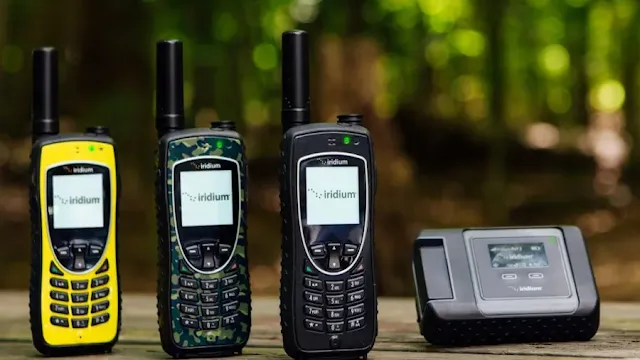
satellite phones
Quick Facts: What Is Not Allowed to Bring to India (2026)
  • Prohibited (never allowed): Narcotics, counterfeit currency, ivory, obscene material
  • Banned electronics: E-cigarettes, satellite phones (without permit), unregistered drones
  • Banned substances: CBD oil, cannabis products — even from legal countries
  • Restricted food: Fresh meat, dairy, fruits, vegetables, seeds
  • Alcohol limit: 2 litres duty-free (age 25+); dry states ban all alcohol
  • Weapons: Firearms, stun guns, pepper spray — require Arms Act licence
  • Penalty: Confiscation + fine up to 5× duty evaded + possible arrest
  • Authority: CBIC, BCAS, DGCA, Ministry of Home Affairs

Absolutely Prohibited Items in India

Some items are completely banned from import into India — no licence, permit, or duty payment can legalise them. If found at customs, they will be confiscated and you may face criminal prosecution under the Customs Act, 1962.

Zero Tolerance: Customs officers at Delhi, Mumbai, Chennai, and Kolkata airports use X-ray scanners, sniffer dogs, and random physical checks. Attempting to conceal prohibited items is treated as a serious criminal offence — not a misunderstanding.
CategoryExamplesPenalty
Narcotics & drugsHeroin, cocaine, cannabis, opiumNDPS Act — 10yr+ imprisonment
Counterfeit currencyFake INR or foreign notesCriminal prosecution
Obscene materialPornographic books, films (especially involving minors)IPC Section 292
Wildlife products (CITES banned)Ivory, shahtoosh, tiger skinsWildlife Protection Act
Counterfeit goodsFake branded products, pirated mediaIPR laws + Customs Act
E-cigarettes/vapesAll ENDS devices, e-liquidsPECA 2019 — fine + imprisonment
Certain chemicalsWeapon precursor chemicalsChemical Weapons Convention Act

Narcotics & Cannabis Products — Strictly Prohibited

India has zero tolerance for narcotics under the Narcotic Drugs and Psychotropic Substances (NDPS) Act, 1985. This includes not just illegal drugs but also many substances that are legal or medically permitted in other countries.

CBD Oil & Medical Cannabis: CBD oil, THC products, medical marijuana, and any cannabis-derived products are completely illegal in India — even if they are legally prescribed in your home country. Indian law does not recognise foreign medical exemptions for cannabis. Penalties under the NDPS Act include minimum 10 years imprisonment for commercial quantities.

If you are on prescription opioid painkillers, benzodiazepines, or other controlled substances, carry your original prescription, keep medications in original labeled packaging, and bring only the quantity needed for your trip. When in doubt, contact the Indian embassy before travel.

Wildlife & Animal Products — CITES Restrictions

India is a CITES signatory. Importing any product derived from protected wildlife — dead or alive — is subject to strict controls and is often completely prohibited.

Commonly Seized Items: Ivory products (including antiques), shahtoosh shawls (Tibetan antelope), tiger/leopard skin products, sea turtle shells, certain coral products, and taxidermied protected animals are all seized at Indian customs — regardless of where they were purchased or how old they are.

For importing live animals (pets), see our detailed guide: Importing Pets to India: 8 Must-Know Rules. All wildlife imports are regulated by the Ministry of Environment, Forest & Climate Change.

Weapons & Self-Defence Items

Bringing firearms, ammunition, or any items classified as weapons into India without the appropriate licence under the Arms Act, 1959 is a serious criminal offence.

Commonly Confiscated: Pepper spray and mace (classified as weapons), stun guns and tasers, certain folding/flick knives, realistic toy guns, and crossbows are frequently taken from travelers who didn't realise they were restricted in India.
ItemStatus in IndiaRequired Permission
Handguns / riflesRestrictedArms Act licence + MHA NOC
Air gunsRestrictedArms Act licence in most states
Pepper spray / maceRestricted / ProhibitedArms Act licence required
Stun guns / tasersProhibited without licenceArms Act licence required
KnuckledustersProhibitedNot permitted
Sporting firearmsRestrictedMHA NOC + sports federation cert

Always check the BCAS prohibited items list before packing anything that could be classified as a weapon.

Restricted Electronics — Need Prior Permission

DeviceStatusPermission Needed
Satellite phonesRestrictedDept of Telecommunications (DoT) permit
Drones / UAVsRestrictedDGCA import clearance + Digital Sky registration
Walkie-talkies / radio transmittersRestrictedWireless Planning & Coordination Wing licence
Night vision devicesRestricted / ProhibitedMHA permission — generally denied to civilians
Signal jammersProhibitedNot permitted under any circumstances
GPS trackersGenerally allowedDeclare if total value exceeds ₹75,000
Standard laptops/phones/camerasAllowedDeclare if total value exceeds ₹75,000
Drone Travelers: Apply for DGCA import clearance and Digital Sky registration at least 4–6 weeks before travel. Tourists caught flying unregistered drones face fines up to ₹25,000 and confiscation of the drone.

E-Cigarettes & Vapes — Completely Banned in India

India banned all Electronic Nicotine Delivery Systems (ENDS) under the Prohibition of Electronic Cigarettes Act (PECA), 2019. This covers e-cigarettes, vapes, e-cigars, e-pipes, e-hookahs, and any similar device or e-liquid refill.

No Exceptions: E-cigarettes are banned for import, sale, distribution, advertisement, and use in India. First-time offence: imprisonment up to 1 year and/or fine up to ₹1,00,000. Repeat offence: imprisonment up to 3 years and/or fine up to ₹5,00,000. Do not attempt to bring vapes to India.

Food & Agricultural Products — Restricted Items

Generally Allowed (personal quantities)
Restricted or Prohibited
  • Fresh fruits and vegetables
  • Fresh, frozen, or dried meat and poultry
  • Dairy products (milk, cheese, butter)
  • Seeds and live plants (need phytosanitary cert)
  • Soil, compost, or earth of any kind
  • Certain nuts and dried fruits (case by case)
Always Declare Food: Even commercially packaged food should be declared if you are carrying large quantities. Indian customs officers have discretion to inspect and confiscate food items that appear commercial in quantity. See: What Should Be Declared at Indian Customs?

Currency Restrictions

Foreign nationals cannot bring Indian Rupees (INR) into India. Indian residents can bring up to ₹25,000. Foreign currency cash above USD 5,000 must be declared. See the full rules in our FAQs on India Baggage Rules.

Items Not Allowed in Cabin Baggage on Indian Flights

Beyond customs restrictions, BCAS enforces specific rules on what cannot be carried in cabin baggage on Indian flights:

  1. Sharp objects: Scissors (blades >6cm), knives, razors, box cutters, swords
  2. Liquids over 100ml — unless duty-free in sealed bags (international) or medical
  3. Flammable items: Lighters (1 allowed in pocket), matches, fuel
  4. Firearms and ammunition — even licensed ones must go in checked baggage with airline approval
  5. Explosive-like items: Realistic toy guns, flare guns, starter pistols
  6. Self-defence items: Pepper spray, stun guns, batons
  7. Sports equipment: Baseball bats, cricket bats, golf clubs — must be checked in

Full details: Airport Security in India: 10 Items You Must Remove.

Prohibited vs Restricted — Quick Reference

ItemStatusAction Required
Narcotics / CBD oilProhibitedNever bring — criminal offence
E-cigarettes / vapesProhibited (PECA 2019)Never bring — banned in India
Ivory / wildlife productsProhibitedNever bring — CITES violation
Counterfeit goodsProhibitedNever bring — confiscation + fine
Satellite phonesRestrictedGet DoT permit before travel
DronesRestrictedGet DGCA clearance + register
FirearmsRestrictedArms Act licence + MHA NOC
Prescription controlled medsRestrictedCarry original prescription
Fresh meat / dairy / produceRestrictedDeclare at customs; may be seized
Gold above limitsDutiableDeclare + pay ~14.07% duty
Alcohol above 2 litresDutiableDeclare + pay 150% BCD

Pro Tips: What Not to Bring to India

  • Never bring e-cigarettes or vapes to India. The ban is absolute — no exceptions for tourists, medical users, or diplomatic travelers. Leave them at home or dispose before your flight.
  • Leave CBD oil behind even if prescribed. India's NDPS Act does not recognise foreign medical exemptions for cannabis-derived products. Even trace amounts in supplements can trigger testing and prosecution.
  • Check CITES before buying souvenirs abroad. Ivory carvings, coral jewellery, certain feathers, and exotic animal products that appear legal to buy in some countries may be seized when you arrive in India.
  • Declare all medicines — especially controlled substances. Carry original prescriptions and keep medicines in labeled original packaging. A doctor's letter explaining medical necessity helps for specialist medications.
  • Never carry packages for others without knowing the contents. You are legally responsible for everything in your baggage. Saying "I didn't know" is not a defence under the Customs Act.
  • Research drone rules 4–6 weeks in advance. DGCA import clearance and Digital Sky registration take time. Without these, your drone will be confiscated at the airport.
  • Fresh food is the most commonly misunderstood restriction. Even items like homemade cheese, cured meats, or fresh herbs can be seized. Stick to commercially sealed, packaged items in personal quantities.
  • Use the Red Channel proactively if in doubt. Customs officers treat voluntary declarants far more favourably. If you're not sure whether something is allowed, declare it and let the officer decide. See: What Should Be Declared at Indian Customs?

Related Articles

Frequently Asked Questions

What is not allowed to bring to India?

Narcotics, CBD oil, counterfeit currency, ivory and wildlife products (CITES), e-cigarettes/vapes, obscene material, counterfeit goods, satellite phones without permits, and unregistered drones are either prohibited or restricted in India.

Can I bring food items to India from abroad?

Commercially sealed packaged food in personal quantities is generally allowed. Fresh fruits, vegetables, meat, dairy, and seeds are restricted. Always declare food items at Indian customs.

Is CBD oil allowed in India?

No. CBD oil and all cannabis-derived products are completely prohibited in India under the NDPS Act, 1985 — even if legally prescribed in your home country.

Can I bring a drone to India?

Drones are restricted. You need DGCA import clearance and Digital Sky registration before operating a drone in India. Apply at least 4–6 weeks before travel.

Are e-cigarettes allowed in India?

No. E-cigarettes and all ENDS devices are completely banned in India under the Prohibition of Electronic Cigarettes Act, 2019. Penalties include fines and imprisonment.

Can I bring prescription medicine to India?

Yes. Prescription medicines for personal use are allowed in original packaging with a valid prescription. Controlled substances require special documentation. Carry only enough for your stay.

What electronic items are not allowed in India?

Satellite phones (require DoT permit), drones (require DGCA clearance), walkie-talkies (require WPC licence), signal jammers (prohibited), and night vision devices (generally prohibited for civilians) are restricted or banned.

Can I bring alcohol to India?

Yes, up to 2 litres duty-free for passengers aged 25+. Alcohol above this limit attracts very high customs duty (150% BCD for spirits). Alcohol is completely banned in dry states like Gujarat and Bihar.

©2010–2026 Indiabaggagerules.com — All rights reserved.

Why Is Chilli Powder Not Allowed on Flights? Spice Travel Guide 2026

Updated: April 20, 2026
Quick Facts: Chilli Powder & Spices on India Flights 2026
  • Chilli powder in cabin bag: Allowed in sealed packaging under 350ml — may be questioned
  • Chilli powder in checked bag: ✅ Allowed — seal tightly in zip-lock bags
  • Why it gets flagged: Appears like explosive material on X-ray; can be used as irritant
  • Turmeric in cabin bag: Allowed under 350ml in sealed packaging
  • All commercially sealed spices: ✅ Permitted in checked baggage
  • International travel: Destination customs may restrict spice imports — check before flying
  • Best practice: Original sealed commercial packaging + zip-lock bag always
  • Authority: BCAS, CISF (security discretion applies for powders)

Why Chilli Powder Gets Flagged at Airport Security

Chilli powder is not listed as a banned item under BCAS or CISF regulations, but it consistently causes issues at Indian airport security for two reasons:

  1. X-ray appearance: Dense, opaque powders like chilli, turmeric, and cumin appear similarly to explosive precursors on airport X-ray screens — the same type of dense orange/red mass that triggers secondary screening alerts
  2. Potential as an irritant weapon: Capsaicin (the active compound in chilli) causes intense eye and respiratory irritation. Security protocols flag it as a potential incapacitating agent if released in a confined aircraft cabin
  3. CISF officer discretion: Under BCAS rules, security officers can question or confiscate any item they consider suspicious — including powders — regardless of whether it is technically prohibited
It's Not Banned — It's Flagged. The distinction matters: chilli powder is not on any prohibited items list. The issue is that CISF officers have broad discretion over powders, and chilli powder commonly triggers secondary inspection. The solution is correct packaging and being prepared to open and explain the contents calmly.

Chilli Powder in Cabin Baggage

BCAS Powder Rule: In 2018, international aviation security guidelines established that powders above 350ml (12oz) in cabin baggage require additional screening. Indian airports follow this guidance. CISF officers have full discretion to confiscate any powder they consider a security risk, regardless of quantity.
QuantityCabin Bag StatusWhat to Expect
Under 100ml (small packet)✅ Generally acceptedMay be briefly examined at X-ray
100–350ml (medium container)✅ Generally acceptedMay be opened and visually inspected
Above 350ml (large quantity)⚠️ May be confiscatedCISF officer discretion — risk of confiscation
Any quantity, home-packed/unlabeled⚠️ High riskUnlabeled powders face maximum scrutiny
Tip: If carrying chilli powder in your cabin bag, keep it in the original commercial packaging with the brand name and ingredients clearly visible. A clearly labeled "MDH Deggi Mirch Chilli Powder" packet draws far less attention than an unlabeled zip-lock of red powder.

Chilli Powder in Checked Baggage

Checked baggage is always the safer option for chilli powder and all large-quantity spices. There are no specific restrictions on carrying commercially packaged chilli powder in checked baggage on Indian domestic or international flights. Personal use quantities are unrestricted.
  1. Place chilli powder in its original sealed commercial packaging
  2. Wrap the packet in a zip-lock bag (primary containment)
  3. Place that inside a second zip-lock bag (secondary containment)
  4. Pack the double-bagged spice in the center of your suitcase surrounded by clothing
  5. If the packet can be sealed further (rubber band, tape), do so — airline handling is rough
A burst chilli powder packet in your suitcase is a travel nightmare. The fine powder permeates clothing, electronics, and documents. Double-bagging is not optional — it is essential. Dedicated spice travel tins or airtight containers provide the best protection.

Spices by Type — What Gets Questioned Most

SpiceX-ray AppearanceCabin Bag RiskChecked Bag
Chilli powder (red/deggi mirch)Dense red mass⚠️ Frequently questioned✅ Fine in sealed packaging
Turmeric powderBright orange mass⚠️ Often inspected✅ Fine in sealed packaging
Cumin powder (jeera)Dark dense mass⚠️ Sometimes questioned✅ Fine
Coriander powder (dhania)Light beige✅ Rarely an issue✅ Fine
Garam masala (mixed)Mixed brown mass✅ Rarely an issue✅ Fine
Cardamom pods (whole)Small distinct pods✅ No issues✅ Fine
Cinnamon sticks (whole)Clearly stick-shaped✅ No issues✅ Fine
SaffronThin red threads✅ No issues✅ Fine (keep receipt)
Whole vs Ground: Whole spices (cardamom, peppercorns, cinnamon sticks, cloves) are clearly identifiable on X-ray and almost never cause issues. Ground powders are the ones that trigger secondary screening because their X-ray appearance is ambiguous. When in doubt, pack powdered spices in checked baggage.

International Travel — Destination Customs Rules for Spices

Clearing Indian airport security is only half the challenge. Many countries have strict biosecurity regulations on plant-based products including dried spices. Destination customs (not just security) may confiscate spices on arrival even if you cleared India security with them.
DestinationSpice Import RulesWhat to Do
USA (USDA/CBP)Commercially sealed spices generally allowed; whole seeds may be restrictedDeclare on customs form; keep receipts
Australia (DAFF)Strict — whole spices and seeds often prohibited; processed/sealed spices may passCheck DAFF biosecurity website; declare all
UK/EUCommercially sealed spices generally allowed; declare for quantities suggesting commercial importUse original factory packaging; declare at customs
UAE/Gulf statesGenerally permissive for personal spice quantitiesNo special action for personal quantities
Canada (CFIA)Most dried commercially packaged spices allowed; check CFIA for restricted itemsDeclare on CBSA customs card; keep receipts

How to Pack Spices for Indian Flights

  1. Always use original commercial packaging — brand name, ingredient list, and barcode clearly visible reduces X-ray scrutiny
  2. Double-bag all powders in zip-lock bags — both for cabin and checked baggage; prevents contamination if packaging fails
  3. Pack large quantities in checked baggage — above 350ml, always check; saves cabin bag X-ray delays
  4. Use airtight spice tins for long trips — metal tins with rubber seals provide better protection than bags during rough handling
  5. Carry purchase receipts for premium spices — saffron and other expensive spices may attract customs attention; receipts prove legitimate personal purchase
  6. Declare at destination customs — proactive declaration of spices at international customs is always safer than being stopped at the Green Channel

Cabin vs Checked — Spice Quick Reference

Spice TypeCabin Bag (under 350ml)Cabin Bag (above 350ml)Checked Bag
Chilli powder (sealed commercial)✅ Generally OK⚠️ Officer discretion✅ Fine (double bag)
Turmeric powder (sealed)✅ Generally OK⚠️ Officer discretion✅ Fine (double bag)
Mixed masala (sealed)✅ Generally OK⚠️ Officer discretion✅ Fine
Whole spices (cardamom, etc.)✅ No issues✅ Generally fine✅ Fine
Loose unlabeled powder (any)❌ High risk❌ Likely confiscated⚠️ Not recommended

Pro Tips: Spices and Chilli Powder on Indian Flights

  • Pack powdered spices in checked baggage whenever possible. Even if small quantities are allowed in cabin bags, the time cost of secondary screening at CISF security — opening bags, inspecting powders, re-packing — is rarely worth the convenience. A quick decision to put spices in checked baggage saves 5–15 minutes at security.
  • Use branded commercial packaging, not home-filled containers. A clearly labeled "Everest Chilli Powder" or "MDH Turmeric" packet is immediately recognized. An unlabeled zip-lock bag of the same powder creates maximum suspicion and will almost certainly trigger secondary screening and possible confiscation.
  • Double or triple bag powdered spices in checked baggage. A single burst spice packet will ruin a suitcase — fine red or orange powder permeates everything. Two zip-lock bags is minimum; a dedicated airtight spice tin is ideal for anything above 100g.
  • Keep your cabin bag spices accessible, not buried. If CISF asks to inspect your spice packets at the X-ray checkpoint, you'll need to retrieve them quickly. Pack cabin bag spices in an easy-access outer pocket rather than deep inside your main compartment.
  • Be calm and cooperative at security inspections. If CISF stops you for a spice inspection, calmly open the packet, identify the contents clearly, and allow the officer to inspect. Frustration or resistance will always make the situation worse. Most inspections take under 2 minutes when the traveler is cooperative.
  • For Australia and other strict biosecurity countries, check online before packing. Australia's DAFF (Department of Agriculture) has a searchable biosecurity import conditions database at the official website. Check your specific spice before every trip to Australia — rules change and enforcement is strict with heavy fines for undeclared biosecurity items.
  • Whole spices travel better than powders — consider grinding at destination. Whole cardamom, cinnamon sticks, whole peppercorns, and cloves pass through security easily (clearly identifiable on X-ray) and can be ground at your destination. Many traditional spice blends can be approximated with whole spices ground fresh.
  • Carry a small note in English and Hindi identifying your spices. For premium or unusual spices that security officers may not recognize, a simple note reading "Hing / Asafoetida — culinary spice, non-hazardous" can save time during inspection and shows you are a prepared, honest traveler.

Related Articles

Official External Resources

Frequently Asked Questions

Why is chilli powder not allowed on flights in India?

Chilli powder is not banned — it gets flagged because it appears as dense opaque matter on X-ray screens similar to explosive material, and capsaicin can act as an irritant weapon. CISF security officers have discretion over all powders. Use original sealed commercial packaging and be prepared to open and explain at secondary screening.

Can I carry chilli powder in checked baggage on Indian flights?

Yes. Chilli powder in sealed commercial packaging is permitted in checked baggage with no specific quantity limit for personal use. Double-bag in zip-lock bags to prevent leakage and contamination of your other luggage.

Can I carry chilli powder in cabin baggage on Indian flights?

In small quantities (under 350ml) in sealed original commercial packaging — generally yes, but CISF officers may inspect it. Above 350ml, security officers have discretion to confiscate it. Checked baggage is always safer for large spice quantities.

Can I take turmeric powder on a plane?

Yes. Turmeric in sealed original packaging in cabin bag under 350ml is generally fine — it may be briefly inspected as it appears bright orange on X-ray. Pack in zip-lock bags to prevent staining. Large quantities should go in checked baggage.

Which spices are allowed on Indian domestic flights?

All commercially sealed spices are permitted in checked baggage. In cabin baggage, whole spices (cardamom, cinnamon, peppercorns) are unrestricted. Ground powders under 350ml in sealed original packaging are generally accepted. Use branded commercial packaging — unlabeled powders face maximum scrutiny.

Are there restrictions on carrying spices internationally from India?

Yes — destination country customs (especially Australia, USA, Canada) may restrict spice imports. Commercially sealed factory-packaged spices generally clear customs. Loose or home-packaged spices may be confiscated. Always declare spices on the customs form at your destination country.

How should I pack spices for a flight from India?

Use original sealed commercial packaging, double-bag in zip-lock bags, pack large quantities in checked baggage, keep quantities under 350ml per container for cabin bag, carry receipts for premium spices like saffron, and declare at destination country customs for international flights.

Can I carry saffron on a flight from India?

Yes. Small personal quantities of saffron in original sealed packaging are permitted in cabin and checked baggage on Indian domestic and international flights. Keep the purchase receipt. Some countries have import quantity limits on saffron — check destination country customs rules before travel.

©2010–2026 Indiabaggagerules.com — All rights reserved.

Flight Diverted in India: Compensation and Hotel Rules

Flight Diverted in India: Do You Get Compensation or Hotel Stay? Your flight landed at the wrong airport, the crew says the original ...