Showing posts with label Gold. Show all posts

Where Should I Pack Jewelry When Flying? Carry-On Safety Tips

Updated: October 04, 2026

Pack valuable jewelry in your personal item or carry-on bag, preferably inside a small protective organizer in a zipped interior compartment. Keep that bag with you throughout the journey. Avoid putting gold, diamonds, luxury watches or irreplaceable family pieces in checked luggage.


Whether you are carrying a wedding necklace, an engagement ring or everyday earrings, the aim is to prevent loss, scratches and tangles while keeping your valuables under your control. Wearing a piece can be practical, but it does not remove airport screening or customs requirements.

This guide explains how to pack jewelry, what to do at security, how to handle a last-minute gate check, and whether airlines, travel insurance or credit cards might cover a loss.

Quick answer: Keep jewelry in a protective pouch or case inside the bag that stays with you. If your cabin suitcase is taken for gate-checking, remove your jewelry before handing it over. At security, avoid placing small valuables loose in a tray; follow the officer’s instructions for screening.

Table of Contents

Where Is the Best Place to Pack Jewelry When Flying?

A zipped interior compartment in your personal item is a practical choice. Put the jewelry inside a protective case or pouch first, rather than dropping pieces directly into the bag.

Use a bag that complies with your airline’s cabin allowance and can be stowed where instructed. A small bag under the seat ahead can be easier to monitor than a suitcase several rows away, but no location is theft-proof.

  • Keep the organizer separate from loose cables, keys and coins.
  • Close every compartment before moving between airport areas.
  • Keep the bag with you in cafés, washrooms, lounges and taxis.
  • Avoid seatback pockets, trolley baskets and easily opened outer pockets.
  • Carry only the pieces you actually need.

On bulkhead or exit-row seats, crew may require all bags to be placed in an overhead compartment during takeoff and landing. Plan for this and follow their stowage instructions.

Should Jewelry Go in Carry-On or Checked Luggage?

Location Practical advantage What to watch for
Personal item Usually stays close to you Must meet the airline’s allowance and stowage requirements
Cabin suitcase Keeps valuables out of the checked-baggage system May be gate-checked or stored away from your seat
Worn on your person Convenient for a secure ring or simple chain Loose clasps, screening and conspicuous displays remain concerns
Checked suitcase No meaningful advantage for valuable jewelry Outside your control; compensation and insurance may not cover the full loss

A carry-on can become a checked bag at the gate. If staff ask to take your suitcase, remove the jewelry organizer and put it in the permitted personal item that remains with you. Tell the agent you need to remove valuables before surrendering the bag.

A suitcase lock does not replace keeping valuables with you. Read our guide to protecting valuables from theft on a plane.

What Is the Best Way to Pack Jewelry for Travel?

Choose protection that suits the piece. A soft roll works for many everyday items; a rigid, padded case offers better protection against pressure for delicate settings and structured ornaments.

  1. Make an inventory: photograph the pieces and record identifying details before packing.
  2. Separate items: give each chain, ring, bracelet or watch its own compartment or soft pouch.
  3. Secure closures: fasten clasps and earring backs without forcing delicate parts.
  4. Protect against pressure: use a firm case for pieces that could bend or crush.
  5. Close the organizer: place it inside a zipped interior bag compartment.
  6. Check before every departure: count the pieces before leaving home, a hotel or an event.

Necklaces and chains

Use a necklace roll with individual fastening points or pack each chain separately. A clean, smooth straw can help keep a suitable fine chain straight, but do not force a pendant or thick chain through it. Avoid pinching a delicate chain in a zipper or plastic seal.

Rings and earrings

Use padded slots or separate compartments. Secure stud earrings with their backs and keep pairs together. A clean compartment box can work for inexpensive pieces, but hard plastic alone does not protect stones from scratching or impact.

Pearls, soft stones and delicate settings

Keep these separate from harder gems and metal edges. Use a soft pouch or padded compartment and avoid contact with perfume, cosmetics and leaking toiletries. Do not use plastic bags for long-term pearl storage.

The Gemological Institute of America explains these precautions in its guide to travelling with jewelry and pearl-care advice.

Watches and wedding jewelry

Place watches in individual padded sleeves or a watch roll. Support larger wedding ornaments so that chains, hooks and decorative sections cannot rub or bend against each other. For borrowed or rented pieces, check who is responsible for insurance during transit.

Keep it discreet, not difficult to find. A plain organizer inside a zipped bag is preferable to loose jewelry hidden in tissues, food wrappers or containers that someone might throw away. Discreet packing does not mean concealing goods from security or customs.

Do You Need to Remove Jewelry at Airport Security?

Ordinary jewelry is generally permitted in hand luggage, but screening instructions depend on the airport, equipment and item. Do not assume guidance from one country applies at every connection.

At Indian airports

CISF’s air-travel guidance advises placing metal items such as watches in hand baggage before screening. Follow the officer’s instructions about bangles, necklaces and other pieces. If something cannot be removed easily, explain this before screening rather than forcing it off.

See the CISF air-travel guidance.

At U.S. airports

TSA permits jewelry in carry-on baggage and advises keeping valuable items with you. It also says you can request private screening of yourself and your valuables. This is U.S. guidance, not a guarantee of an identical procedure at an Indian airport.

See TSA’s jewelry guidance.

What should you avoid wearing to simplify screening?

Bulky metal accessories, large belt buckles and multiple heavy bangles can make preparation more cumbersome. Pack nonessential pieces before joining the queue, so you are not juggling valuable items beside the conveyor.

  • If removal is required, ask to place the piece securely inside your bag for screening.
  • Avoid leaving rings or earrings loose in a tray.
  • Tell an officer promptly if your bag moves out of sight while you are held for further screening.
  • At an Indian checkpoint, ask whether discreet inspection can be arranged if needed.
  • Check that you have collected every bag and pouch before leaving.

Private screening does not mean exemption from screening. Officers may still need to inspect the jewelry and its packaging. Cooperate with the process while asking for careful handling.

Does Carrying or Wearing Gold Change Indian Customs Rules?

No packing method creates a customs exemption. Wearing a necklace, removing a retail box or putting jewelry in a handbag does not by itself make the item duty-free.

Customs treatment depends on the applicable rules and circumstances, including your eligibility, the jewelry being brought in, whether it is a new purchase or gift, and whether it will leave India again. Bars and coins should not be treated as ordinary wearable jewelry.

CBIC’s traveller guidance describes a temporary baggage import certificate route for jewelry brought for an event and taken back out. Eligibility and documentation must be established with customs; simply describing something as “wedding jewelry” is not enough.

Consult the official CBIC traveller guide before travelling.

Useful documents for valuable jewelry

  • Purchase invoices, where available
  • Photographs and a detailed description
  • Valuation or appraisal documents
  • Watch serial numbers and ownership records
  • Relevant customs export or temporary-import documentation
  • Insurance schedule showing the covered pieces

Photos and appraisals can help identify an item, but they do not automatically establish duty-free eligibility. For detailed rules, read How Much Gold Can You Bring to India? and Can You Wear a Gold Chain Through Indian Customs?.

Is Lost or Stolen Jewelry Covered by Airline Baggage Rules?

Possibly, but full reimbursement is not guaranteed. The applicable law, whether the item was checked or carried in the cabin, the circumstances of the loss and your evidence all matter.

For international carriage covered by the Montreal Convention, airlines cannot simply exclude every category of valuable checked-baggage contents from liability. The U.S. Department of Transportation specifically explains that international treaty obligations can prevent blanket exclusions for jewelry and electronics.

However, a baggage claim remains subject to applicable limits and other requirements. An expensive necklace can be worth more than the available baggage compensation. Theft from a bag you retain in the cabin also does not automatically establish that the airline is responsible.

See the U.S. DOT baggage liability guidance. Its domestic U.S. rules should not be confused with Indian domestic rules.

For deadlines and domestic versus international compensation, use our lost baggage claim time limits guide.

Does Travel Insurance Cover Stolen Jewelry?

Some policies provide limited cover; others exclude jewelry or particular circumstances. A large headline baggage limit does not mean a single ring is insured for that amount.

Check all of the following before departure:

  • Whether jewelry and watches are covered at all
  • The maximum for one item, pair or set
  • Any combined valuables limit
  • Checked-baggage and unattended-property exclusions
  • Whether accidental loss or unexplained disappearance is covered
  • Territorial limits, deductibles and valuation methods
  • Police-report and claim-notification deadlines

Allianz explains that baggage benefits can include separate limits for high-value items such as jewelry and watches. The exact policy wording controls. See its baggage insurance explanation.

Should you buy separate jewelry insurance?

For an engagement ring, luxury watch or valuable wedding set, ask about specialist jewelry insurance or a valuables extension that identifies the pieces and their insured values. Confirm that your destination and the entire journey are covered.

Specialist policies can offer broader protection, but eligibility varies. For example, Jewelers Mutual describes worldwide travel coverage for eligible policies held by residents of the U.S. or Canada; that is not an offer available automatically to every traveller. See its worldwide coverage explanation.

Does a Credit Card Cover Jewelry Stolen During Travel?

Only if your particular card benefit covers the item and circumstances. Paying for a flight with a credit card does not automatically insure every valuable you take.

Benefit What it may cover What to verify
Lost luggage reimbursement Eligible loss, theft or damage connected with covered carrier travel Fare-payment requirements, jewelry sublimits and exclusions
Baggage delay insurance Necessary purchases while baggage is delayed Replacement jewelry is not the purpose of an essentials benefit
Purchase protection Eligible recently purchased items damaged or stolen within the benefit period Purchase date, payment method, item eligibility and loss circumstances
Travel accident insurance Specified injury or death benefits It does not establish insurance for your jewelry

For example, a Chase Sapphire Preferred benefits guide lists a separate jewelry-and-watches sublimit within its lost luggage benefit. This illustrates why the main baggage limit can be misleading; it is not a promise of coverage for a different card or a claim today.

Read the example benefits guide, then obtain the current guide for your exact card, issuing country and travel date.

Purchase protection is a separate benefit. Chase’s purchase protection explanation describes its link to eligible purchases; it should not be confused with lifetime travel cover for an older piece.

Ask the insurer or card administrator a specific question: “Is this jewelry covered in India, while carried in my handbag and while stored at my hotel? What is the jewelry limit, and what happens if it is stolen or simply goes missing?” Save the response with the policy documents.

What Should You Do If Jewelry Goes Missing?

  1. Record the facts: note when and where you last saw the item, its description and the bags or rooms involved.
  2. Report promptly: contact airport security or lost property for a checkpoint loss, airline staff for a baggage incident, or hotel management for a hotel incident.
  3. Report suspected theft to police: request a report or acknowledgment and describe the circumstances accurately.
  4. Preserve evidence: retain baggage tags, boarding passes, photographs, receipts and correspondence.
  5. Notify the insurer and card administrator: ask about deadlines and required documents immediately.
  6. Submit any airline claim in writing: do not assume a tracing report alone completes the compensation claim.

If a delivered suitcase has missing contents, photograph its condition and report the problem immediately. For international claims, short written-complaint deadlines may apply to pilferage or damage; do not wait for a general lost-baggage tracing period.

Distinguish confirmed theft from unexplained loss. Do not invent details to fit a policy definition, and disclose payments received from other sources rather than claiming the same loss twice.

Our baggage complaint letter guide can help organize your written claim.

How Should You Store Jewelry at Your Destination?

Keep the same organized routine at hotels, wedding venues and relatives’ homes. Avoid leaving rings beside sinks or transferring pieces into tissues and loose clothing pockets.

Useful Precautions

  • Use one consistent storage location.
  • Check your policy’s safe-storage requirements.
  • Ask about documented secure custody for very valuable items.
  • Count pieces when packing and leaving accommodation.
  • Keep ownership records separately from the jewelry.

Mistakes to Avoid

  • Assuming any hotel safe guarantees protection or reimbursement.
  • Leaving a jewelry pouch in an unattended vehicle.
  • Handing valuables to someone without a clear record.
  • Displaying your collection in public areas.
  • Forgetting items in a room safe at checkout.

A hotel safe may reduce casual access, but it is not a guarantee. Ask about the hotel’s procedures and any custody receipt, and follow your insurer’s conditions.

Frequently Asked Questions

Can I put jewelry in hand luggage?

Yes, ordinary jewelry is generally permitted in hand luggage. Pack it securely, comply with screening instructions and check customs obligations separately for international travel.

Is it better to wear jewelry or pack it?

A securely fitting everyday ring or simple chain may be practical to wear. Pack unnecessary or delicate pieces in a protective organizer. Neither option removes customs obligations or guarantees against loss.

Can I wear gold bangles through airport security?

Follow the instructions at the checkpoint. Metal jewelry can require additional screening or removal. Tell the officer if a bangle cannot be removed easily and ask how to proceed.

Will a jewelry box need to be opened?

It may. Security officers can request inspection after screening. Pack so that the case can be accessed without emptying valuables across a public table, and ask about discreet handling if necessary.

Are pill organizers suitable for jewelry?

A clean, securely closing compartment organizer can separate small inexpensive pieces. A padded jewelry case is more suitable for delicate or valuable items. Do not mix jewelry with medicines.

Where should I put jewelry if my carry-on is gate-checked?

Remove it before handing over the suitcase and put it in your permitted personal item. Keep the protective pouch or case closed while transferring it.

Does wearing gold mean I do not need to declare it in India?

No. Wearing gold does not automatically make it exempt. Check the rules applicable to your circumstances and declare items when required.

Will insurance pay the sentimental value of an heirloom?

Do not assume so. Settlements follow policy terms and valuation provisions; emotional significance does not establish a monetary entitlement. Consider leaving an irreplaceable piece securely at home.

What is the most important jewelry packing precaution?

Keep your jewelry in a protective organizer inside the bag that remains with you, and remove it before that bag is checked. Combine careful handling with verified insurance and customs preparation.

Dubai Duty-Free Gold to India: Customs Rules Explained

Updated: September 27, 2026

Gold bought at Dubai Duty Free is not automatically duty-free when you arrive in India. The airport shop’s pricing and India’s customs exemptions are separate matters. Your eligibility depends on what you bought, how long you have lived abroad, your passenger category and the applicable import conditions.


A gold chain, a gold coin and a gold biscuit can receive different customs treatment—even when purchased from the same counter. Before paying, establish whether your purchase qualifies for an allowance or requires declaration and duty.

Dubai Duty-Free Gold to India

Before you buy: India’s special jewellery allowance is different from its conditional permission for eligible passengers to import up to 1 kg of gold on payment of duty. Neither is a blanket allowance available to everyone returning from a Dubai holiday.

Does Buying Gold at Dubai Duty Free Avoid Indian Customs Duty?

No. A duty-free receipt does not grant an Indian customs exemption. The UAE Government’s customs guidance reminds travellers to follow their destination country’s rules and declare goods exceeding the relevant allowances.

Buying at an airport, shopping in Dubai’s gold markets or receiving a UAE tax refund does not decide whether India will charge duty. Indian Customs assesses the goods you bring into the country under Indian rules.

For a broader overview of quantities and passenger eligibility, see our Dubai-to-India gold allowance guide. This page focuses on what airport shoppers should check before buying.

How Much Gold Jewellery Can You Bring Duty-Free?

Under Rule 6 of the Baggage Rules, 2026, a resident or tourist of Indian origin who has resided abroad for more than one year can bring the following jewellery in bona fide baggage:

Eligible passenger Special duty-free jewellery allowance
Female passenger Up to 40 grams
Passenger other than a female passenger Up to 20 grams

The 2026 provision uses weight limits without the former ₹50,000 and ₹1 lakh value caps. It applies to jewellery, not gold bars, biscuits or coins. The legal definition includes precious-metal articles of adornment, whether studded or not.

Do not confuse “more than one year” with the separate six-month eligibility condition for the duty-paid gold import provision.

Can I Bring 20 Grams of Gold From Dubai?

The answer depends on its form and your eligibility. A qualifying jewellery purchase may fit the special allowance. A 20-gram bar does not become duty-free because it weighs the same as a chain.

For ornaments, gifts and wearing jewellery on arrival, read Can You Bring Gold Jewellery From Dubai to India?

Are Gold Bars, Coins and Biscuits Duty-Free?

Gold bullion does not receive the special jewellery exemption. The general baggage allowance also excludes gold or silver in forms other than ornaments. Buying a small bar or coin within your ordinary shopping budget therefore does not make it duty-free.

Where import is permitted, duty applies to the bullion rather than only the amount exceeding a 20-gram or 40-gram jewellery threshold. Those jewellery thresholds cannot be deducted from a bar’s weight.

A retailer describing a coin as a gift, souvenir or investment product does not change its customs classification. See our gold biscuit customs guide before purchasing bullion.

Can I Bring 1 Kg of Gold to India?

Eligible passengers may use a conditional duty-paid provision for up to 1 kg; this is not a duty-free entitlement. The conditions appear in Notification 45/2025-Customs, entry 194 and condition 23, as amended.

  • The passenger must be of Indian origin or hold a valid Indian passport.
  • The passenger must return after at least six months abroad.
  • Qualifying short visits to India may be disregarded if they total no more than 30 days and the relevant exemption was not used during those visits.
  • The prescribed duty must be paid in convertible foreign currency.
  • The quantity covered by this provision must not exceed 1 kg per eligible passenger.

The entry covers specified bars and coins, as well as other gold forms including unstudded ornaments. Ornaments studded with stones or pearls are excluded from that particular concession.

Do not buy 1 kg based only on nationality or willingness to pay tax. Confirm eligibility and the payment procedure with your arrival airport’s Customs office before committing to a substantial purchase.

What Is the Current Customs Duty on Gold From Dubai?

The gold bullion import duty increased to 15% from 13 May 2026: 10% basic customs duty plus 5% Agriculture Infrastructure and Development Cess. The earlier 6% figure remains visible on some older guidance pages.

The change is documented in the Finance Ministry’s May 2026 customs notifications and the Department of Economic Affairs’ May 2026 report. The amendment also increased the basic duty in the eligible-passenger gold entry.

Do not apply 15% automatically to every piece of jewellery. Jewellery classification, any exemption, passenger eligibility and applicable levies must be assessed separately. Studded jewellery needs particular care because it is excluded from the passenger concession described above.

How Is Gold Duty Calculated?

Customs does not necessarily use your Dubai shop receipt as the final assessable value. For covered gold imports, the notified tariff value and applicable customs exchange rate affect the calculation. CBIC’s passenger clearance guidance explains the use of notified tariff values, although its published 6% rate predates the May increase.

Illustration: If Customs assesses an eligible bullion import at ₹5,00,000 and a 15% effective duty applies, the duty is ₹75,000. This illustrates the calculation; it is not a current gold-price quotation or an assessment for jewellery.

For purchase planning, compare the Indian retail price against the Dubai purchase cost plus Indian duty, making charges where applicable, currency-conversion costs and payment fees.

What If You Only Visited Dubai for a Few Days?

A short shopping holiday does not meet the residence requirement for the special jewellery allowance or the six-month condition for the eligible-passenger gold provision. Do not assume you can bring investment bars simply by offering to pay a higher duty.

Your Existing Personal Jewellery Is a Different Question

Official 2026 baggage FAQs distinguish used personal jewellery reasonably required during the journey for daily use from other jewellery imports.

It would therefore be misleading to say that every short-stay passenger must pay duty on all gold they wear. Equally, putting on a newly purchased necklace does not automatically turn it into exempt used personal jewellery.

For valuable jewellery previously taken out of India, retain ownership records and any Customs export documentation. For larger collections temporarily brought for an event and taken back, ask Customs about a Temporary Baggage Import Certificate.

Our gold chain and Indian Customs guide discusses the distinction between wearing jewellery and establishing its customs treatment.

How Do You Declare Gold at Indian Customs?

Declare dutiable gold and report to the Red Channel. The 2026 baggage declaration regulations provide the passenger declaration framework. Use the official electronic declaration process where required and follow the airport’s instructions.

Keep the following accessible:

  • Your passport and travel or residence records supporting eligibility.
  • A detailed invoice showing the item, purity, weight and price.
  • Bar serial numbers and relevant product certificates.
  • Records supporting any claim that jewellery was previously exported from India.
  • A copy of the declaration and the official duty-payment receipt.

If you are uncertain about an exemption, ask Customs before using the Green Channel. A seller’s assurance is not a customs ruling.

What Happens If You Exceed an Allowance?

Exceeding a duty-free allowance can require assessment and payment, provided the goods are otherwise admissible. Exceeding an import limit or failing an eligibility condition is a separate issue; payment alone may not resolve it.

Undeclared dutiable goods can be liable to confiscation under the Customs Act, with penalties and further proceedings depending on the circumstances. If Customs detains an item, obtain written documentation identifying it and explaining the next steps.

Can You Buy Gold Online From Dubai and Bring It to India?

Separate an online purchase from the method of import. Placing the order on a website does not determine which customs rules apply.

Online Order Collected in Dubai

If a retailer offers collection in Dubai and you personally carry the gold to India, passenger baggage rules still apply. Confirm product availability, collection requirements and your Indian customs eligibility before paying.

Gold Shipped to an Indian Address

A parcel delivered to India is not your accompanied passenger baggage. Do not apply the traveller’s jewellery allowance or 1 kg provision to an online shipment.

Before ordering, obtain written confirmation of the lawful import route, importer requirements, carrier acceptance, customs clearance, taxes and insurance. A website accepting an Indian delivery address is not proof that the shipment qualifies for clearance.

What Should You Check Before Buying Gold at Dubai Airport?

  1. Identify the product: Establish whether it is jewellery, a coin or a bar.
  2. Check your eligibility: Review your residence and travel history before relying on an allowance.
  3. Request a detailed invoice: Ask for purity, weight, making charges and stone details where relevant.
  4. Compare the final cost: Include Indian customs duty and currency or payment charges.
  5. Allow time for declaration: Avoid planning a tight onward connection around immediate customs clearance.
  6. Keep gold secure: Carry valuable purchases in your hand baggage, within airline limits, with documents accessible.

For onward travel planning, see our Dubai-to-India airline baggage guide and Gulf-to-India travel guide.

Frequently Asked Questions

Does a Dubai Duty Free Shopping Bag Exempt Gold From Indian Customs?

No. The shop’s branding, sealed packaging or receipt does not establish an Indian exemption. Customs treatment depends on the goods and your eligibility.

Is Gold Bought as a Gift Duty-Free?

Calling a purchase a gift does not create an additional allowance. Explain accurately what you bought and who it is for when declaring it.

Does Every Passenger Get 20 or 40 Grams Duty-Free?

No. Those are conditional jewellery allowances, not universal gold allowances for every traveller. Check the eligibility section before making a purchase.

Can I Use My General Shopping Allowance for a Gold Biscuit?

No. Gold in forms other than ornaments is excluded from the general baggage allowance. See the India duty-free allowance guide for other purchases.

Is Gold Always Cheaper at Dubai Airport?

Do not assume so. Compare the same purity and weight, then include making charges, conversion costs and the Indian customs treatment. A lower displayed price does not necessarily mean a lower final cost.

Where Can I Read the Broader India Gold Rules?

Our India gold customs guide covers duty-free limits, returning passengers and the wider import framework.

How Much Gold Can You Bring to India? Duty-Free Limits, NRI Rules & Customs Guide 2026

Updated: September 22, 2026

How much gold you can bring to India depends on what you are carrying, your passenger eligibility and how long you have stayed abroad. Everyday personal jewellery, newly purchased ornaments and gold bars are treated differently. There is no single duty-free gold limit that applies to every traveller.

Quick answer: bringing gold to India in 2026
  • Special duty-free jewellery allowance: Eligible female passengers can bring up to 40 grams; eligible passengers other than female can bring up to 20 grams.
  • Eligibility: This special allowance covers residents or tourists of Indian origin who have resided abroad for more than one year.
  • No old rupee caps: The previous ₹50,000 and ₹1,00,000 value ceilings were removed under the Baggage Rules, 2026.
  • Gold bars and coins: They do not qualify for the special jewellery allowance.
  • Gold on payment of duty: A separate concession permits up to 1 kg for eligible passengers, subject to conditions.
  • Used personal jewellery: Genuine everyday jewellery requires a different assessment from newly purchased gold being imported.

Last reviewed: 22 September 2026. Customs duty rates and import conditions should be checked again before travel.

How Much Gold Jewellery Can You Bring to India Duty-Free?

The government’s announcement of the Baggage Rules, 2026 confirms that the special jewellery allowance is now based on weight, with the old monetary ceilings removed.

Eligible passenger Special duty-free jewellery allowance Stay abroad required
Female resident or tourist of Indian origin Up to 40 grams More than one year
Resident or tourist of Indian origin other than female Up to 20 grams More than one year

A brief holiday abroad does not establish eligibility for this special concession. For example, returning from a five-day Dubai shopping trip does not automatically give a passenger a fresh 20-gram or 40-gram jewellery exemption.

The concession concerns jewellery. A gold biscuit or investment coin does not become jewellery simply because its weight falls below these limits. See our separate guide to bringing gold biscuits to India.

Do the ₹50,000 and ₹1 lakh limits still apply?

No, those are the former value caps for this special jewellery allowance. They should not be presented as current limits under the 2026 rules. However, removing the value ceilings does not remove the passenger eligibility requirements or turn the allowance into an exemption for bullion.

Does Wearing Gold Jewellery Make It Duty-Free?

Wearing an item does not, by itself, decide its customs treatment. There is an important distinction between used personal jewellery reasonably needed during a journey and newly acquired jewellery being brought into India.

The Baggage Rules, 2026 provide duty-free treatment for qualifying used personal effects. CBIC’s published guidance distinguishes everyday used jewellery from other jewellery that may require an allowance, duty payment or temporary-import documentation.

  • Everyday wedding ring or usual chain: Explain its personal use and ownership if asked.
  • New necklaces bought abroad: Putting them on before landing does not establish that they are used personal effects.
  • Several wedding sets: Plan the declaration and any temporary-import procedure before travelling.
  • Gold belonging to someone else: Do not describe it as your everyday personal jewellery.

Equally, it is misleading to claim that every traveller wearing more than 20 or 40 grams automatically owes duty. The purpose, circumstances and applicable exemption matter. Read more about wearing a gold chain through Indian Customs.

Can NRIs Bring 1 Kilogram of Gold to India?

The 1 kg provision is a conditional import concession on payment of duty. It is separate from the special duty-free jewellery allowance.

Under Condition 23 of Notification 45/2025-Customs, the eligible passenger must:

  • Be of Indian origin or hold a valid Indian passport.
  • Return after at least six months abroad.
  • Meet the requirement for payment of duty in convertible foreign currency.
  • Remain within the permitted quantity and other conditions.

Short visits to India totalling no more than 30 days can be ignored for this six-month test, provided the passenger did not claim the concession during those visits.

Six months and more than one year are different tests: Do not confuse eligibility for importing gold on payment of duty with eligibility for the special duty-free jewellery allowance.

An NRI or OCI label alone does not settle eligibility. Check your actual travel history before buying gold, especially if you have made several recent trips to India.

The passenger concession also excludes ornaments studded with stones or pearls from the specified gold entry. Do not assume that a diamond necklace receives the same duty treatment as a qualifying plain gold bar.

What Is the Customs Duty on Gold Brought to India?

Do not use the old 14.07% calculation or assume that the earlier 6% rate remains current. Duty changes took effect on 13 May 2026.

Notification 15/2026-Customs increased basic customs duty under the eligible-passenger gold and silver entries from 5% to 10%. The accompanying Notification 16/2026-Customs revised the relevant cess provisions.

For qualifying gold bullion, the revised headline burden is 15%: 10% basic customs duty plus 5% Agriculture Infrastructure and Development Cess. The Finance Ministry’s May 2026 economic report confirms the increase from 6% to approximately 15% for gold and silver.

This is not a universal rate for every piece of jewellery or every passenger. Classification, stones, passenger eligibility and applicable exemptions can change the assessment. Obtain a specific calculation for ornaments or cases outside the eligible-passenger concession.

How is the amount calculated?

For goods covered by notified tariff values, Customs uses the applicable tariff value and customs exchange rate. Your overseas receipt remains useful, but the receipt price or an Indian jeweller’s retail price is not automatically the customs assessment value.

Illustrative calculation: If Customs assesses qualifying dutiable bullion at ₹5,00,000 and the applicable total rate is 15%, the duty is ₹75,000. This example is arithmetic, not a quotation for a particular weight or arrival date.

Do not subtract a jewellery allowance from the weight of a gold bar when estimating duty. A bar does not qualify for that jewellery exemption.

Can you pay in rupees or by card?

Confirm the payment arrangements with Customs at your arrival airport before departure. The eligible-passenger concession expressly includes a convertible-foreign-currency condition, so a general statement that everyone can simply pay INR cash or use any card is unreliable.

Request an official assessment and receipt. Our customs duty payment guide explains the practical questions to ask.

How Much Silver Can You Bring to India?

The eligible-passenger concession permits up to 10 kg of silver, subject to duty and the relevant conditions. This is not a duty-free silver allowance.

Separate the following categories before packing:

Silver item Important distinction
Jewellery Consider the applicable personal-effects or jewellery provisions.
Bars and coins Do not treat them as ordinary duty-free shopping.
Bowls, plates and utensils They are silver articles, not jewellery worn for adornment.
Ornaments studded with stones or pearls Excluded from the specified eligible-passenger silver concession entry.

Annexure I of the Baggage Rules excludes gold and silver in forms other than ornaments from the general free allowance. Therefore, the general ₹75,000 allowance should not be presented as a duty-free allowance for silver bars, coins or utensils.

For packing and screening considerations, see carrying silver utensils on India flights. Permission to carry an item on an aircraft does not settle its customs treatment.

Examples: Which Rule Should You Check?

Travel situation What to check
A traveller returning from a short shopping trip with a new chain Do not assume the special long-stay jewellery exemption applies.
A qualifying returning passenger carrying newly purchased jewellery Check the special jewellery allowance and declare any dutiable excess.
An eligible passenger carrying investment gold Check the paid-import concession, quantity, duty and payment conditions.
A visitor wearing their usual personal jewellery Consider used personal-effects treatment and supporting ownership evidence.
A wedding guest bringing valuable sets and taking them home again Ask about temporary import and re-export documentation.

These are planning examples, not advance customs clearance. Before buying, describe your exact situation to Customs: passenger status, travel dates, item type, weight and whether it will remain in India.

How Do You Declare Gold at Indian Customs?

The Customs Baggage (Declaration and Processing) Regulations, 2026 provide for electronic declarations, including advance filing up to three days before arrival.

  1. Prepare an inventory: List jewellery, bars and coins separately, including items worn and packed.
  2. Complete the relevant declaration: Use the official electronic facility, or ask Customs for assistance if you cannot complete it.
  3. Report to the Red Channel when required: An electronic declaration does not replace presenting the goods for clearance.
  4. Explain the purpose: Distinguish new purchases, personal jewellery, gifts and items intended for re-export.
  5. Keep the paperwork: Retain the assessment, receipt and any certificate issued.

If you are uncertain whether an item needs declaring, ask Customs before leaving the clearance area. Do not choose the Green Channel simply because the gold is being worn or weighs less than 1 kg.

See our Indian Customs declaration guide for help preparing your information.

What Documents Should You Carry?

Prepare a small document folder before travelling. Useful evidence includes:

  • Passport and travel history: To explain your passenger category and time abroad.
  • Purchase invoice: Preferably identifying the item, weight, purity, date and seller.
  • Earlier ownership evidence: Indian invoices, earlier customs receipts or relevant export paperwork.
  • Gift or inheritance records: Helpful for explaining provenance, although they do not create an exemption.
  • Item photographs: Useful for matching documents to particular pieces.

Store copies offline and carry printed copies of important records. A receipt saved only in an email account may be difficult to retrieve after landing.

Taking Indian Jewellery Abroad and Bringing It Back

For valuable pieces, ask about an export certificate before departing India. The 2026 procedure provides for an export certificate in Form CBD-III, valid until the first return or six months, whichever occurs earlier.

Do not assume that an old certificate can be reused indefinitely. Read our export certificate guide before your outward journey.

Bringing Jewellery for a Wedding and Taking It Back

A tourist may use the temporary-import procedure for qualifying personal effects, with re-export required by the first departure or within six months, whichever is earlier. Ask Customs about Form CBD-IV on arrival and present the jewellery and certificate when departing.

This procedure is unsuitable for jewellery you intend to leave behind as a wedding gift. Explain that intention accurately when seeking advice.

Before-You-Fly Gold Checklist

  • Identify the category: Everyday jewellery, new ornaments, bullion and temporary wedding jewellery need different planning.
  • Weigh and document: Record item weights and keep invoices readable.
  • Check the arrival-date rules: Old blog posts and earlier official leaflets can contain superseded duty rates.
  • Allow customs time: Avoid a tight onward connection when carrying goods requiring assessment.
  • Plan payment: Confirm how to satisfy the relevant payment condition.
  • Keep valuables secure: Carry them where you can supervise them and follow airline baggage rules.
  • Do not promise to carry unfamiliar gold: Know exactly what you are carrying and who owns it.

Frequently Asked Questions

Can I bring gold from Dubai, the USA, the UK or Saudi Arabia?

The departure country alone does not determine your Indian allowance. Check your eligibility and the form of gold. For Dubai purchases, see bringing gold jewellery from Dubai to India.

Does buying gold at an airport duty-free shop avoid Indian customs duty?

No. A shop’s duty-free status does not grant an exemption at your destination. Keep the invoice and apply the Indian rules to the item you purchased.

Can I bring 100 grams of gold?

Weight alone is insufficient to answer. A 100-gram bar, newly purchased ornaments and documented jewellery being temporarily carried for a wedding raise different questions.

Is 1 kg of gold duty-free for NRIs?

No. The passenger quantity concession is subject to duty and eligibility conditions. It should never be advertised as a 1 kg duty-free allowance.

Can a foreign passport holder qualify?

A person of Indian origin may qualify under the relevant provisions, subject to their conditions. A foreign passport by itself neither establishes nor automatically rules out that eligibility.

Are children under 15 prohibited from carrying gold?

The old blanket statement that children under 15 cannot carry gold should not be used. Ask Customs how the relevant eligibility requirements apply to the child and the actual items; do not use children to redistribute an adult’s purchases artificially.

Can family members combine their allowances?

Do not assume one passenger can claim everyone else’s allowance. The general free allowance cannot be pooled, and passenger concessions must be assessed against the individual’s eligibility.

Can I bring more than the passenger concession permits if I pay extra duty?

Do not assume that paying more guarantees permission. Imports outside the concession require assessment under the applicable import policy and customs provisions before travel.

Does declaring gold guarantee its release?

No. Declaration is essential when required, but Customs must also consider whether the import is permitted and whether the relevant conditions are satisfied.

Related Gold and Customs Guides

Can You Carry Silver Utensils on India Flights?

Updated: July 02, 2026

Can You Carry Silver Utensils on India Flights? Cabin and Checked Bag Rules

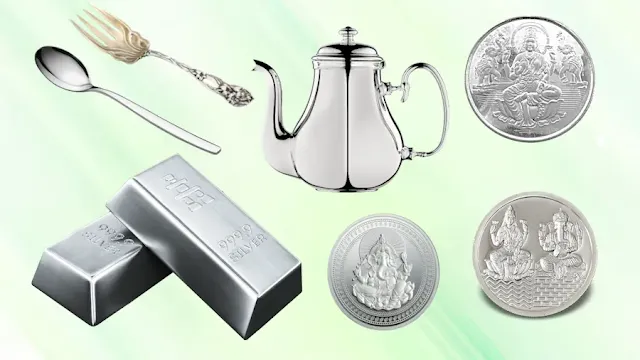
Silver spoons, bowls, plates, cups, and pooja items can usually be easier to carry than sharp silver knives or large heavy serving sets. The real issue is not the silver itself, but whether the item has a blade, sharp point, unusual weight, high value, or customs implications.


For domestic flights, airport security and cabin-bag limits matter most. For international travel, valuable silverware, jewellery, silver bars, gifts, and multiple similar items can also raise declaration and duty questions.

Table of Contents

Quick Answer: Can You Carry Silver Utensils on a Flight?

Non-sharp silver utensils such as spoons, small bowls, cups, plates, and decorative items may be accepted in cabin baggage if they fit airline size and weight limits and clear security screening. Silver knives, sharp serving tools, heavy trays, large sets, and silver bars need more caution.

Silver Item Cabin Baggage Checked Baggage Main Concern
Silver spoon Often easier Usually possible Security inspection and safe packing
Small silver bowl, cup or plate May be possible Usually possible Weight, size and fragility
Silver fork May depend on shape and security discretion Usually possible Pointed tines or sharp edges
Silver knife or carving set Do not pack May be possible if securely packed Sharp-object rules
Silver pooja idol May be possible May be possible Value, fragility and customs proof
Silver bar or bullion Do not assume acceptance Do not assume acceptance Customs declaration, value and import rules

Cabin Bag vs Checked Bag for Silver Items

Cabin baggage can be safer for a small valuable silver item because you keep it with you, but security has the final decision. Checked baggage can be better for sharp, oversized, or heavy items, but it carries a higher risk of loss, damage, and rough handling.

Best Choice When It Makes Sense Risk to Watch
Cabin baggage Small non-sharp silver utensils, jewellery, fragile idols, sentimental items Security refusal, weight and cabin-space limits
Checked baggage Sharp silverware only where the airline accepts it, plus larger trays and heavy sets, items unsuitable for the cabin Loss, damage, scratches and weak airline liability limits
Neither without advance checking Silver bars, coins, bullion, commercial quantities, antiques Customs, declaration, duty and legal restrictions

Important: a valuable item is not automatically best in cabin baggage. A sharp silver knife may be valuable, but security rules can still require it to travel in checked baggage or prevent carriage altogether.

Silver Spoons, Bowls, Cups and Plates

Small non-sharp silver spoons, bowls, cups, plates, and similar household items are generally less complicated than sharp silverware. They may still be inspected because metal objects can look dense on an X-ray scan.

Keep the items together in a padded pouch or rigid box. Do not scatter loose spoons, bowls, and small utensils through different pockets of a bag. A neat package makes inspection easier and reduces the chance of scratching or loss.

Items that may be easier to carry

  • Small silver spoons
  • Baby-feeding silver bowls and cups
  • Small pooja plates or thalis
  • Silver tumblers and katoris
  • Decorative non-sharp silver items
  • Compact silver gift sets

Large, unusually heavy, pointed, or ornate items can receive closer scrutiny. The security officer at the checkpoint makes the final decision.

Silver Knives, Forks and Sharp Items

Material does not matter as much as shape. A silver knife is still a knife, and a sharp serving tool can still be treated as a prohibited cabin item.

IndiGo lists knives, scissors, Swiss Army knives, and other sharp instruments as prohibited in cabin baggage. Air India also advises passengers not to carry prohibited sharp items such as pocketknives and pointed scissors in cabin bags.

Do not pack silver knives, carving sets, sharp forks, or pointed serving tools in hand luggage. Put them in checked baggage only after checking the airline’s current policy and wrapping the item so it cannot injure a baggage handler or cut through the bag.

Items that need extra caution

  • Silver table knives
  • Carving knives
  • Sharp cheese knives
  • Pointed skewers or serving picks
  • Decorative daggers or ceremonial blades
  • Large forks with sharp tines
  • Sharp-edged silver tools or cutters

Silver Pooja Items and Religious Articles

Silver idols, diyas, pooja thalis, bells, bowls, and other religious articles may be easier to carry when they are small, non-sharp, and securely packed. Security may inspect them because of their metal density, especially if an item is solid or unusually shaped.

For a fragile silver idol or diya, cabin baggage may be safer than checked baggage where permitted. Wrap each item separately and keep it accessible for inspection. Do not carry oil, ghee, camphor, dry coconut, or sharp ceremonial items without checking the separate rules for those materials.

See Pooja Items on India Flights: What’s Allowed and How to Pack and Can You Carry Murti on Flights? Hindu Idol Cabin Bag vs Checked Bag Rules.

Large Silver Sets, Trays and Teapots

Large silver trays, tea sets, serving bowls, wedding gifts, and decorative pieces can be difficult to carry in the cabin even if they are not sharp. Their size, weight, shape, and ability to fit under a seat or in an overhead bin all matter.

Airlines can require a bulky item to be checked, and a heavy silver set can push your bag over the cabin-baggage limit. Before travel, measure the packed box and compare it with your airline’s current baggage allowance.

Check these points before carrying a large silver item

  • Cabin-baggage weight limit.
  • Cabin-baggage dimensions.
  • Whether the item has sharp, protruding, or detachable parts.
  • Whether the package can fit safely under the seat or overhead bin.
  • Whether the item is too valuable or fragile for checked baggage.
  • Whether the airline recommends special baggage handling.
Silver utensils packed in carry-on luggage

Wedding gift tip: for a large silver set, consider carrying only the most valuable or fragile piece in cabin baggage where permitted and shipping or checking the rest in insured protective packaging.

Silver Jewellery and Valuable Silverware

Silver jewellery, heirloom utensils, antique silverware, engraved gifts, and collectible pieces need more care than ordinary household silver. Their value can matter to Customs, while their sentimental value can make checked-baggage loss especially painful.

Where security rules allow, small jewellery and non-sharp valuables are often safer in cabin baggage. Keep receipts, valuation documents, photographs, and prior customs paperwork separate from the item itself.

For valuable goods taken out of India and brought back later, an export certificate may help establish prior ownership. Read India Customs Export Certificates: Traveler Guide for Valuables.

Silver Bars, Coins and Bullion

Silver bars, coins, bullion, ingots, and investment-grade silver are different from ordinary utensils. They can raise customs, declaration, duty, value, and import questions even when packed safely.

India’s Baggage Rules exclude gold or silver in any form other than ornaments from the general free allowance. That does not mean every silver item is prohibited, but it means silver bars and bullion should not be treated like ordinary personal household goods.

Do not travel internationally with silver bars or bullion without checking current customs rules first. Carry invoices, purity details, weight information, valuation proof, and any required declaration documents. Use the Red Channel or ask Customs when you are unsure.

For related guidance, see How Much Gold Can You Bring to India? Duty-Free Limits, NRI Rules and Customs Guide and Can I Take Gold Biscuit to India? Customs Rules, Duty and Limits.

Domestic vs International Flight Rules

Route Type Main Question What Matters Most
Domestic India flight Can the item pass security and meet baggage limits? Sharp edges, weight, size, packing, airline rules
International departure from India Can the item leave India and travel safely? Security, airline acceptance, export and documentation issues
International arrival in India Must the silver be declared or assessed for duty? Value, quantity, form, purpose, ownership and current Customs rules
Transit airport Will another country inspect the item? Transit screening and local customs rules if baggage is collected

Domestic flights mainly involve security screening and airline baggage rules. International flights add Customs questions. A silver bowl that is simple on a Delhi-to-Mumbai flight may require invoices or declaration review when brought from abroad.

Customs Declaration and Duty Questions

There is no universal rule that every silver spoon, bowl, plate, or idol must be declared. Customs treatment depends on the item’s value, quantity, form, route, purpose, and whether it appears to be a personal effect, gift, commercial good, or precious-metal import.

A single used household silver item may be easier to explain than a boxed set of new matching pieces or several silver bars. The safest move for any high-value or uncertain item is to carry documents and ask Customs rather than trying to guess.

Bring these documents where relevant

  • Original purchase invoice.
  • Jeweller or valuer certificate.
  • Photos showing prior ownership.
  • Insurance documents for high-value pieces.
  • Customs Export Certificate for items previously taken out of India.
  • Duty receipt for previously declared imported items.
  • Gift documentation where the item is a wedding or family gift.

See India Customs Red Channel vs Green Channel, What Should Be Declared at Indian Customs?, and Indian Customs Declaration Form.

How to Pack Silver Items Safely

  1. Wrap every utensil separately in soft cloth, anti-tarnish fabric, or bubble wrap.
  2. Use a rigid box for bowls, cups, idols, trays, or delicate serving pieces.
  3. Keep sharp items sheathed or fully covered before placing them in checked baggage.
  4. Do not place heavy silver pieces against suitcase edges, zips, or thin fabric.
  5. Use cabin baggage for small permitted fragile valuables where practical.
  6. Use checked baggage only for items unsuitable for cabin carriage.
  7. Take photographs before travel, especially for antiques, engraved gifts, and heirlooms.
  8. Keep invoices and valuation papers in a separate document pouch.
  9. Do not rely on a “fragile” sticker alone to protect a checked bag.
  10. Check airline liability limits before placing expensive silverware in checked baggage.

Mistakes to Avoid

  • Packing silver knives or sharp serving tools in cabin baggage.
  • Assuming a silver item is accepted because it is a religious gift or family heirloom.
  • Putting a large silver tray in a cabin bag without checking dimensions and weight.
  • Travelling internationally with silver bars, coins, or bullion without paperwork.
  • Using the Green Channel when you are unsure whether a high-value item is dutiable.
  • Leaving invoices and valuation papers inside checked baggage.
  • Packing silver utensils loose where they can scratch, dent, or disappear.
  • Assuming one airport’s security decision will apply at every airport.
  • Carrying multiple boxed silver sets without considering commercial-import questions.
  • Putting valuable silverware in checked baggage without considering loss and liability limits.

Bottom Line

Small non-sharp silver utensils may be easier to carry in cabin baggage, while silver knives, pointed tools, oversized items, and heavy sets are better handled as checked baggage only when the airline accepts them.

For international travel, treat high-value silverware, jewellery, bars, coins, and multiple new items as a Customs question as well as a baggage question. Carry proof of ownership, ask when unsure, and do not rely on old advice about precious-metal allowances.

Frequently Asked Questions

Can I carry silver spoons in hand baggage?

Small silver spoons may be accepted in hand baggage if they clear security screening and fit within cabin-baggage rules. Pack them together in a protective pouch for easier inspection.

Can I carry silver forks in cabin baggage?

It depends on the fork shape and security officer’s decision. A fork with sharp or aggressive tines may receive more scrutiny, so checked baggage can be safer for unusual serving forks.

Are silver knives allowed in hand luggage?

No. A silver knife is still a sharp object and should not be packed in cabin baggage. Check your airline’s rules before placing it in checked baggage.

Can I carry a silver pooja idol on a flight?

A small non-sharp silver idol may be possible in cabin or checked baggage, but it can be inspected at security. Valuable items should be packed carefully and supported by proof of ownership where relevant.

Can I carry silver utensils on an international flight?

Often yes, but international travel adds Customs and declaration questions. Valuable silverware, multiple new sets, silver bars, and items bought abroad may need documentation or declaration.

Do I need to declare silver utensils at Indian Customs?

Not every utensil requires declaration, but value, quantity, purpose, and the form of silver matter. Ask Customs or use the Red Channel when you are unsure about a high-value or dutiable item.

Can I carry silver bars in cabin baggage?

Do not assume silver bars can be carried like ordinary utensils. They can trigger Customs, declaration, and duty questions, so check current official rules and carry full documentation before travel.

Is cabin baggage safer for valuable silverware?

For a small non-sharp valuable item that security allows, cabin baggage can reduce the risk of checked-baggage loss or damage. Sharp, oversized, or heavy pieces may still need checked baggage or another transport option.

Can You Wear a Gold Chain Through Indian Customs?

Updated: July 02, 2026

Can You Wear a Gold Chain Through Indian Customs? Rules Explained

You can wear a gold chain while flying to India, but wearing it does not automatically make it duty-free or exempt from customs questions. Customs may consider the weight, value, ownership history, purpose of travel, time spent abroad, and whether the jewellery is within your eligible allowance.


The safest approach is simple: know whether the jewellery is your old personal item or a new purchase, carry proof where available, and declare anything dutiable or above the relevant allowance through the Red Channel.

Table of Contents

Quick Answer: Can You Wear a Gold Chain Through Indian Customs?

Yes, you can wear a gold chain through Indian Customs, but customs rules still apply. Jewellery worn on the body can still be examined, assessed, declared, or charged duty if it is new, imported from abroad, exceeds your eligible allowance, or appears to be more than personal jewellery for normal use.

For eligible Indian residents or tourists of Indian origin who have lived abroad for more than one year, the current special duty-free jewellery allowance is up to 40 grams for a female passenger and up to 20 grams for a passenger other than a female passenger.

That allowance applies to jewellery in bona fide baggage. It does not automatically cover all gold worn on the body, all new jewellery, commercial quantities, gold bars, gold coins, or jewellery that customs treats as dutiable.

Why Wearing Gold Does Not Change Customs Rules

There is no separate customs exemption simply because gold jewellery is being worn instead of packed in hand baggage or checked baggage.

A gold chain, bracelet, ring, necklace, earrings, or bangle may still be examined by Customs. Officers may ask whether it was purchased abroad, whether it was originally taken from India, whether it is for personal use, and whether it falls within a duty-free allowance.

Do not assume worn jewellery is invisible to Customs. Wearing a chain under clothing, splitting jewellery among family members, or placing it in personal pockets does not remove declaration obligations where duty is payable.

Duty-Free Gold Jewellery Allowance

India’s Baggage Rules provide a special duty-free jewellery allowance for certain passengers returning after living abroad for more than one year.

Eligible Passenger Duty-Free Jewellery Allowance Important Condition
Female passenger Up to 40 grams Must qualify under the special jewellery allowance
Passenger other than a female passenger Up to 20 grams Must qualify under the special jewellery allowance

The allowance is based on weight. It is separate from the general baggage allowance for ordinary goods and cannot simply be pooled with another traveller’s allowance.

Important: the special allowance is not available merely because a person has a foreign address or arrives on an international flight. The passenger must meet the residence-abroad condition stated in the Baggage Rules.

Who Can Use the Special Jewellery Allowance?

The special duty-free jewellery allowance is available to a resident or tourist of Indian origin residing abroad for more than one year and returning to India.

Customs may examine travel history, passport records, immigration stamps, overseas residence, and the purpose of travel where needed. A short trip abroad does not create a fresh jewellery allowance.

Passengers should not assume eligibility when

  • They have lived abroad for less than one year.
  • They are arriving after a short holiday or temporary visit overseas.
  • They are carrying gold for another person.
  • They are carrying jewellery in quantities that look commercial.
  • They are bringing coins, bars, biscuits, or bullion instead of jewellery.
  • They cannot explain the source, ownership, or intended use of the gold.

Personal Jewellery Taken From India and Brought Back

Jewellery that you already owned in India and took abroad for personal use is different from jewellery newly bought abroad. However, proving that distinction can be difficult when the item is high value or unusually heavy.

Passengers carrying expensive jewellery out of India are advised to declare it before departure and obtain an Export Certificate from Customs. This can make re-import easier because the jewellery has already been recorded as an item taken out from India.

Keep invoices, valuation certificates, photographs, hallmark details, and any prior customs export certificate. These documents do not guarantee a particular outcome, but they can help establish that the jewellery was not newly imported.

Best proof for old personal jewellery

  • Customs Export Certificate obtained before departure.
  • Original purchase invoice or jeweller valuation certificate.
  • Clear dated photographs showing the jewellery in your possession before travel.
  • Hallmark, serial number, or identifying features where available.
  • Insurance documents listing the jewellery.
  • Repair or cleaning records from a jeweller.

For high-value jewellery: obtain an Export Certificate before leaving India rather than trying to prove ownership only after returning. This is especially useful for wedding jewellery, heirlooms, diamond sets, and heavy gold pieces.

Gold Jewellery Bought Abroad

Gold jewellery bought outside India is an import when you bring it into India. It may be duty-free only to the extent that it falls within an eligible special allowance. Jewellery beyond that allowance can be dutiable.

Do not assume a foreign invoice, credit-card statement, or personal-use explanation removes duty. Those documents may help Customs assess value and ownership, but they do not automatically create an exemption.

Keep these documents for jewellery bought abroad

  • Purchase invoice with description, weight, purity, and value.
  • Payment proof, such as a card statement or bank record.
  • Jeweller certificate or appraisal document.
  • Travel documents showing duration of stay abroad.
  • Customs declaration records if you declared the item before arrival.

When You Must Declare Gold at Indian Customs

You should declare gold jewellery if it is dutiable, exceeds your eligible duty-free allowance, is beyond ordinary personal-use jewellery, or falls into a category that requires customs assessment.

The current Customs Declaration Form specifically asks whether the passenger is carrying jewellery beyond daily necessities of life or beyond the prescribed special jewellery allowance for an eligible passenger.

Passengers carrying dutiable or prohibited goods should use the Red Channel. Passengers who use the Green Channel while carrying dutiable goods can face penalties, confiscation, and further action under customs law.

When in doubt, declare. A Red Channel declaration is the safer choice when carrying heavy jewellery, newly purchased gold, coins, bars, bullion, multiple jewellery sets, or gold that may exceed an allowance.

How to Declare Gold at the Airport

Passengers carrying dutiable gold or jewellery should complete the customs declaration and proceed through the Red Channel after arrival.

India Customs also allows electronic declaration of dutiable items through the ATITHI mobile application or related customs systems before arrival. Electronic declaration can help, but passengers may still need to present the goods and documents to Customs for verification.

Basic declaration process

  1. Keep the jewellery accessible but secure before arrival.
  2. Complete the customs declaration accurately.
  3. Select the Red Channel when carrying dutiable or declarable gold.
  4. Tell the Customs officer the weight, type, source, and ownership of the jewellery.
  5. Provide invoices, valuation documents, or export certificates where available.
  6. Pay assessed duty where required and retain the official receipt.
  7. Keep declaration and payment records for future travel.

Gold Coins, Bars and Biscuits

Gold coins, bars, biscuits, and bullion are not treated the same way as personal gold jewellery. They do not qualify for the special jewellery allowance.

Eligible passengers of Indian origin or holders of a valid Indian passport may be allowed to bring specified gold, including ornaments, subject to conditions such as minimum overseas stay, payment in convertible foreign currency, quantity limits, declaration, and applicable duty.

Customs guidance states that eligible passengers may bring up to one kilogram of gold, subject to the prescribed conditions. This is not a duty-free allowance. It is a regulated import facility with duty and declaration requirements.

Gold bar warning: do not carry gold bars, coins, biscuits, or bullion through the Green Channel. These items require declaration and can trigger serious consequences if concealed or misdeclared.

Carrying Gold for a Wedding or Family Function

Travelling to India for a wedding, engagement, religious ceremony, or family event does not create an automatic special gold exemption.

Customs may consider whether jewellery is genuinely for personal use, whether it was already owned, whether it was purchased abroad, whether it appears commercial, and whether the passenger has documents supporting the explanation.

A wedding invitation, return ticket, family details, photographs, valuation certificate, and proof of prior ownership may help explain the circumstances. But they do not guarantee duty-free clearance if the jewellery is newly imported or exceeds the applicable allowance.

Helpful documents for wedding jewellery

  • Wedding or event invitation.
  • Return ticket and travel itinerary.
  • Jewellery invoices or valuation certificates.
  • Photographs showing prior ownership or personal use.
  • Customs Export Certificate if the jewellery was taken out of India earlier.
  • Written declaration if the jewellery is dutiable or above the allowance.

How Customs May Check Gold Jewellery

Customs officers can ask questions, inspect baggage, examine jewellery, review declarations, compare travel history, and assess whether goods are being properly declared.

Gold jewellery can be identified through physical examination, invoices, valuation documents, hallmark details, passenger statements, baggage screening, intelligence inputs, or other risk-based checks. Customs does not need to prove that every item was newly bought before asking for clarification.

The issue is usually not whether a chain can pass through airport security. The issue is whether the item is properly declared and whether duty applies at the Indian arrival customs point.

Documents That Can Help

Documents do not replace declaration where declaration is required, but they can reduce confusion and support your explanation.

  • Passport and travel history.
  • Invoice showing purchase date, value, purity, and weight.
  • Jeweller valuation certificate.
  • Insurance certificate for high-value jewellery.
  • Customs Export Certificate for jewellery taken out of India.
  • Photographs showing prior ownership.
  • Payment proof for foreign purchase.
  • Wedding invitation or family-event documentation where relevant.
  • Duty payment receipt for previously declared gold.

What Happens If You Do Not Declare Gold?

Failure to declare dutiable or prohibited goods can lead to detention, seizure, confiscation, penalties, and possible prosecution depending on the facts.

Using the Green Channel is treated as a declaration that you are not carrying dutiable or prohibited goods. If Customs finds undeclared dutiable gold, the explanation that it was “only personal jewellery” may not be enough.

Do not take a chance with undeclared gold. The short-term attempt to avoid duty can become much more expensive if Customs decides the jewellery was concealed, misdeclared, or brought through the wrong channel.

Mistakes to Avoid

  • Assuming worn gold jewellery is automatically exempt.
  • Using a family member’s allowance for jewellery you own.
  • Trying to split one person’s gold among several travellers without genuine ownership.
  • Carrying heavy wedding jewellery without invoices, valuations, or photographs.
  • Buying gold abroad and assuming the invoice removes customs duty.
  • Confusing gold jewellery with gold coins, bars, biscuits, or bullion.
  • Going through the Green Channel while carrying dutiable gold.
  • Relying on old social-media advice about customs allowances.
  • Assuming a previous customs experience guarantees the same result next time.
  • Leaving India with valuable jewellery without obtaining an Export Certificate.

Bottom Line

You can wear a gold chain when arriving in India, but customs rules still apply. Worn jewellery may be examined and may need to be declared if it is newly imported, dutiable, above the applicable allowance, or beyond normal personal-use jewellery.

For valuable jewellery taken out of India, obtain an Export Certificate before departure. For jewellery bought abroad or above an allowance, use the Red Channel, declare accurately, and keep proof of ownership and purchase.

Frequently Asked Questions

Can I wear a gold chain through Indian Customs?

Yes, but wearing it does not automatically make it duty-free. Customs may still examine the chain and ask whether it was bought abroad, taken from India, or above your eligible jewellery allowance.

How much gold jewellery can I bring to India duty-free?

Eligible passengers residing abroad for more than one year may receive a special jewellery allowance of up to 40 grams for a female passenger and up to 20 grams for a passenger other than a female passenger.

Do I have to declare my personal gold jewellery at Indian Customs?

You should declare jewellery that is dutiable, exceeds the special allowance, is beyond normal personal use, or was newly purchased abroad. When unsure, use the Red Channel and ask Customs for assessment.

Can I wear gold jewellery from the USA to India?

Yes, but jewellery bought in the USA is imported when you bring it to India. Duty and declaration may apply depending on your eligibility, weight, value, ownership, and customs assessment.

Can I bring gold coins or bars into India?

Eligible passengers may be permitted to bring specified gold coins or bars subject to conditions, duty payment, declaration, and quantity limits. Gold bars and coins are not covered by the special jewellery allowance.

What happens if I do not declare gold at Indian Customs?

Undeclared dutiable gold can be detained, seized, confiscated, or lead to penalties and possible prosecution depending on the circumstances.

Can I carry gold jewellery for a wedding in India?

You can carry it, but a wedding does not create an automatic duty exemption. Carry invoices, valuations, proof of ownership, travel documents, and declare dutiable jewellery through the Red Channel.

How can I prove that gold jewellery was already mine before travelling?

An Export Certificate from Customs is the strongest practical proof. Invoices, valuations, photographs, insurance records, and hallmark details can also support your claim of prior ownership.

Water Bottle, Tiffin and Thermos on Indian Flights: Security Rules

You can generally carry an ordinary empty water bottle, steel bottle, tiffin box or thermos in your cabin bag on Indian flights. What matt...