Airport Prepaid Taxis in India: The Safest Way to Leave the Airport

Updated: April 02, 2026

Airport Prepaid Taxis in India: The Safest Way to Leave the Airport

Is it safe to take an airport taxi in India?

Landing at Mumbai’s Chhatrapati Shivaji Maharaj International Airport late at night as a solo female traveler, I felt nervous about finding a reliable ride. Friends had warned me about taxis overcharging tourists or taking longer routes to increase fares.

Instead of negotiating outside the terminal, I chose a prepaid airport taxi. The experience was simple: I paid a fixed fare at an official airport booth, received a printed slip with driver details, and reached my hotel without stress.

That first experience taught me something important: prepaid taxis are the safest and most reliable option for first-time travelers in India.

Prepaid fares are all-inclusive, covering tolls, baggage, and tips.

What Is a Prepaid Taxi?

A prepaid taxi is an official airport taxi service where passengers pay the fare in advance at a government-authorized booth inside the airport. Instead of negotiating with drivers, the price is fixed based on your destination.

  • Pay at the official counter
  • Receive a printed receipt with driver details
  • Driver cannot change the price
  • No surprise charges later

This system is widely used at major airports across India to protect travelers from taxi scams and ensure safe transportation.

Prepaid Taxis at Delhi Airport

Delhi’s Indira Gandhi International Airport has one of the most organized prepaid taxi systems in India. The counters are run by the Delhi Traffic Police and located inside the arrival terminals.

  • Fixed fare based on city zones
  • Receipt with driver details
  • 24-hour availability
  • Safer for late-night arrivals

This system makes Delhi Airport one of the easiest places in India to find a safe taxi after landing.

Prepaid Taxis at Mumbai Airport

Mumbai’s Chhatrapati Shivaji Maharaj International Airport offers prepaid taxi services, with booths sometimes located outside the domestic terminal, as detailed on Mumbai Airport’s site. Metered radio taxis like Meru or Mega Cabs are also available, requiring an airport surcharge paid at the booth. Passengers receive a slip with driver and vehicle information, ensuring a secure journey.

Prepaid Taxis at Bangalore Airport

opiniones de clientes

Bangalore’s Kempegowda International Airport provides prepaid taxi services, including metered options like Meru and Mega Cabs, as referenced in Bangalore Airport’s transport page and local taxi services. Located inside the terminal, these booths offer fixed fares and GPS-tracked vehicles, making them a safe and convenient choice for travelers.

Why Choose Prepaid Taxis?

Prepaid taxis are designed to protect travelers from common taxi scams. Because the fare is paid in advance, drivers cannot negotiate higher prices or take longer routes to increase the meter.

Main Benefits of Prepaid Airport Taxis
  • Fixed government-approved fare
  • Verified drivers
  • Official booking system
  • Vehicle and driver details on receipt
  • Safer for solo travelers

This system is particularly helpful for international travelers who may not be familiar with local taxi practices.

How to Book a Prepaid Taxi

Booking a prepaid taxi is simple. Follow these steps after you land:

  1. Exit the arrivals terminal.
  2. Look for the official prepaid taxi counter.
  3. Tell the staff your destination.
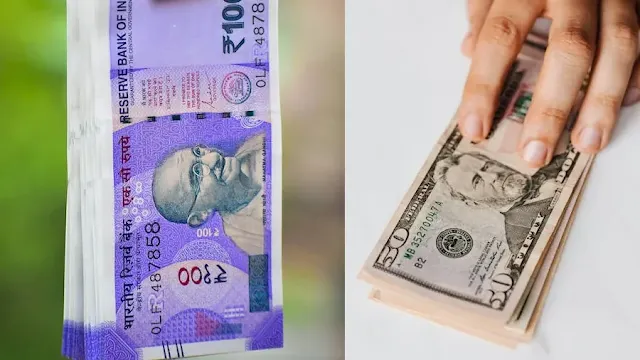
  4. Pay the fixed fare in Indian Rupees.
  5. Receive your printed receipt.
  6. Proceed to the taxi queue and match your driver.

Always keep your receipt until the ride is finished.

Prepaid Taxi vs Uber

Feature Prepaid Taxi Uber / Ola Street Taxi
Fixed Fare Yes Dynamic pricing No X
Driver Verified Yes Yes Sometimes
Safe for First-Time Travelers Best option Good Risky
Payment Pay at booth App payment Cash negotiation

Common Taxi Scams to Avoid

While most taxi drivers in India are honest, some scams target tourists arriving at airports.

  • "Your hotel is closed" – Driver tries to take you to another hotel.
  • Meter not working – Driver demands a higher price.
  • Extra luggage charges – Not valid for prepaid taxis.
  • Toll road fees – Already included in prepaid fares.

Using an official prepaid taxi eliminates most of these risks.

Important Taxi Safety Tips for Travelers

  • Only book taxis from official airport booths.
  • Match the vehicle number with your receipt.
  • Share your ride details with a friend or family member.
  • Avoid accepting rides from drivers approaching you inside the terminal.
  • Keep small Indian Rupee notes for payments.

Following these tips will help ensure a safe and stress-free ride to your hotel.

Final Thoughts

For travelers visiting India for the first time, airport transportation can feel intimidating. Prepaid taxis provide a safe, transparent, and reliable way to reach your hotel without negotiating fares or worrying about scams.

If you want the simplest and safest option after landing, choose a prepaid airport taxi for your first ride. Once you are familiar with the city, you can explore other transportation options like Uber or Ola.

Frequently Asked Questions

Is it safe to take an airport taxi?

Yes, prepaid airport taxis in India are safe, featuring verified drivers, fixed fares, and GPS tracking, making them reliable for all travelers.

What are the advantages of prepaid taxis?

Prepaid taxis provide verified drivers, fixed fares, GPS tracking, and official booking systems, ensuring safety and transparency compared to regular taxis.

Are airport taxis safer than Uber?

Prepaid airport taxis are often safer due to verified drivers and GPS tracking, though Uber is convenient if you take precautions like checking driver ratings.

Is it safe to get a taxi from Delhi Airport?

Yes, Delhi Airport’s prepaid taxis, managed by Delhi Traffic Police, offer fixed fares and verified drivers for a secure ride.

Is it easy to get a taxi at Mumbai Airport?

Yes, Mumbai Airport has prepaid and metered radio taxi booths inside and outside terminals for easy, safe bookings.

Does Bangalore Airport have prepaid taxi service?

Yes, Bangalore’s Kempegowda International Airport offers prepaid taxi services with fixed fares and GPS-tracked vehicles.

Are tolls included in prepaid cabs?

Yes, prepaid taxi fares are all-inclusive, covering tolls, so drivers should not request additional payments.

Is baggage included in prepaid taxis?

Yes, prepaid taxi fares include baggage, and no extra charges should apply for luggage.

Is tip included in prepaid taxis?

Yes, prepaid taxi fares are all-inclusive, including tips, so additional tipping is not required.

Where do you complain if anything goes wrong with prepaid drivers?

Complaints can be lodged at the airport’s prepaid taxi booth or with the airport authority. For Delhi, contact Delhi Traffic Police via their helpline or website.

Can You Bring a Water Bottle on a Flight in India? (2026 Rules)

Updated: April 02, 2026
Is water bottles now allowed through security at Indian Airports?

Last year, while rushing through Delhi airport for a flight to Mumbai, I carried my favorite reusable water bottle — only to wonder at security: Empty or full? Plastic or metal? After multiple trips and checking official BCAS, Air India, and IndiGo guidelines, here’s the clear answer.

Short answer: Yes — empty water bottles (any size, plastic or metal) are allowed in carry-on luggage. Full bottles or any liquid over 100ml will be confiscated at security.

Key Rule (2026): Liquids, Aerosols & Gels (LAGs) in carry-on must be in containers ≤100ml each, all fitting in one transparent 1-litre resealable bag. Empty reusable bottles are exempt from this limit.

Quick Rules Cheat Sheet: Never Use / Use Instead

Never Do ThisUse Instead
Carry a full water bottle (>100ml) through securityEmpty your bottle completely before security
Bring a 500ml or 1L sealed bottled waterBuy water after security or refill at airport stations
Hide a partially filled bottleDrink it up or empty it — security checks capacity, not just content
Assume rules are relaxed at smaller airportsAlways empty — enforcement can vary but rules are strict
Carry liquids in non-transparent bottles for the 100ml bagUse clear 100ml travel bottles in one ziplock bag

Water Bottle Rules for Flights in India

Indian airports follow Bureau of Civil Aviation Security (BCAS) guidelines, aligned with international standards. Empty water bottles of any size and material are permitted in carry-on luggage. Once through security, most major airports provide water refill stations or fountains.

Full bottles or containers larger than 100ml are not allowed in hand baggage, even if partially filled.

Air India Water Bottle Policy

Air India follows standard LAG rules: Liquids must be in ≤100ml containers inside a 1-litre clear bag. Empty reusable bottles are allowed. Refill after security. Check your specific terminal for water stations.

IndiGo’s Liquid Restrictions

IndiGo applies the same 100ml rule. Empty bottles are fine; full ones are not. Passengers are encouraged to use airport refill points.

Can You Bring a Metal Water Bottle?

Yes — empty stainless steel or metal water bottles are fully allowed in carry-on. They go through the X-ray like any other empty container. Just ensure they are completely empty at security screening.

Airport Security and Water Refill Stations

Security may vary slightly by airport and staff, but the official rule remains consistent: empty your bottle. Major airports like Delhi (DEL), Mumbai (BOM), Bengaluru (BLR), and Hyderabad have multiple water refill stations and fountains after security. Some are sensor-activated and contactless.

Pro Tips for a Hassle-Free Journey

  • Empty your bottle before joining the security queue — saves time and arguments.
  • Carry a collapsible or lightweight bottle to save space.
  • Download your airline app for terminal maps showing refill stations.
  • For international flights departing India, the same 100ml rule usually applies at Indian security.
  • Medicines, baby food, and prescribed items are exempt with documentation.

Frequently Asked Questions

Can I carry a water bottle on a flight in India?

Yes, as long as it is completely empty when passing through security. You can refill it airside.

Can we carry a water bottle in Air India or IndiGo flights?

Yes — both airlines allow empty water bottles in carry-on. Full bottles over 100ml are not permitted.

Are full water bottles allowed through Indian airport security?

No. Any liquid in a container larger than 100ml will be confiscated, even if sealed.

Can you take a metal or stainless steel water bottle on a plane in India?

Yes, empty metal bottles are allowed and treated the same as plastic ones.

Where can I refill my water bottle after security in Indian airports?

Most major airports have dedicated refill stations and drinking fountains in the departure lounges (e.g., Delhi T3, Mumbai T2, Bengaluru).

Is drinking water safe at Indian airport refill stations?

Generally yes at major airports, but many travelers prefer to buy sealed bottles or use purification tablets for extra caution.

Check out these related guides:

Importing Firearms into India: Rules, TR Concession, Duties & Legal Guide

Updated: April 01, 2026
Importing Arms & Ammo into India

Importing firearms into India is highly regulated and largely restricted. However, there are specific legal pathways available for individuals—especially returning residents and competitive shooters. This guide breaks down everything you need to know, from eligibility and licensing to customs duties and compliance requirements.

Key Rules Overview

Never Allowed Allowed Under Conditions
Commercial firearm imports Transfer of Residence (TR)
Prohibited bore weapons Non-prohibited bore firearms
Unlicensed imports Licensed sporting imports

Transfer of Residence (TR)

The Transfer of Residence rule allows returning Indians to bring one firearm under strict conditions.

Eligibility Requirements

  • Minimum 2 years stay abroad
  • Firearm owned for at least 1 year
  • Only one firearm allowed
  • Must be Non-Prohibited Bore (NPB)

Key Restrictions

  • No sale, gifting, or transfer for lifetime
  • High customs duty applies
  • Strict licensing compliance required

Transfer of Residence: Importing Guns to India

Renowned Shooters Category

Elite shooters recognized by the National Rifle Association of India (NRAI) enjoy special privileges.

Benefits

  • Duty-free firearm imports
  • Up to 15,000 rounds of ammunition annually
  • Access to competition-grade equipment

Eligibility

  • Must achieve Minimum Qualifying Score (MQS)
  • Official NRAI certification required

Standard Import Procedure

  1. Declare firearm at Customs Red Channel
  2. Weapon is detained temporarily
  3. Apply for Indian Arms License
  4. Pay applicable customs duty
  5. Receive clearance and release

Additional Restrictions

  • Air guns allowed only for rifle club members
  • Maximum 50 cartridges for regular passengers
  • Must match licensed caliber

Firearm imports are governed by:

  • Arms Act of 1959
  • Arms Rules of 2016
  • Ministry of Home Affairs guidelines

Customs Duties

Duty Insights

  • Approx. 150% ad valorem duty
  • Additional GST and cess
  • Varies based on firearm value

Challenges

  • High import costs
  • Complex compliance
  • Strict documentation required

Gun Ownership in India

Allowed Firearms

  • .22 caliber handguns
  • Shotguns and rifles (NPB category)

Prohibited Firearms

  • 9mm, .45 ACP, .303
  • Automatic and semi-automatic weapons
  • Military-grade firearms

Frequently Asked Questions

Can we import guns from the USA to India?

Yes, but only under TR rules or as a renowned shooter, with strict licensing and approvals.

How much tax is on firearms in India?

Taxes can reach up to 150% plus GST and additional cesses depending on value.

Can I carry my licensed gun in India?

Yes, but only within permitted areas and conditions specified in your license.

How many guns can you own in India?

Typically up to two firearms per individual under current laws.

Do you have to surrender guns during elections?

In many regions, authorities may temporarily require surrender for public safety.

Which guns can I legally buy in India?

Only non-prohibited bore firearms like .22 pistols and certain rifles are allowed.

How common are guns in India?

Legal gun ownership is relatively low compared to many countries due to strict laws.

Indian Currency Regulations for Travelers: Limits, Rules & Declaration Guide

Updated: April 01, 2026
Indian currency regulations for travelers

Planning an international trip to or from India? Understanding currency regulations is essential to avoid delays, penalties, or confiscation at customs. Whether you're carrying Indian Rupees, foreign cash, or even gold, there are clear rules you need to follow.

This guide simplifies everything—from INR limits to declaration requirements—so you can travel smoothly and stay fully compliant.

Indian currency regulations for travelers

Indian Currency (INR) Rules

Rule Limit Details
Entry/Exit Limit ₹25,000 Applies per person including tourists and NRIs
Excess Amount Above ₹25,000 Must be declared to customs
Restrictions ₹500+ notes to Nepal Prohibited for travel to Nepal

Important: Travelers can carry up to ₹25,000 in Indian currency when entering or leaving India.

Foreign Currency Regulations

Entering India

  • No limit on bringing foreign currency
  • Declaration required if:
  • Cash exceeds USD 5,000
  • Total (cash + cheques) exceeds USD 10,000

Leaving India

  • Tourists can carry unused foreign currency
  • Amount must match what was declared on arrival

Always keep your Currency Declaration Form (CDF) safely—it may be required when exiting India.

Gold and Valuable Items

Passenger Type Gold Limit Max Value
Male Travelers 20 grams ₹20,000
Female Travelers 40 grams ₹40,000

Carrying gold beyond these limits may result in customs duty or penalties.

Customs Declaration Rules

Use Green Channel

  • If within duty-free limits
  • No restricted items

Use Red Channel

  • If carrying excess currency
  • If bringing gold or restricted goods

Smart Tips for Travelers

  • Fill out the Currency Declaration Form if required
  • Use the ATITHI app for quick declarations
  • Exchange money only via authorized dealers
  • Keep receipts and documents handy
  • When unsure, declare to avoid penalties

Frequently Asked Questions

How much Indian currency can I carry?

You can carry up to ₹25,000 per person when entering or leaving India.

Is there a limit on foreign currency?

No limit, but amounts exceeding USD 5,000 cash or USD 10,000 total must be declared.

What is a Currency Declaration Form?

It is a form required to declare large amounts of foreign currency when entering India.

Can tourists take foreign currency out of India?

Yes, up to the amount declared at the time of entry.

What happens if I don’t declare excess currency?

It may be confiscated and could lead to penalties or legal action.

Can I carry gold into India duty-free?

Yes, within specified limits: 20g for men and 40g for women.

Pooja Items on India Flights 2026: What's Allowed, What's Not & How to Pack Smart

Updated: April 01, 2026
Flying with Pooja Items in India in 2026: Rules, Restrictions & Packing Tips Pooja items for travel on India flights
A few years ago, I was flying from Mumbai to Tirupati for a family pilgrimage. My mother had carefully packed a brass Ganesha idol, a small bottle of ghee, two diyas, and a packet of agarbatti — all neatly wrapped in a cloth pouch. At the security checkpoint, the ghee was flagged, the agarbatti were confiscated, and we held up the entire queue for twenty minutes while trying to explain each item. We made our flight, barely. Since then I have made it a point to research exactly what is and is not allowed before any pilgrimage trip. This guide is everything I wish I had known that day.

Quick Reference: Allowed vs. Not Allowed

Use this table for a fast check before you pack. Items marked Conditional are allowed in one type of baggage but not the other, or require special steps.

Pooja Item Cabin Baggage Checked Baggage Notes
Metal / Stone God Idols Allowed Allowed Declare precious metal idols at customs if value exceeds duty-free limit
Diyas (empty, oil-free) Allowed Allowed Must be completely dry with no trace of oil or ghee
Ghee Not Allowed Allowed Flammable liquid; use sealed, leak-proof container in checked bag
Agarbatti (incense sticks) Not Allowed Allowed Flammable solid; check destination country import rules for international flights
Camphor (Kapoor) Not Allowed Conditional Classified as flammable solid; small sealed quantities allowed in checked baggage only
Coconut (whole, husk-on) Conditional Allowed Permitted domestically; restricted in many countries for international flights
Kumkum / Haldi / Sindoor Allowed Allowed Pack in sealed bags to avoid spillage; security may swab-test powders
Flowers & Garlands Allowed Allowed Domestic only; most countries restrict fresh plant material at international borders
Panchamrit (milk, honey, curd mix) Conditional Allowed Cabin baggage subject to 100 ml liquid rule; over 100 ml must go in checked bag
Kirpan / Ceremonial Sword Not Allowed Conditional Requires prior airline approval; must be sheathed and declared
Sandalwood Paste / Chandan Conditional Allowed If in paste form, subject to 100 ml liquid/gel rule for cabin baggage
Holy Water (Gangajal) Conditional Allowed Subject to 100 ml liquid rule in cabin baggage; larger quantities in checked bag

General Guidelines for Carrying Pooja Items

Most airlines in India allow pooja items, but restrictions depend on the item's material, flammability, and whether it is packed in cabin or checked baggage. The Bureau of Civil Aviation Security (BCAS) governs domestic flight security in India, while international flights additionally follow the regulations of the destination country.

Metal and Stone God Idols

Metal god idols — such as those of Ganesha, Lakshmi, or Balaji — are permitted in both cabin and checked baggage for domestic and international flights. For cabin baggage, place the idol in a clear plastic pouch or transparent container to make X-ray screening faster and reduce the need for direct handling by security staff. If the idol is made of gold, silver, or another precious metal, check whether its value exceeds the customs duty-free limit for your route.

Diyas and Oil Lamps

Empty diyas with no oil or ghee residue are allowed in cabin baggage. Before packing, wipe the interior thoroughly and ensure there is no trace of flammable liquid. Diyas containing oil or ghee must be placed in checked baggage in a sealed, leak-proof container. Decorative clay diyas are fragile — wrap them individually in bubble wrap or soft cloth before placing in your carry-on.

Ghee and Sacred Liquids

Ghee is classified as a flammable liquid and is not permitted in cabin baggage under any circumstances. Pack it in checked baggage using a sealed, double-wrapped container to prevent leakage. Similarly, larger quantities of holy water (Gangajal), panchamrit, or other sacred liquids must go in checked baggage. Containers of 100 ml or less can be carried in cabin baggage within the standard transparent 1-litre liquid bag.

Powders: Kumkum, Haldi, and Sindoor

Kumkum, turmeric (haldi), and sindoor are permitted in both cabin and checked baggage. However, security officers may run an additional swab or explosive trace detection (ETD) test on powders, especially at major airports. Pack these items in tightly sealed zip-lock bags and place them in a clear outer pouch for faster screening. Large quantities of powder (over 350 g) in carry-on bags may attract additional scrutiny per BCAS guidelines aligned with international standards.

Important: BCAS guidelines align with ICAO and international aviation security standards. Any item that can be ignited, is corrosive, or can be used as a weapon is subject to restriction regardless of its religious significance. When in doubt, pack it in checked baggage.

Security Rules for Religious Items

Security screening of religious items follows the same process as all other baggage. There is no exemption for religious articles, though officers are trained to handle them with care when informed of their significance.

X-Ray Screening

Place all pooja items in a separate bin when going through the X-ray conveyor. Inform the security officer before the item goes through the machine if it holds special significance and you would prefer minimal direct handling. Officers can request a physical inspection of any item that appears unclear on the X-ray monitor. You may observe this inspection but cannot refuse it.

ETD and Powder Testing

Powders, pastes, and granular substances like kumkum, camphor, and dhoop may be swabbed for explosive trace detection. This is a standard procedure at Indian airports and is not a cause for concern. Carry original packaging where possible, as branded labels help security officers identify items quickly.

Sharp and Ceremonial Items

Ceremonial items with blades or sharp edges — including kirpans, ritual knives, and ceremonial swords — are strictly prohibited in cabin baggage. They must be carried in checked baggage with prior written approval from the airline. The item must be sheathed, securely packed, and declared at check-in. Contact your airline at least 48 hours before travel to arrange this.

Tip: Arriving at the airport 30 to 45 minutes earlier than usual when traveling with multiple pooja items gives you enough buffer time if secondary screening is required at the security checkpoint.

Airline-Specific Policies

All major Indian carriers follow BCAS regulations, but each may have specific provisions for handling religious items. The table below summarizes key policies. Always confirm directly with your airline before travel, as policies are updated periodically.

Airline Idols in Cabin Ghee / Flammables Fragile Items Special Notes
Air India Allowed Checked baggage only Cabin bag recommended Precious metal idols must be declared at customs for international routes
IndiGo Allowed Checked baggage only Cabin bag recommended Contact customer service in advance for oversized or high-value religious items
Vistara / Air India Express Allowed Checked baggage only Cabin bag recommended Follows standard BCAS rules; business class passengers receive more cabin baggage space
SpiceJet Allowed Checked baggage only Cabin bag recommended Camphor and agarbatti must be packed securely; loose items may be confiscated
Akasa Air Allowed Checked baggage only Cabin bag recommended Follows BCAS regulations; contact support for non-standard religious items

Agarbatti & Incense on International Flights

Solid agarbatti (incense sticks) and dhoop cones are classified as flammable solids under IATA Dangerous Goods Regulations. This means they are not permitted in cabin baggage on any flight — domestic or international. In checked baggage, small quantities for personal use are generally accepted.

For international flights, an additional layer of complexity applies. The destination country's customs authority may prohibit the import of plant-based materials, including certain incense ingredients. Countries with strict agricultural biosecurity laws — such as the USA, Australia, New Zealand, and EU nations — may confiscate agarbatti at customs even if they were lawfully checked in India.

Warning: Commercially packaged, sealed agarbatti that lists all ingredients stands a better chance of clearing international customs than loose or handmade incense sticks. Always check the import rules of your destination country on their official customs or agriculture authority website before packing incense in checked baggage for international travel.

International Flights: Extra Rules to Know

Traveling from India to destinations abroad with pooja items requires awareness of rules at both ends — India's export regulations and the destination country's import restrictions.

Antiquities and Cultural Heritage Items

Under the Antiquities and Art Treasures Act, 1972, exporting antique religious items from India (generally those over 100 years old) without a permit from the Archaeological Survey of India (ASI) is illegal. Security and customs at Indian international airports are trained to identify such items. Modern reproductions are not restricted, but carry a purchase receipt if the item is valuable.

Coconuts on International Flights

Whole coconuts are a common pooja item but are restricted or banned by many countries as part of agricultural biosecurity measures. The USA, UK, Australia, and most Gulf countries have restrictions on importing whole coconuts. For international travel, it is safest to leave the coconut behind or purchase one at your destination.

Flowers and Fresh Plant Material

Fresh flowers and garlands are allowed on domestic flights but are restricted at international borders in most countries. Dried flowers are more likely to clear customs, but even these may be subject to inspection. Carry malas or garlands made of fabric or synthetic materials as a practical alternative for international pilgrimage trips.

Customs Declaration for High-Value Items

Passengers carrying religious items made of precious metals must be aware of India's customs duty-free limits. As of 2025, the following thresholds apply for passengers arriving in India from abroad:

Passenger Type Duty-Free Allowance (Goods Including Jewellery)
Adult male passenger Up to INR 50,000
Adult female passenger Up to INR 1,00,000
Child (under 10 years) Up to INR 15,000

If your idols or pooja articles made of gold, silver, or gemstones exceed these limits, declare them on the Customs Declaration Form before arriving at the immigration counter. Undeclared items above the threshold are liable to confiscation and a penalty of up to three times the item's value.

Good to Know: India's Air Suvidha and customs e-declaration portal allow you to declare high-value items digitally before you land. Use this to save time at the customs desk, especially for pilgrimages returning with temple prasad or gift idols of significant value.

Packing & Travel Tips

Careful packing makes the security process faster and reduces the chance of items being damaged or confiscated. Follow these practices for a smoother experience.

  • Separate pooja items from other belongings. Place them together in a dedicated pouch or compartment so you can quickly remove them as a single unit at the security checkpoint.
  • Use clear containers. Transparent zip-lock bags or clear hard cases allow X-ray machines to identify items without a physical inspection, reducing handling and delays.
  • Pack flammables in checked baggage early. Ghee, camphor, agarbatti, and similar items should be the first things placed in your checked suitcase, packed in sealed and leak-proof containers.
  • Carry purchase receipts for valuable items. A receipt or appraisal document for gold or silver idols establishes their value and can help at both security and customs checkpoints.
  • Protect fragile items with soft wrapping. Clay diyas, stone idols, and ceramic items should be individually wrapped in soft cloth or bubble wrap and placed in your carry-on rather than checked baggage.
  • Check destination customs rules for international travel. Look up the agricultural and goods import rules of your destination country, not just the airline's baggage policy. Two different sets of rules apply.
  • Arrive early. Budget an extra 30 to 45 minutes when traveling with multiple religious items, especially on busy pilgrimage-route flights like Delhi–Varanasi, Mumbai–Tirupati, or Chennai–Shirdi.
  • Inform check-in staff. Mention that you are carrying religious items when checking in. Staff can note this on your record and advise you on any route-specific requirements before you reach security.

Frequently Asked Questions

Can I carry pooja items on India flights?

Yes, most pooja items are permitted. Non-flammable items like metal or stone idols, flowers, kumkum, and empty diyas can be carried in cabin or checked baggage. Flammable items — ghee, camphor, agarbatti — must go in checked baggage only. Sharp ceremonial items like kirpans require prior airline approval and must be declared at check-in.

Is agarbatti allowed on international flights from India?

Solid agarbatti is generally permitted in checked luggage but is not allowed in cabin baggage due to fire safety rules. On international flights, the destination country's customs authority may additionally restrict or prohibit the import of plant-based incense materials. Always verify the import rules of your destination before packing agarbatti in checked baggage for international travel.

Can I carry a metal god idol in hand luggage?

Yes. Small metal god idols are allowed in cabin baggage on domestic flights. On international flights, idols made of precious metals must be declared at customs if they exceed the applicable duty-free value limit. Pack the idol in a clear pouch to speed up X-ray screening and reduce the chance of secondary inspection.

Is camphor (kapoor) allowed on flights in India?

Camphor is classified as a flammable solid and is not permitted in cabin baggage. Small quantities in a sealed, airtight container may be accepted in checked baggage, but large quantities may be restricted entirely. Contact your airline before travel if you need to carry camphor in significant amounts.

Can I carry ghee on a domestic flight in India?

Ghee is allowed in checked baggage only. It is not permitted in cabin baggage as it is classified as a flammable liquid. Pack it in a sealed, leak-proof container — ideally double-wrapped in a zip-lock bag — to prevent spillage and potential damage to other items in your suitcase.

Can I carry flowers and garlands on India flights?

Fresh flowers and garlands are allowed in both cabin and checked baggage on domestic Indian flights. On international flights, most countries restrict or prohibit fresh plant material at the border as part of agricultural biosecurity rules. Check your destination country's customs website before traveling internationally with flowers or garlands.

What happens if security staff wants to scan my idol?

Security officers are required to X-ray all cabin baggage items, including religious articles. You can inform the officer that the item is a religious idol and request careful handling, but you cannot refuse the screening process. Placing the idol in a separate clear bin reduces the chance of direct handling and generally speeds up the process.

Do I need to declare pooja items at Indian customs?

Standard pooja items do not require customs declaration. However, idols or religious articles made of precious metals that exceed the duty-free limit — currently INR 50,000 for men and INR 1,00,000 for women arriving in India from abroad — must be declared to customs. Failing to declare such items can result in confiscation and financial penalties.

Is it a good idea to take Game Console to India ?

Can I bring my PS5 or Xbox to India as a part of Carry on? Taking your game console to India can be a practical choice, especially with m...