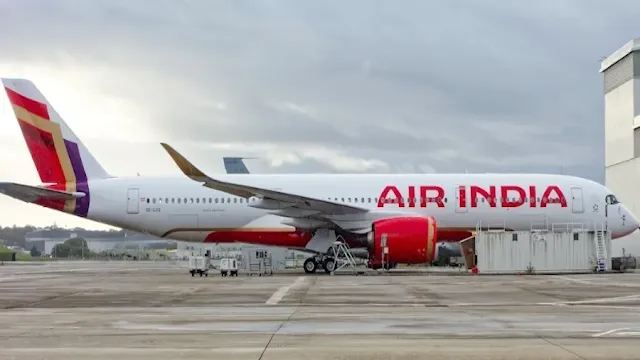
What Month Is Cheapest to Fly to India?
The cheapest months to fly to India are usually July, August, and September, with September often bringing a high volume of airfare deals. These months fall during India’s monsoon and late-summer low-demand period, when fewer leisure travelers book long-haul flights.
Good-value fares can also appear in March, April, and early October, especially if you are flexible with travel dates and can fly mid-week. The most expensive months are typically November through February, along with major festival periods such as Diwali, Christmas, New Year, and peak winter travel.
This guide explains the cheapest time to fly to India in 2026, when to book, which months to avoid, and how to use fare tools, flexible dates, and smart booking habits to reduce your ticket cost.
Table of Contents
| Never Use | Use Instead |
|---|---|
| Booking India flights only around Diwali, Christmas, or winter break | Check July, August, September, March, April, and early October for lower fares |
| Searching only weekend departures | Compare Tuesday and Wednesday departures and returns |
| Waiting until the final few weeks for long-haul tickets | Start tracking fares 2 to 4 months before travel |
| Checking only one airport or airline | Compare nearby airports, one-stop routes, and multiple airlines |
| Ignoring baggage and seat fees | Compare the total trip cost, not just the base fare |
Cheapest Months to Fly to India
The cheapest months to fly to India are generally July, August, and September. These months fall during the low-demand travel period for many international routes because India is hot, humid, and rainy in many regions. Lower leisure demand often pushes airlines to release more competitive fares.
September is especially useful for deal hunters because it often sits between the heavy summer travel period and the major festival and winter rush. If you can travel in September, start tracking fares early and compare flexible dates across the whole month.
Quick answer: For 2026, July, August, and September are usually the best months to find cheaper flights to India. March, April, and early October can also offer good value.
| Travel Period | Typical Fare Level | Why It Matters |
|---|---|---|
| July, August, September | Often cheapest | Monsoon and low-demand travel period can create better airfare deals |
| March and April | Good value | Shoulder-season timing before peak summer family travel |
| Early October | Good value if booked early | Can be cheaper before major festival demand builds |
| November to February | Usually expensive | Peak India travel season, winter holidays, weddings, and tourism demand |
| Diwali and Christmas/New Year | Often highest | Heavy family travel and limited seat availability |
India Travel Seasons and Airfare
India’s travel seasons have a direct impact on airfare. Airlines price tickets based on demand, seat availability, route competition, fuel costs, aircraft capacity, festivals, school holidays, and booking patterns.
Peak Season
Peak-season fares are common from November through February, especially around Christmas, New Year, wedding season, winter tourism, and major school breaks. Flights to Delhi, Mumbai, Bengaluru, Hyderabad, Chennai, Kochi, and Ahmedabad can become expensive when demand from families and tourists overlaps.
Monsoon and Summer Low Season
July, August, and September are often cheaper because monsoon weather reduces leisure demand. These months can still be practical for visiting family, business travel, medical trips, city stays, and travelers who do not mind rain or humidity.
Shoulder Season
March, April, and early October often offer a balance between cost and convenience. You may avoid some of the highest winter fares while still finding more manageable weather than peak summer or heavy monsoon weeks in many parts of India.
Seasonal tip: India is a large country, so weather varies by region. A month that is rainy in one city may still be workable for another itinerary. Compare both airfare and destination weather before booking.
Best Time to Book Flights to India
For long-haul flights to India, it is usually smart to begin tracking fares around 2 to 4 months before departure. For peak-season travel around Diwali, Christmas, New Year, or winter holidays, start even earlier because lower fare classes can sell out quickly.
A common sweet spot is around 8 to 16 weeks before departure, but there is no single guaranteed booking date. Prices change based on route, departure city, airline capacity, exchange rates, fuel costs, and how quickly seats sell.
Booking tip: If you see a fare that fits your budget for peak travel dates, do not wait too long. For holiday flights to India, “perfect fare” waiting can backfire when cheaper seats disappear.
| Trip Type | When to Start Looking | Booking Strategy |
|---|---|---|
| July to September low-season trip | 2 to 3 months ahead | Track fares and compare flexible dates |
| March or April trip | 2 to 4 months ahead | Watch for shoulder-season deals |
| Diwali travel | 4 to 6 months ahead | Book early if dates are fixed |
| Christmas or New Year travel | 4 to 6 months ahead | Avoid last-minute booking unless plans are flexible |
| Emergency or urgent travel | As soon as possible | Compare one-stop routes and nearby airports |
How to Find Cheap Flights to India
Finding cheap flights to India takes more than checking one airline website. The best fares often appear when you compare flexible dates, nearby airports, one-stop routes, and multiple booking tools.
- Search whole months. Use flexible-date tools to compare prices across July, August, September, March, April, and early October.
- Fly mid-week. Tuesday and Wednesday flights can be cheaper than Friday, Saturday, and Sunday departures.
- Compare nearby airports. Check alternate departure and arrival airports when practical.
- Consider one-stop flights. A well-timed one-stop route can be cheaper than nonstop service.
- Set price alerts. Track fare drops instead of manually searching every day.
- Check baggage rules. A cheaper ticket may cost more after baggage, seat, and change fees.
- Avoid peak festival dates. Flying a few days earlier or later can save a lot.
Use Flight Comparison Tools
Tools like Google Flights, Skyscanner, Kayak, and Expedia can help you compare routes, dates, prices, and airline combinations.
Compare Total Fare, Not Just Base Fare
Some low fares come with limited baggage, paid seat selection, strict change rules, or long layovers. Before booking, compare the total cost for your real trip, including checked bags, seat fees, meals, connection time, and refund flexibility.
Watch out: The cheapest ticket is not always the best value. A low fare with poor layovers, no baggage, and expensive changes can cost more in the end.
Months to Avoid for Expensive Flights
The most expensive time to fly to India is usually when demand spikes. That includes November through February, Diwali, Christmas, New Year, school holidays, wedding season, and major festival weeks.
Summer family travel can also push fares higher, especially around May and June when schools close in many countries and families travel to India for extended visits.
High-Fare Periods to Watch
- Diwali travel dates
- Christmas and New Year
- December and January winter break
- Peak wedding season
- May and June summer family travel
- Long weekends and school holidays
- Last-minute emergency travel periods
Best workaround: If you must travel during peak season, try flying before or after the busiest dates, choose mid-week flights, and book earlier than usual.
Cheap Flight Tools and Strategies
Airline pricing changes constantly. Airlines use dynamic pricing based on seat demand, booking pace, competition, fuel costs, events, and route capacity. That is why two people can see different fares for the same route on different days.
To improve your odds, use a mix of fare alerts, flexible-date searches, nearby airports, and total-cost comparisons.
| Strategy | How It Helps |
|---|---|
| Flexible dates | Shows cheaper days before and after your preferred date |
| Price alerts | Notifies you when fares drop |
| Nearby airports | Can reveal cheaper routes or better airline options |
| One-stop routes | Often cheaper than nonstop flights |
| Mid-week flights | May avoid weekend demand spikes |
| Early booking for holidays | Protects you from last-minute peak-season fare jumps |
Best Days to Fly
Tuesday and Wednesday flights are often worth checking first. They are not guaranteed to be cheapest every time, but mid-week travel usually faces less leisure demand than Friday-to-Sunday travel.
Best Airports to Compare
If you are flying from North America, Europe, the Gulf, Southeast Asia, or Australia, compare multiple arrival cities in India when possible. Delhi, Mumbai, Bengaluru, Hyderabad, Chennai, Kochi, Ahmedabad, and Kolkata can show different fares depending on airline competition and demand.
Related India Flight Guides
If you are planning a trip to India, these related guides can help you compare ticket costs, airline rules, baggage fees, seat selection, and airport benefits without leaving all the research to the last minute.
- Airline Seat Selection Fees
- India Airline Tickets Child Full Price
- IndiGo International Flights
- Families Seats Together On Plane
- Airline Ticket Taxes and Fees
- Which Airlines Allow 30kg Baggage to India?
For more travel planning help, see these useful guides before booking extras:
- Airline Tickets for Babies to India
- Airline Tricks: Cheap Tickets and Limited Baggage
- India Airline Miles for Free Flights
- Free Airport Lounge Access in India
- Which Airline Allows 2 Bags to India?
- Boarding a Flight in India
Frequently Asked Questions
What is the cheapest month to fly to India?
July, August, and September are usually among the cheapest months to fly to India because they fall during the monsoon and lower-demand travel period. September is often especially useful for finding deals.
Is February a cheap month to fly to India?
February can be cheaper than peak holiday months because demand often drops after New Year travel. However, in 2026, July, August, and September are also strong months to compare for lower fares.
Which days are cheapest to fly to India?
Tuesday and Wednesday flights are often cheaper than weekend flights, though prices vary by route and season. Use flexible-date search tools to compare nearby days before booking.
How far in advance should I book flights to India?
For normal travel, start tracking fares 2 to 4 months ahead. For Diwali, Christmas, New Year, or peak winter travel, begin 4 to 6 months ahead because cheaper seats can sell quickly.
When are flights to India most expensive?
Flights to India are usually most expensive from November through February, especially around Diwali, Christmas, New Year, school holidays, and wedding season.
Is it cheaper to fly to India during monsoon season?
Yes, monsoon-season travel can be cheaper because demand is lower. July, August, and September often bring better fares, but travelers should prepare for rain and possible weather-related delays.
Should I book nonstop or one-stop flights to India?
Nonstop flights are convenient but often cost more. One-stop flights can be cheaper, especially if you are flexible with layover city and travel time. Always compare baggage rules and connection length.
What is the best way to find cheap tickets to India?
Use flexible-date searches, set fare alerts, compare nearby airports, check mid-week departures, avoid peak holidays, and compare the total fare including baggage, seat selection, and change fees.


No comments:
Post a Comment